Leave Your Message
The global agricultural sector is undergoing a profound paradigm shift. Driven by population growth, climate variability, and labor shortages, modern farming is transitioning from traditional mechanical methods to advanced precision agriculture. At the heart of this transformation is the integration of heavy-duty, high-efficiency machinery. Tractors, combine harvesters, seeders, and sprayers must operate continuously under the harshest environmental conditions. To sustain these demanding operations, fluid power systems have emerged as the primary mechanism for heavy lifting, precise movement, and steering control.
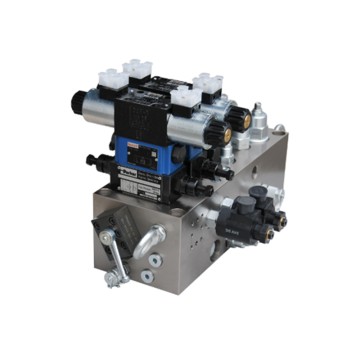
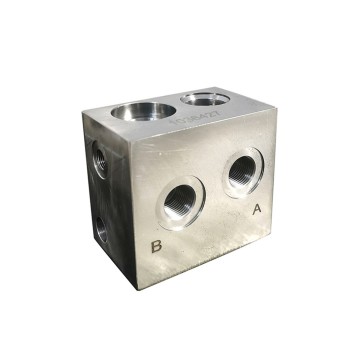
The hydraulic manifold block serves as the "central nervous system" of agricultural machinery. By integrating multiple valves into a single, compact block, it directs fluid flow, regulates system pressure, and controls the distribution of power to various actuators, cylinders, and motors.
From a commercial perspective, the demand for custom hydraulic manifold blocks for agricultural equipment has surged. Original Equipment Manufacturers (OEMs) are seeking ways to reduce machine footprint, minimize leak points, and optimize energy efficiency. The consolidation of hydraulic circuits into a single manifold block reduces the need for complex external piping, thereby lowering assembly costs, minimizing oil spills, and simplifying maintenance routines. Consequently, high-precision manufacturing of these components is no longer just a technical requirement—it is a critical commercial advantage for agricultural machinery brands aiming to improve reliability and lower the Total Cost of Ownership (TCO) for farmers.
Agricultural equipment is unique in its versatility. A single tractor may need to power a front loader, control a rear three-point hitch, steer the wheels, and supply hydraulic fluid to an attached planter. This requires multi-circuit control systems that only integrated manifold blocks can provide. Below are the primary application scenarios where custom hydraulic manifolds are indispensable:
Modern high-horsepower tractors utilize closed-center, load-sensing hydraulic systems. A centralized hydraulic manifold block manages the flow to the electro-hydraulic hitch control (EHC), allowing the operator to maintain precise depth control for ploughs and cultivators. The block integrates pressure compensators, solenoid valves, and relief valves to ensure that changes in soil resistance do not affect the operating speed of the implement, maintaining uniform soil penetration.
During harvest, combine harvesters must adapt dynamically to uneven terrain. Hydraulic manifold blocks regulate the header height control system, adjusting the cutter bar height in milliseconds to prevent ground collisions while maximizing crop yield. Additionally, manifolds control the reel speed, steering, and the folding mechanisms of the grain tank unloading auger, coordinating multiple operations from a single fluid power source.
Precision planting requires constant downforce on individual row units to ensure seeds are placed at the exact depth for optimal germination. Hydraulic manifold blocks distribute oil to individual row-unit cylinders, reacting to soil compaction variations in real-time. By incorporating proportional flow control valves, these blocks ensure that vacuum fan motors run at a constant speed, ensuring uniform seed singulation regardless of engine RPM fluctuations.
Large boom sprayers span up to 40 meters and must remain level with the crop canopy. Hydraulic manifolds control the boom leveling cylinders, damping oscillations caused by tractor movement. They also manage the folding and unfolding sequences of the boom, requiring precise sequencing valves embedded within the manifold block to prevent mechanical damage during setup.
Since its establishment in 2006, Qingdao Micro Precision Machinery Co., Ltd. has evolved into a premier global manufacturer of high-performance hydraulic systems, precision mechanical parts, and compact mechanical equipment (such as mini excavators and forklifts).
With a professional R&D team, advanced production methodologies, and rigorous quality assurance, we provide high-tier products and services to internationally acclaimed enterprises like Sandvik, Volvo Construction Equipment, and Kubota. Additionally, we offer high-quality customized product services and solutions for other customers worldwide with different needs.
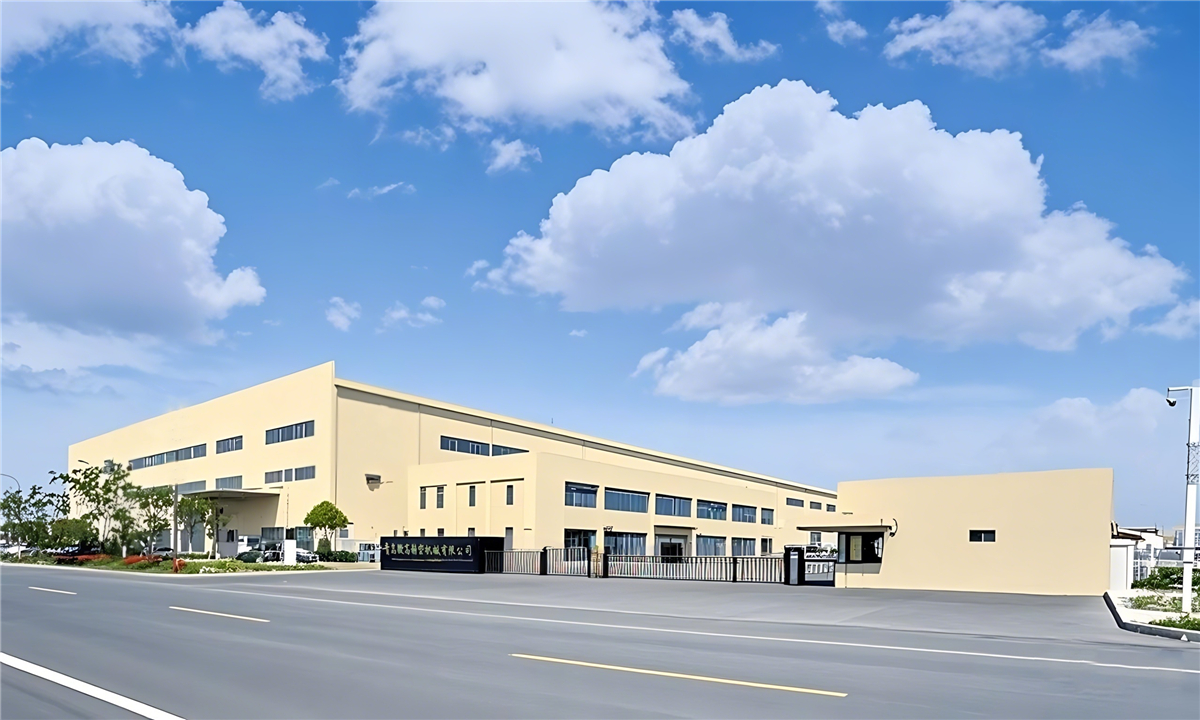

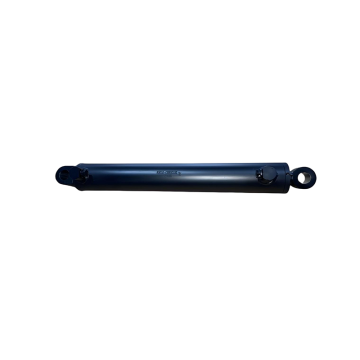
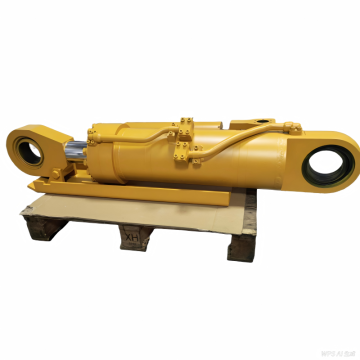
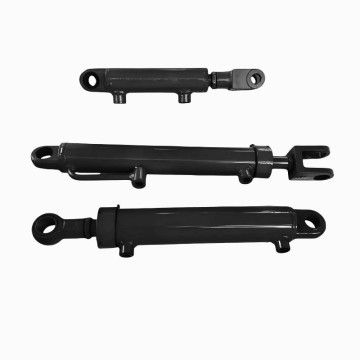
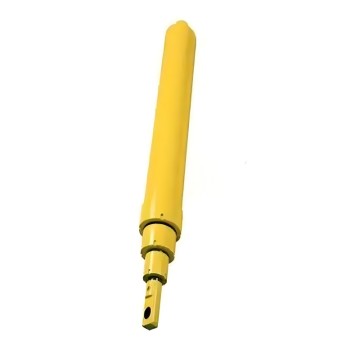
Our main products are hydraulic cylinders, hydraulic accessories, hydraulic valve blocks, machining parts, CNC machine tool accessories, small mechanical equipment (small excavators, forklifts, etc.), etc.
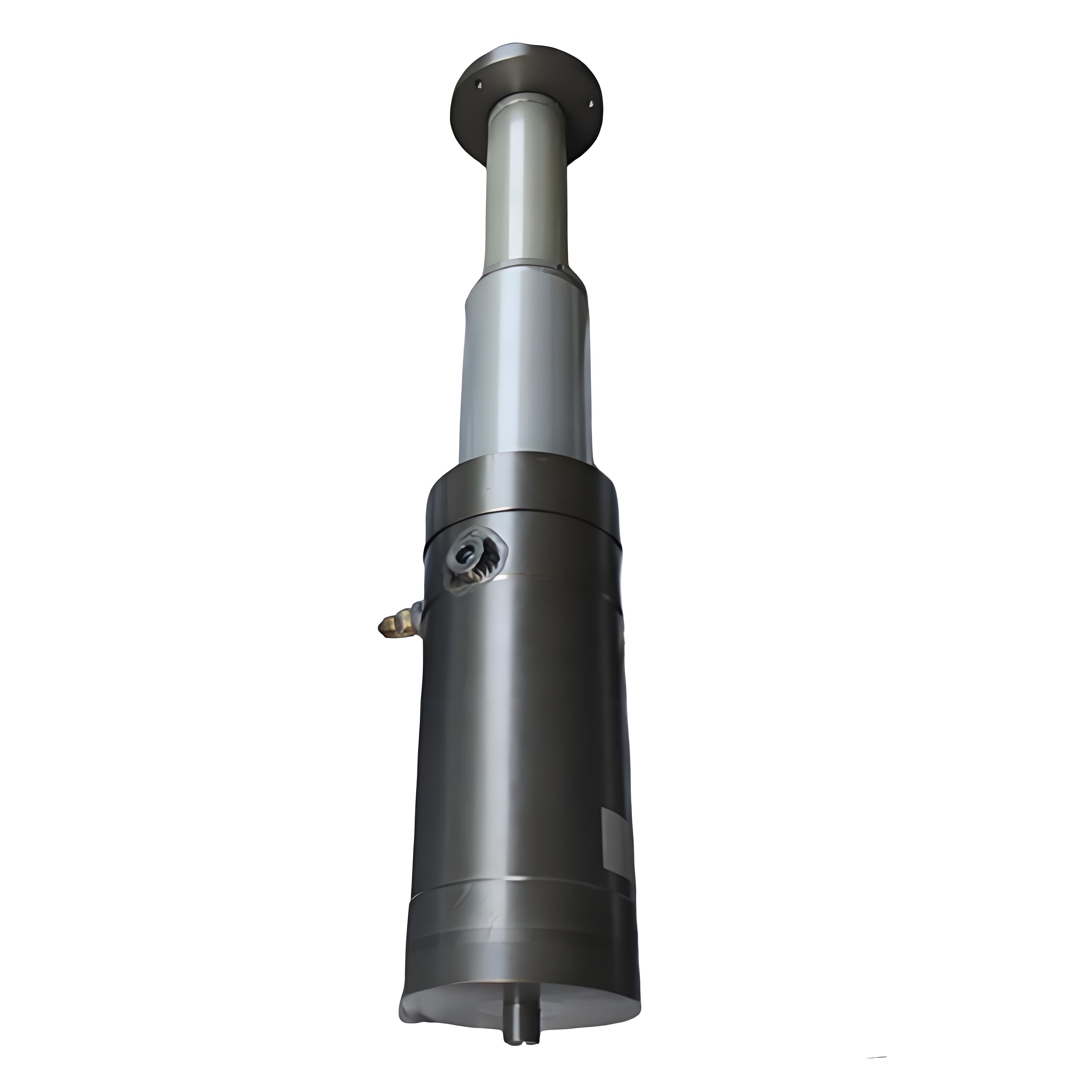
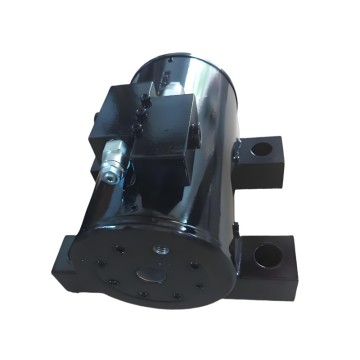
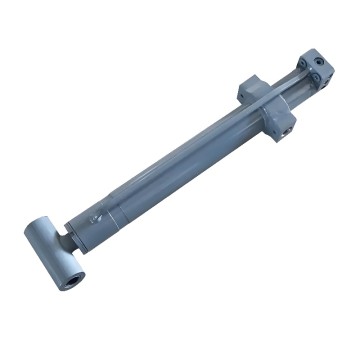
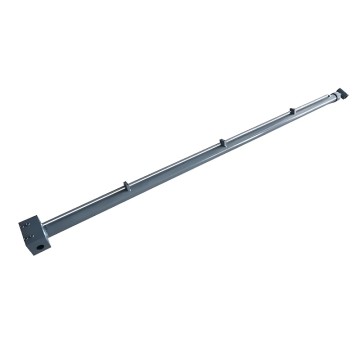
The agricultural machinery industry is moving rapidly toward automation, electrification, and connectivity. As tractors become autonomous and implements become smarter, hydraulic components must evolve in tandem. The future of hydraulic manifold blocks is defined by several key technological trends:
Traditional hydraulic systems relied on mechanical cables or pilot pressure to actuate valves. Modern farming machinery is transitioning to electro-hydraulic control. Solenoid-operated cartridge valves are integrated directly into the manifold block, allowing the tractor’s electronic control unit (ECU) to manage fluid power via CAN-bus commands. This integration facilitates automated operations such as GPS-guided auto-steering and variable-rate seeding.
While cast iron and ductile iron (such as GGG40 or GGG50) remain standard for high-pressure applications (up to 350 bar), there is a growing trend toward high-strength aluminum alloys (like 6061-T6 or 7075-T6) for low-to-medium pressure circuits. Aluminum manifolds significantly reduce the overall weight of the machinery, contributing to fuel savings and reducing soil compaction—a vital environmental consideration for modern farms.
Traditional manifolds are manufactured by drilling intersecting cross-holes into a solid metal block, which can create sharp bends and stagnant fluid zones, leading to pressure losses. Additive manufacturing (3D metal printing) allows engineers to design curved, organic internal channels that optimize flow dynamics. This reduces turbulence, lowers heat generation, and improves the overall energy efficiency of the tractor’s hydraulic system.
Established with a commitment to "Precision Manufacturing, Reliable Quality," we specialized in hydraulic cylinders and machined components. Our superior craftsmanship, rapid prototyping, and customer-focused approach earned us initial market recognition.
• Advanced CNC automation introducing - Boosted production efficiency and accuracy
• Expanded product range - Added hydraulic valve blocks and specialized attachments
• Trusted supplier - Provided hydraulic solutions for leading Chinese manufacturers
• Toyota collaboration - Developed specialized tooling for brake pad brackets
• International recognition - Built long-term relationships with European/Asian clients
• Premium quality assurance - Implemented imported high-precision inspection systems
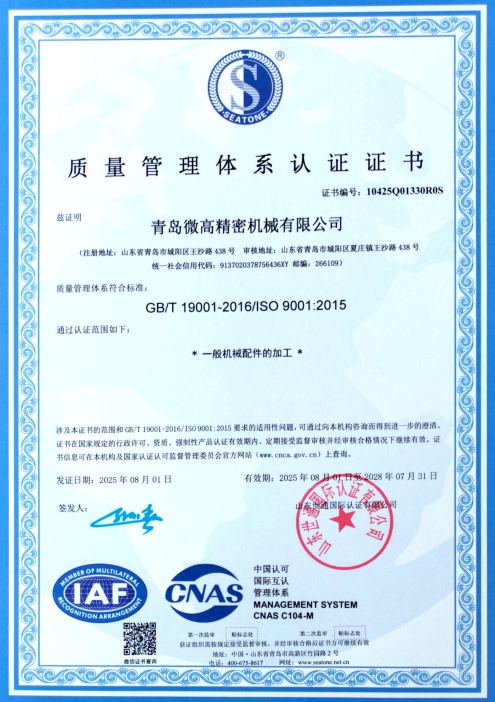
• ISO 9001:2015 certified - Validated world-class quality standards
• Market-leading product - Our proprietary buffer hydraulic cylinders won global acclaim
• National High-Tech Enterprise - Recognized leader in hydraulic innovation
• Global reach - Strategic partnerships across 35+ countries
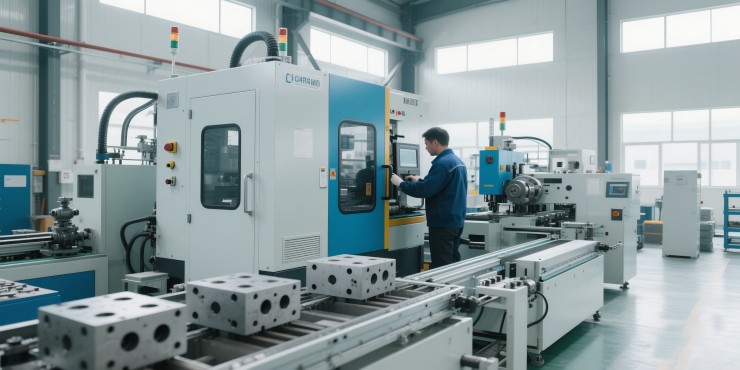
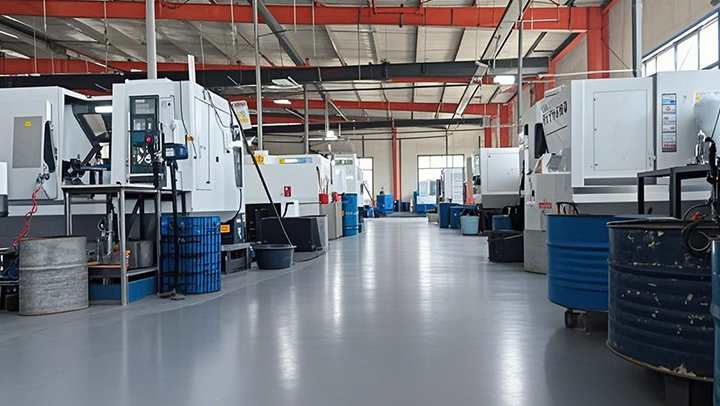
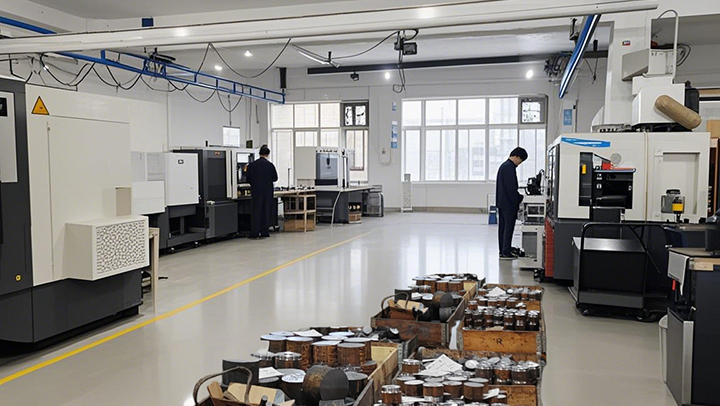
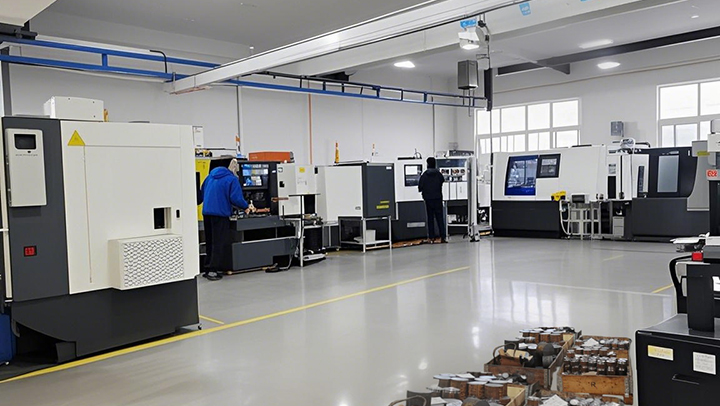
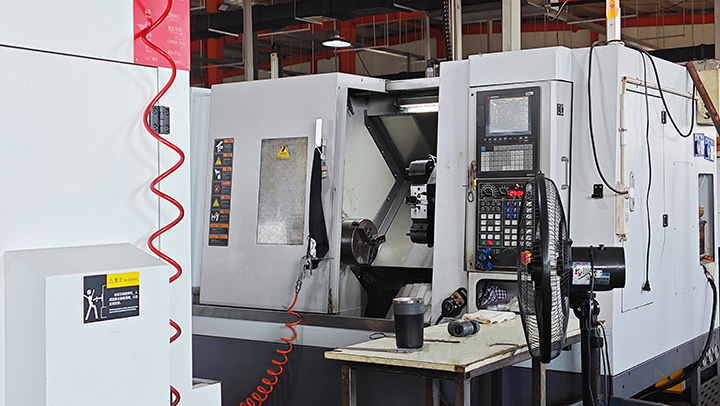
Manufacturing hydraulic manifold blocks for agricultural and farming equipment requires strict adherence to engineering standards. The harsh conditions of agricultural work—dust, moisture, fertilizer chemicals, extreme heat, and severe vibration—demand components that are robust and precision-engineered.
At Qingdao Micro Precision Machinery Co., Ltd., we utilize advanced multi-axis CNC machining centers to drill internal oil passages. Precision control of bore tolerances is critical for cartridge valves to seat properly. Any misalignment or deviation in bore diameter can lead to internal leakage, pressure drops, or valve sticking, which could disable a tractor in the field during critical harvest windows.
One of the most critical steps in manifold manufacturing is deburring. Tiny metal burrs left behind by drilling can detach under high hydraulic pressure and migrate through the system, damaging sensitive solenoid valves or hydraulic pumps. We employ specialized thermal energy deburring and high-pressure washing systems to guarantee that every manifold block is 100% clean internally before assembly.
To resist corrosion from fertilizer exposure, mud, and weather, our manifold blocks undergo advanced surface treatments. Aluminum blocks are typically anodized, which increases surface hardness and provides excellent corrosion resistance. Steel and ductile iron manifolds are treated with black oxide, zinc plating, or chemical nickel plating, ensuring long-term durability in the field.

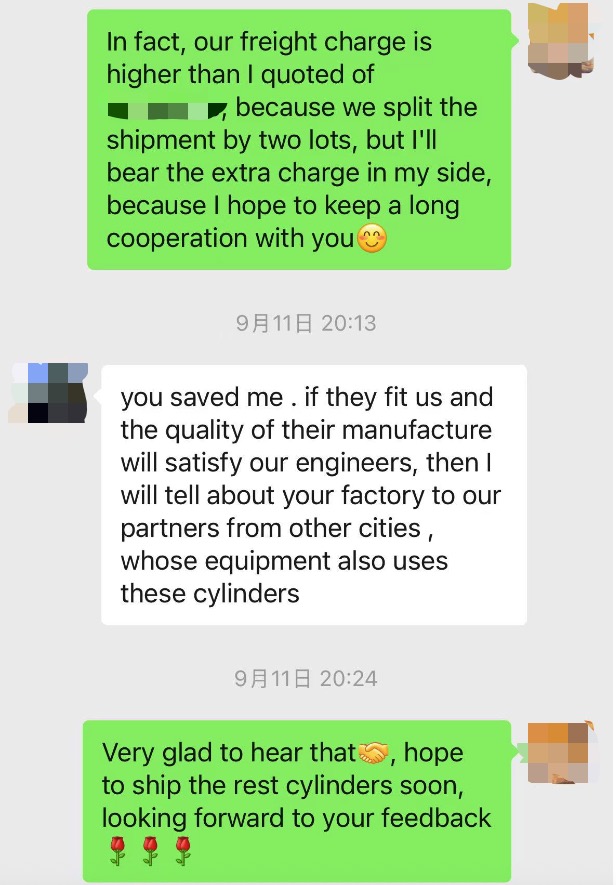

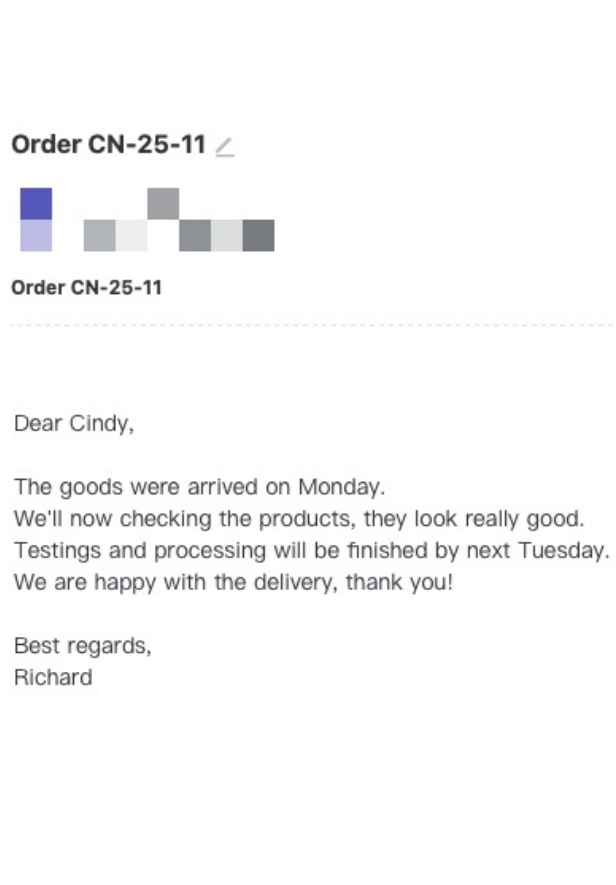

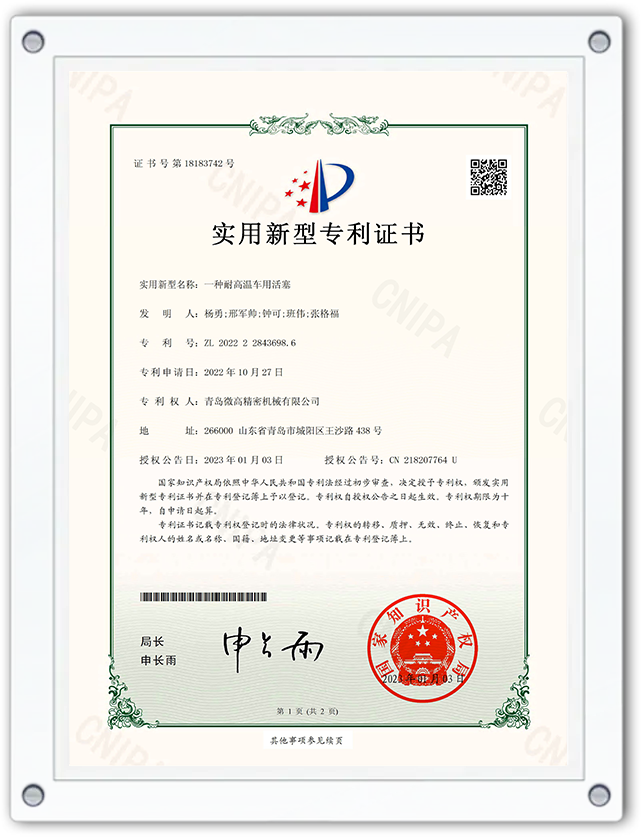
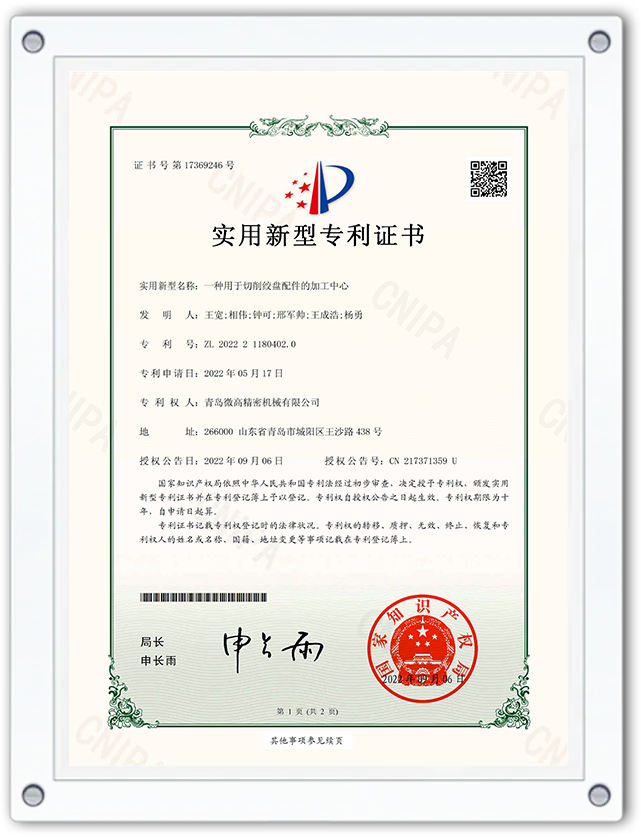
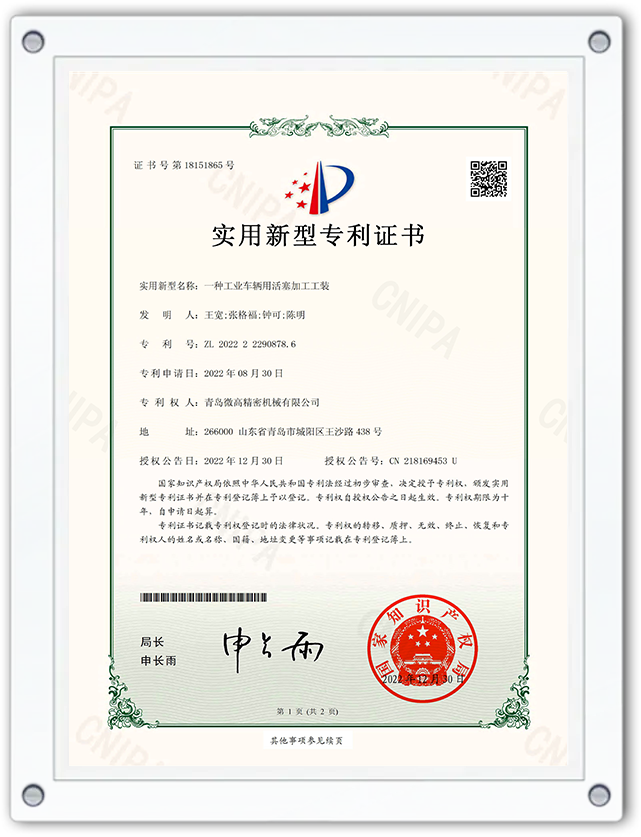
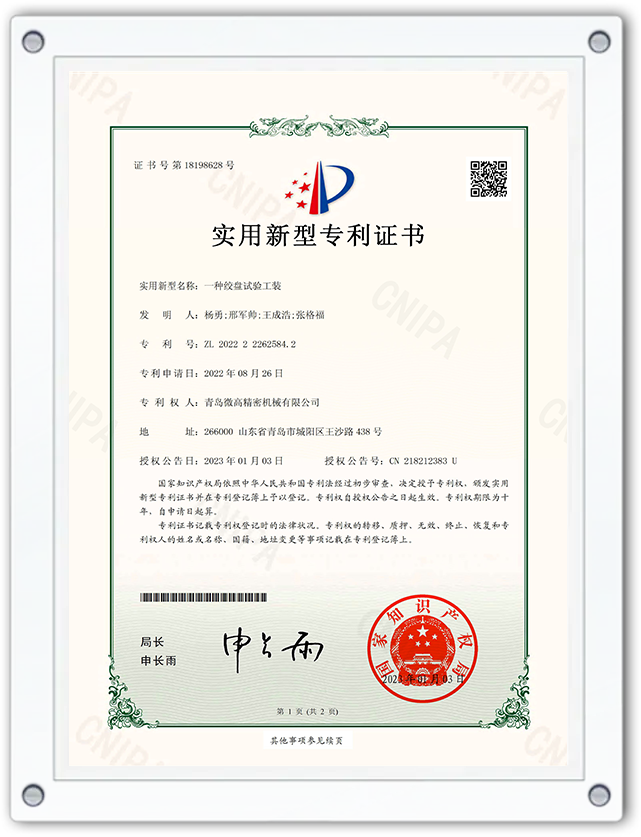
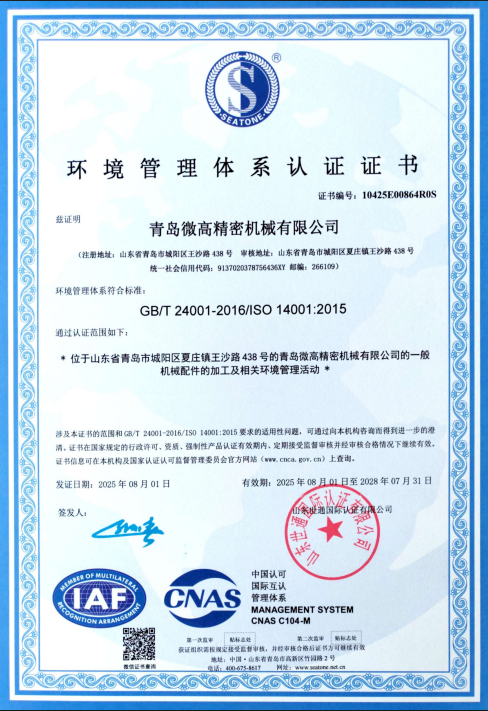
We aspire to utilize China's intelligent manufacturing as the foundation, consistently offering dependable quality products, premium services, improve more comprehensive production equipment. We endeavor to provide global customers with a full spectrum of reliable mechanical solutions, ensuring efficient, precise, and sustainable development.
Contact Us