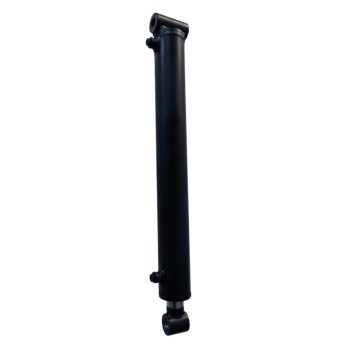
Leave Your Message
Engineered to deliver high power density, superior burst-pressure margins, and micro-inching positioning control in constrained aerial access platform architectures.
A comprehensive examination of engineering challenges, micro-positioning tribology, electrification shifts, and strict safety standard compliance across MEWP and access platform verticals.
Small piston geometries require specialized low-friction step-seals and micro-honed surfaces to eliminate stick-slip phenomena during fractional-millimeter platform height adjustments.
High-yield alloy steel rods (such as 42CrMo4) coupled with finite element analyzed piston cross-sections guarantee structural rigidity under non-axial and lateral wind moment loads.
As battery-powered mobile elevating work platforms dominate urban low-emission jobsites, hydraulic actuators must operate with ultra-low internal leakage and minimum viscous drag.
Mobile Elevating Work Platforms (MEWPs), encompassing self-propelled scissor lifts, articulating boom lifts, vertical mast lifts, and spider tracked access units, represent an essential cornerstone of contemporary urban infrastructure, industrial warehouse warehousing, interior maintenance, and building refurbishment. As commercial architects embrace multi-tier interiors and complex structural architectures, standard access machinery faces intense spatial restrictions. Equipment must pass through standard single doorways, navigate tight warehouse aisles, and operate without exceeding floor load ratings in commercial buildings.
This dynamic has propelled unprecedented demand for small-bore, high-pressure hydraulic cylinders and compact piston assemblies. In these compact machines, every cubic millimeter of chassis real estate is contested by lithium-ion battery packs, integrated drive units, steering linkages, and electronic control modules. Hydraulic actuators responsible for mast extension, outrigger stabilization, platform basket leveling, and steering mechanisms must deliver immense force within ultra-condensed form factors. Consequently, small piston engineering has shifted from standard commoditized hydraulic cylinder design to high-precision, bespoke componentry where metallurgical integrity and seal tribology dictate equipment safety and reliability.
Global regulatory frameworks—notably ANSI/SAIA A92.20 in North America, EN 280 in the European Union, and AS/NZS 1418.10 in Australasia—have placed strict requirements on chassis tilt margins, overload sensing accuracy, and descent velocity control. The piston assembly within small hydraulic cylinders acts as the primary dynamic barrier separating pressurized fluid chambers; its performance directly impacts the reliability of safety valves, counterbalance cartridges, and load-holding lock mechanisms.
Unlike massive excavator or mining cylinders where volumetric displacement is expansive, small hydraulic cylinder pistons operate with tiny oil volumes. In a cylinder with a 32 mm bore and a 200 mm stroke, an almost imperceptible internal bypass of hydraulic fluid past the piston head can cause catastrophic platform creeping or tilt instability while aerial operators are elevated 15 meters above ground level. This fundamental operational hazard makes small piston engineering one of the most demanding sub-disciplines in fluid power engineering.
To overcome these hazards, modern manufacturing implements multi-stage CNC manufacturing processes. Piston blanks are precision machined from ductile cast iron (such as QT500-7) or high-grade aeronautical aluminum alloys, delivering optimal thermal expansion compatibility with honed cold-drawn seamless steel tubes (St52-3 / E355). Piston heads are equipped with specialized low-friction composite guide rings (bronze-filled PTFE or woven fabric reinforced phenolic resins) that mitigate metal-to-metal contact, damp out lateral eccentric moments, and resist cylinder barrel galling under side-load stresses.
Furthermore, stick-slip phenomena represent a major human-safety issue during platform height positioning. When an operator attempts to elevate an inspection basket by a mere 5 millimeters, high static friction coefficients in conventional elastomeric seals cause jerky, erratic movement. We resolve this by integrating modern step-cut PTFE seal rings energized by nitrile or fluoroelastomer O-rings, providing linear dynamic friction curves and ultra-smooth positioning responsiveness down to fractional-millimeter resolution.
The practical application of small hydraulic cylinder pistons across mobile access platforms goes far beyond basic main scissor raising. Their unique value lies in safety-critical ancillary functions that require uncompromising mechanical fidelity:
A. Spider Boom Stabilization & Outrigger Leveling: Tracked spider lifts must navigate uneven outdoor terrain, climb concrete staircases, and level themselves on muddy slopes. Outrigger leveling cylinders feature small-bore cylinders equipped with integrated pilot-operated check valves (PO check valves) screwed directly into the cylinder body. The small piston must hold static hydraulic lock under multi-ton downward forces without a fraction of an inch of drift for hours of continuous work.
B. Platform Basket Auto-Leveling Systems: As articulating booms extend and slew, the aerial operator basket must remain level with the ground within ±1.5 degrees. Miniature hydraulic master-slave cylinders or dual-acting leveling cylinders constantly micro-adjust the basket angle. The piston must react instantaneously to servo-valve modulated fluid pulses without lagging or oscillating.
C. Pothole Protection & Dynamic Mechanical Latches: Electric scissor lifts feature fold-down pothole protection skirts that drop down when elevated to prevent vehicle turnover if a wheel falls into an unexpected floor opening. Small actuators extend these guard linkages whenever the lift switch is engaged, demanding absolute functional repeatability through tens of thousands of cycles.
D. Jib Articulation & Telescopic Fly-Jib Extension: Telescopic fly-jibs give aerial workers three-dimensional reach around overhead pipelines and roof parapets. Miniature luffing cylinders equipped with custom small pistons provide precise upward and downward angular reach in tight physical clear zones.
The aerial work platform sector is undergoing fundamental transformation driven by carbon-neutral construction mandates and smart IoT connected jobsites. These industry shifts are driving several key engineering innovations in small hydraulic cylinder design:
Integration of Linear Transducers within the Piston Rod: Modern mobile elevating machines utilize intelligent control computers to prevent platform tipping through load-moment limiting (LML) algorithms. Hydraulic cylinders are increasingly specified with contactless magnetostrictive or Hall-effect position sensors installed inside hollow-bored piston rods. This setup allows the cylinder to feed real-time stroke position data back to the machine controller with sub-millimeter precision, eliminating the need for fragile external pull-wire encoders that get damaged on construction sites.
Electro-Hydraulic Actuation (EHA) Paradigms: In next-generation electric access platforms, centralized hydraulic tanks and long routing hoses are being phased out in favor of decentralized self-contained electro-hydraulic actuators. In these sealed systems, a high-efficiency brushless DC motor, miniature bi-directional gear pump, and compact small-piston hydraulic cylinder form an integrated, plug-and-play assembly. This architecture eliminates hydraulic leakage risks in pristine commercial facilities like data centers, airports, and cleanrooms while cutting energy consumption by over 45% compared to continuous idle open-loop hydraulics.
Environmentally Acceptable Lubricants (EAL) Compatibility: Urban construction regulations increasingly require the use of biodegradable synthetic esters or polyglycol hydraulic fluids. Small cylinder pistons and sealing packages are carefully formulated to resist chemical degradation, fluid softening, and embrittlement, ensuring reliable operational longevity across thousands of hours of field operation.
Since its establishment in 2006, Qingdao Micro Precision Machinery Co., Ltd. has evolved into a premier global manufacturer of high-performance hydraulic systems, precision mechanical parts, and compact mechanical equipment (such as mini excavators and forklifts).
With a professional R&D team, advanced production methodologies, and rigorous quality assurance, we provide high-tier products and services to internationally acclaimed enterprises like Sandvik, Volvo Construction Equipment, and Kubota. Additionally, we offer high-quality customized product services and solutions for other customers worldwide with different needs.
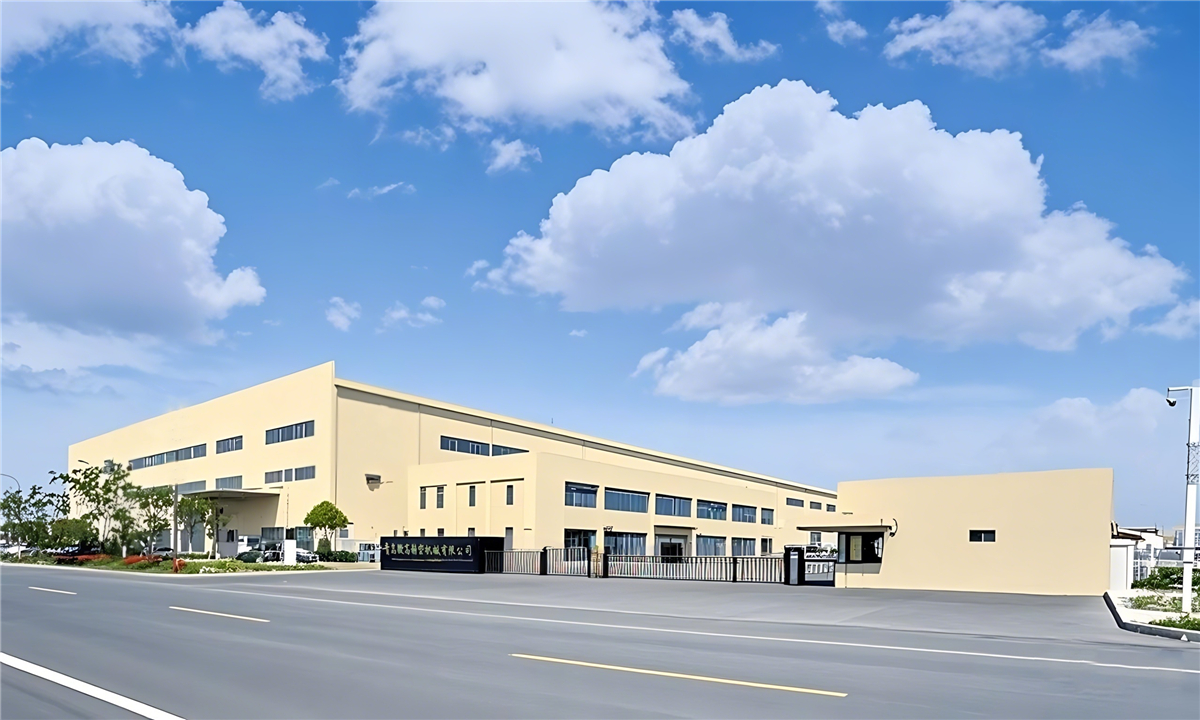

Our main products are hydraulic cylinders, hydraulic accessories, hydraulic valve blocks, machining parts, CNC machine tool accessories, and small mechanical equipment engineered to deliver peak performance under demanding duty cycles.
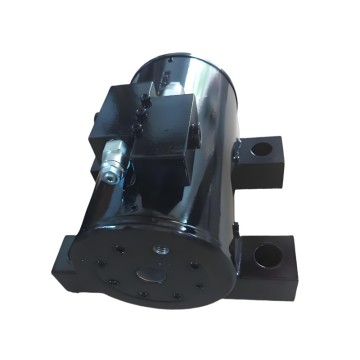
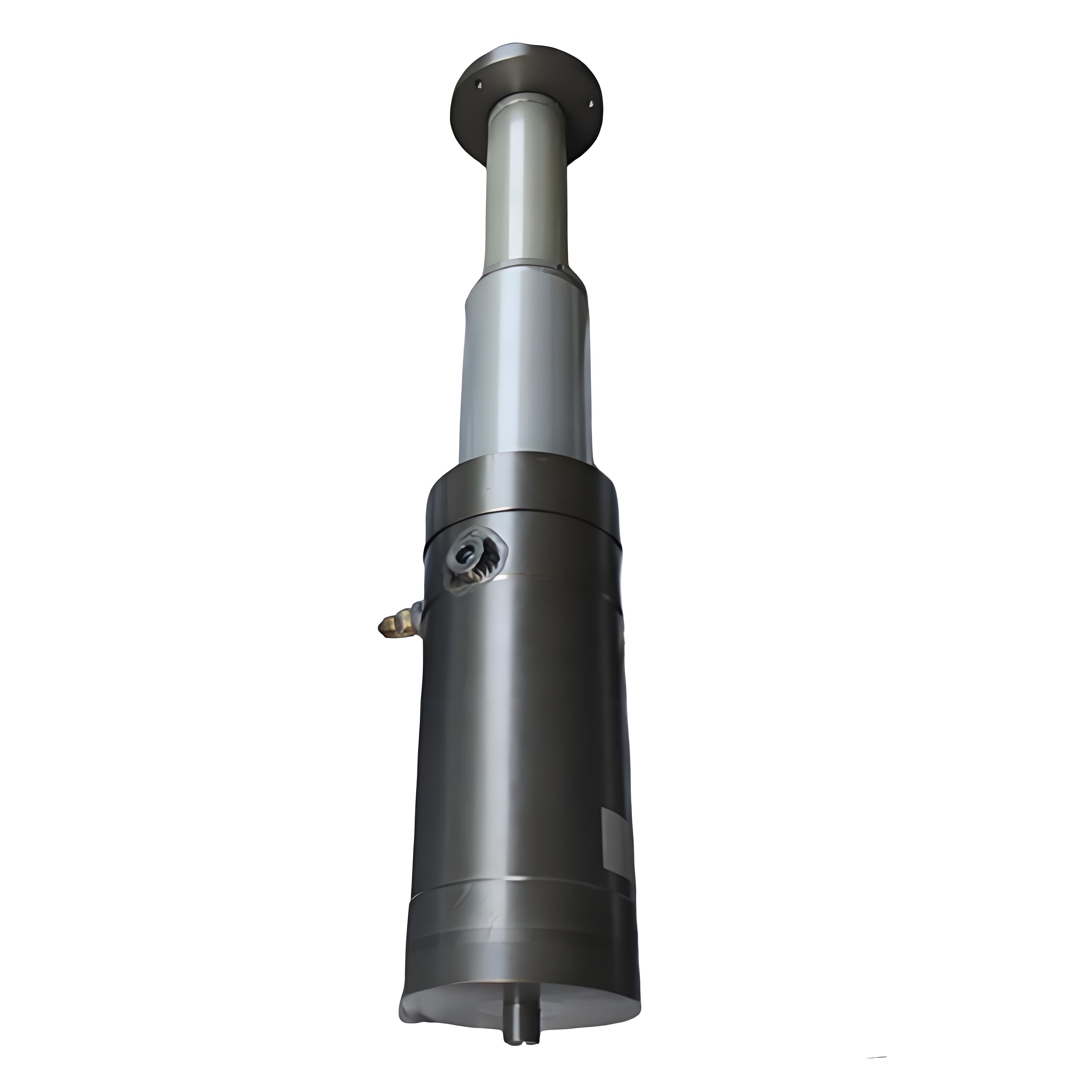
Rotary Actuator HCR801
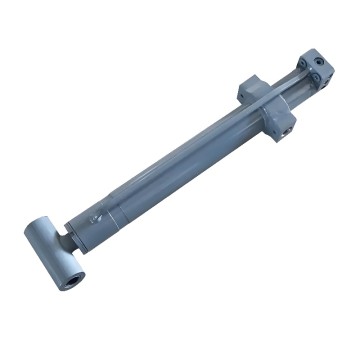
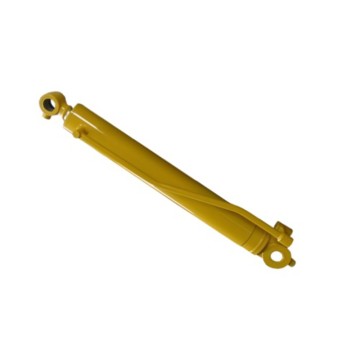
Luffing Cylinder HCL604
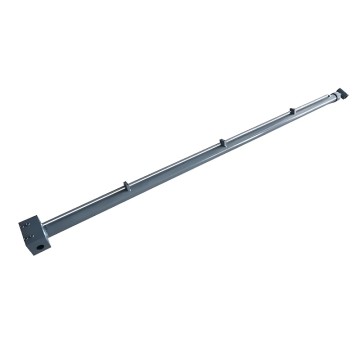
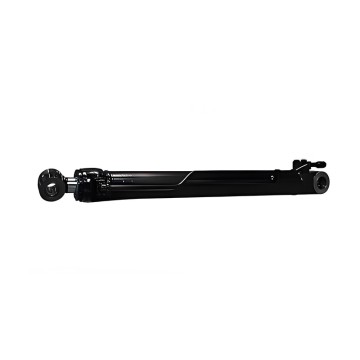
Telescopic Cylinder HCT403
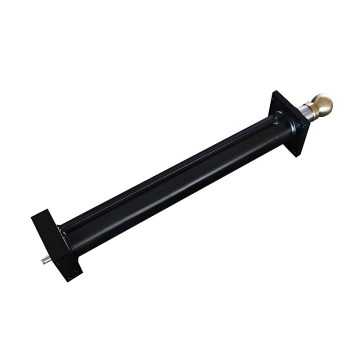
Outrigger Cylinder HCO701
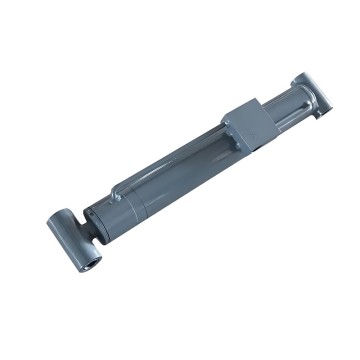
Leveling Cylinder HCL603
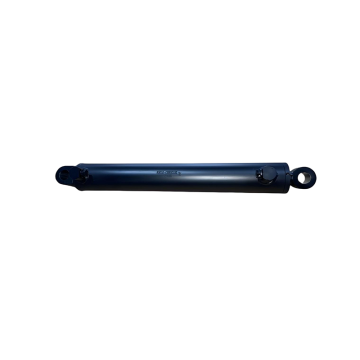
Sanitation Vehicle Locking Cylinder
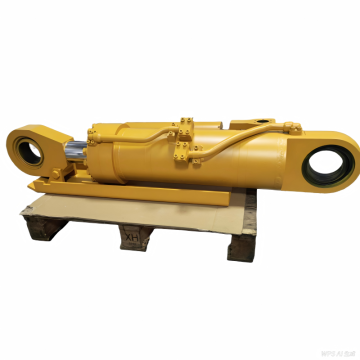
Underground LHD Loader Tilt Cylinder
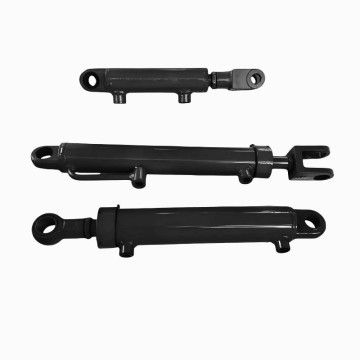
Garbage Truck Lifting Cylinder
Continuous investment in automated production, specialized testing equipment, and international OEM partnerships since 2006.
Established with a commitment to "Precision Manufacturing, Reliable Quality," we specialized in hydraulic cylinders and machined components. Our superior craftsmanship, rapid prototyping, and customer-focused approach earned us initial market recognition.
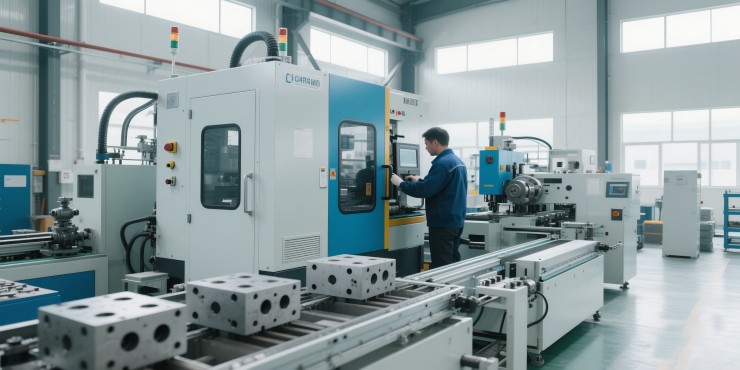
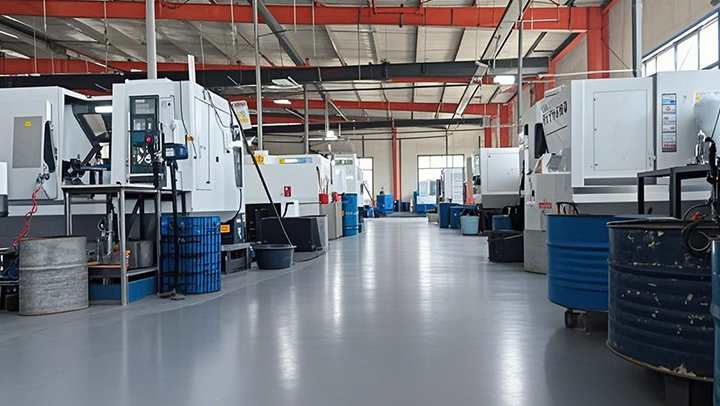
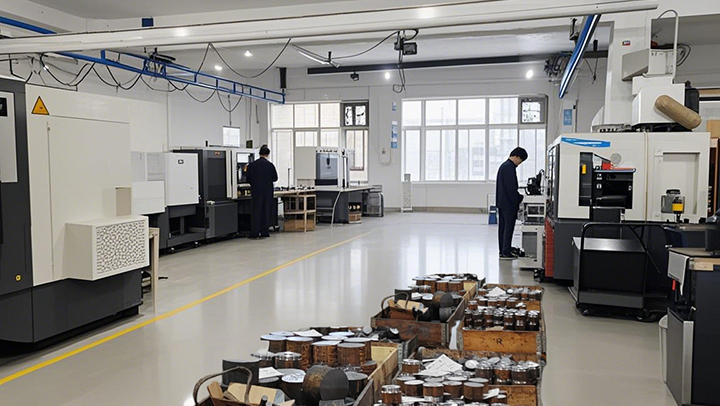
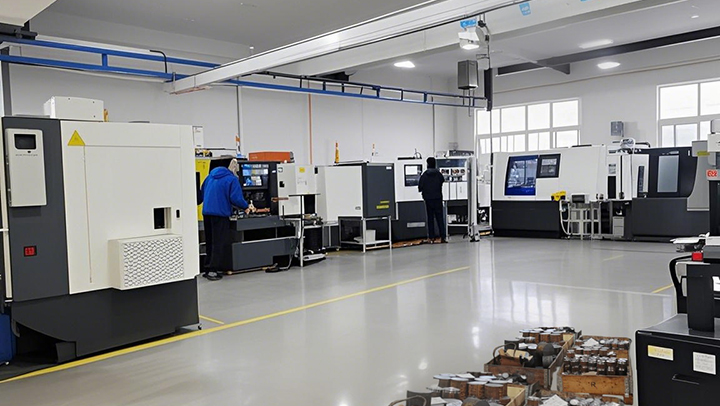
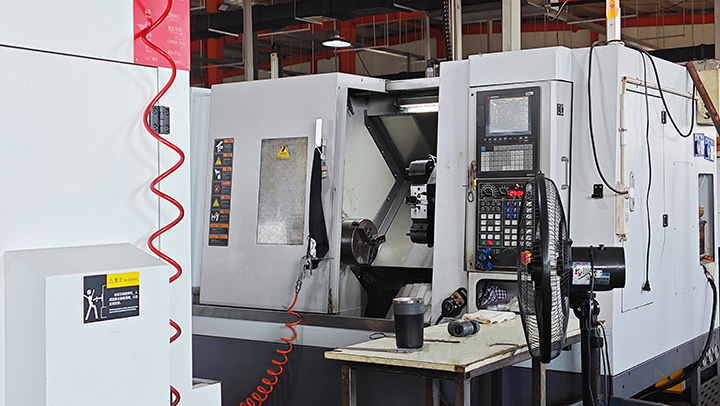
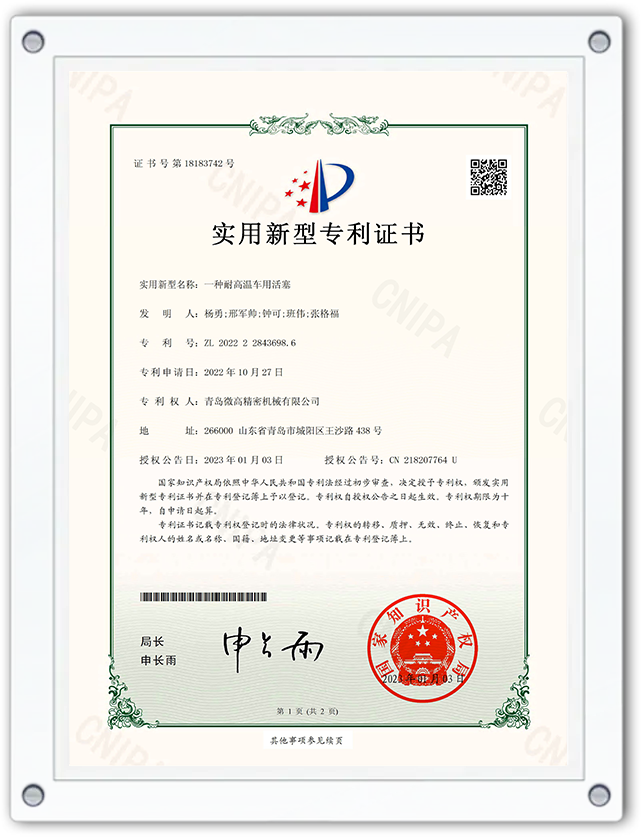
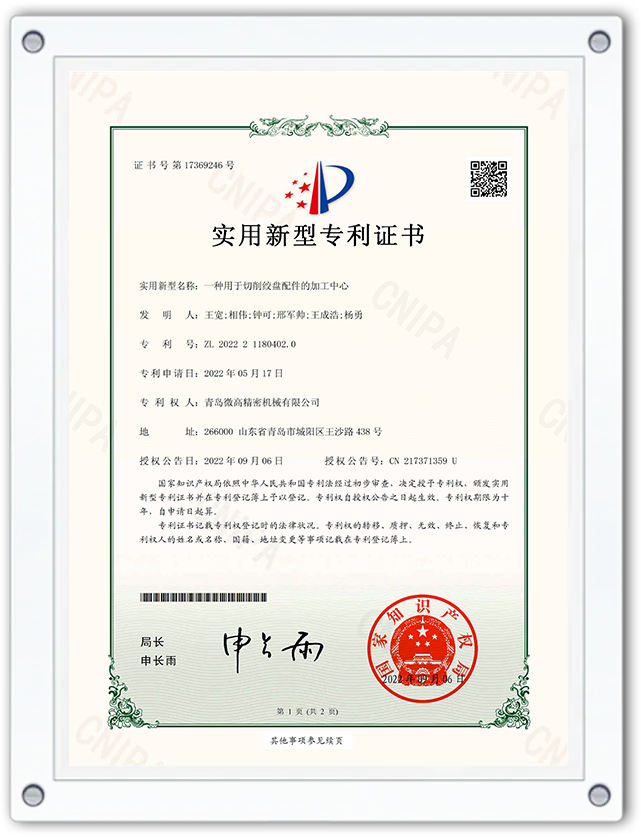
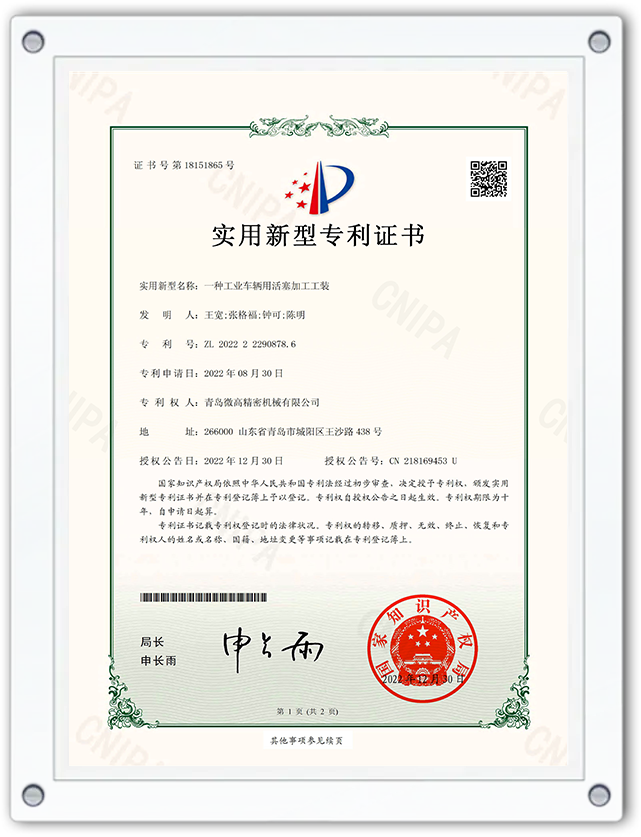
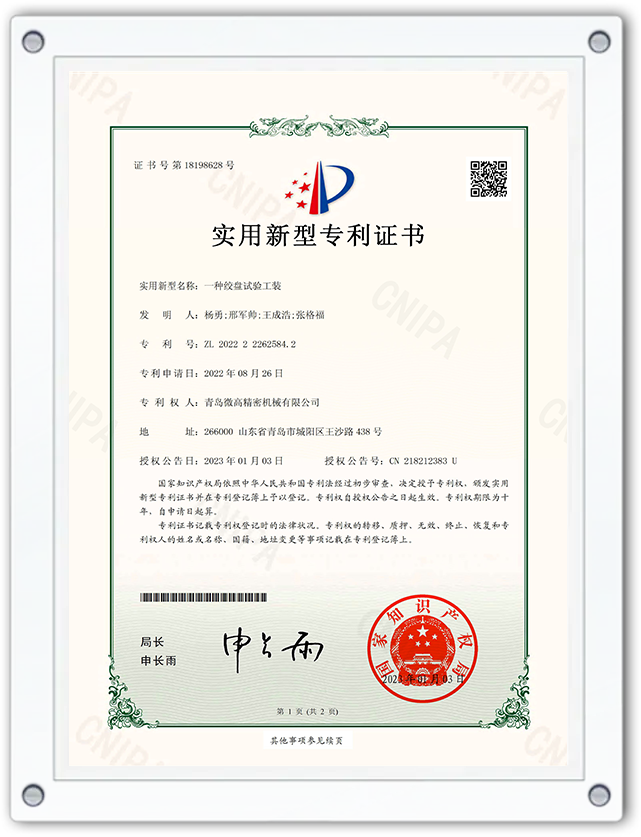
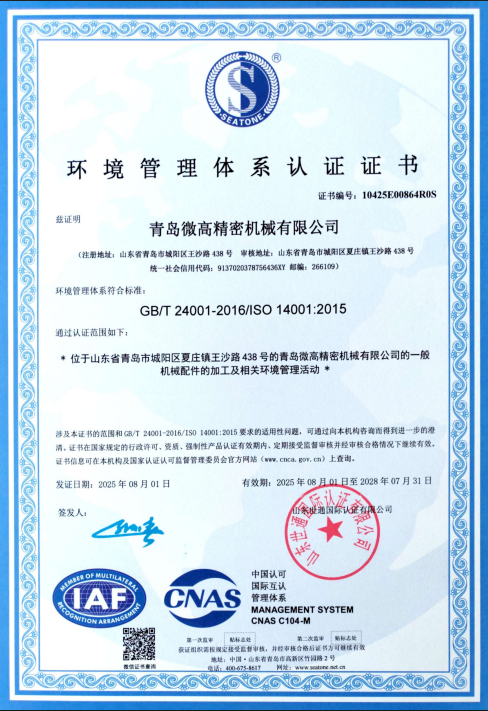
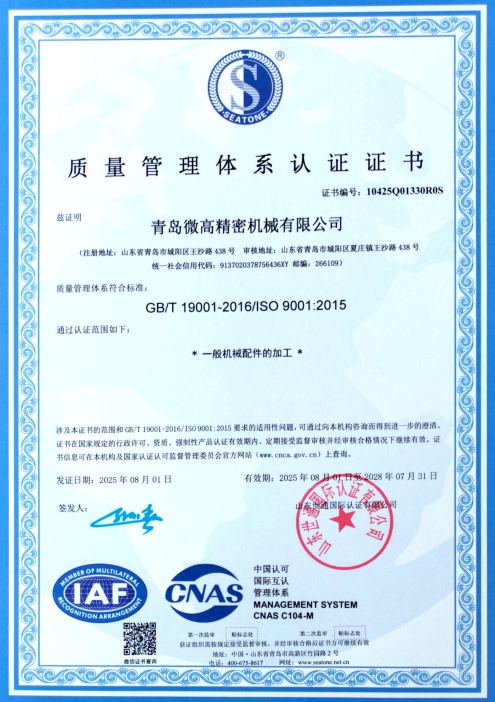
Stringently verified by global tier-one OEMs and global safety compliance bodies.



Certified according to international quality management and precision fabrication standards.
Explore our complete catalog of precision-engineered telescopic cylinders, stick actuators, luffing units, and specialized mobile equipment cylinders.