Leave Your Message
High-end mounting components and actuators designed to withstand axial shear forces, extreme hydraulic pressures up to 700 bar, and harsh subterranean conditions.
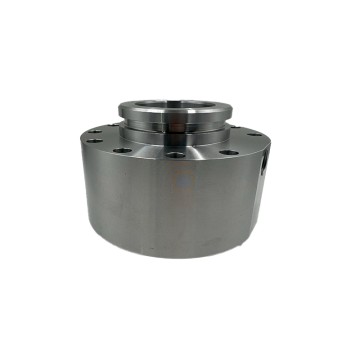
In mega-infrastructure projects—such as suspension bridge erection, subway tunnel boring, deep caisson underpinning, and hydraulic dam floodgate actuation—hydraulic cylinders are subjected to monumental multi-axis stresses. A hydraulic cylinder flange serves as the fundamental mechanical interface that anchors the actuator rigidly to the heavy machine chassis or civil superstructure.
Unlike pin-eye or clevis mounts that facilitate rotational articulation, rigid flange mounts (including head rectangular flanges, cap circular flanges, and intermediate forged flanges) eliminate angular play, transferring massive thrust and tensile shockwaves directly into reinforced steel and concrete load-bearing frameworks.
High-integrity forging and CNC micron-tolerance face machining prevent micro-deflection under cyclic impulse loads, guaranteeing continuous hydraulic seal concentricity and eliminating premature cylinder rod buckling.
Micro Precision Machinery (MPM) engineers high-performance cylinder flanges engineered from certified structural alloy forgings (such as 42CrMo4, AISI 4140, and high-yield carbon steels). By utilizing finite element analysis (FEA) to eliminate stress concentration notches around bolt circle patterns, MPM flanges deliver superior fatigue life in 24/7 geotechnical and civil construction environments.
In high-tonnage jacking operations exceeding 1,000 metric tons, flange interfaces must absorb asymmetric bending moments caused by subsoil shifts. MPM flange geometries redistribute thrust vectors across high-tensile Grade 10.9 and 12.9 bolt arrays, safeguarding the cylinder barrel from ovalization.
Infused with specialized electroless nickel plating, thermal diffusion, and marine-grade epoxy coatings, MPM cylinder flanges withstand saline groundwater, abrasive fly ash slurry, and tunneling humidity without pitting or interfacial corrosion.
Choosing the correct cylinder flange geometry is paramount for optimizing compressive load vectors, servicing convenience, and structural stiffness across civil equipment.
Ideal for pull-stroke and tensile-dominant configurations in bridge strand jacking and crane boom telescoping. When pressurized, the front flange bears directly against machine mounting plates, placing the flange attachment bolts under pure compression rather than shear.
Engineered for high-tonnage push-stroke applications including tunnel boring machine (TBM) thrust systems, concrete extrusion pumps, and deep piling rigs. Cap flanges transfer peak axial pushing power directly against the structural backing plate without bolt tensile fatigue.
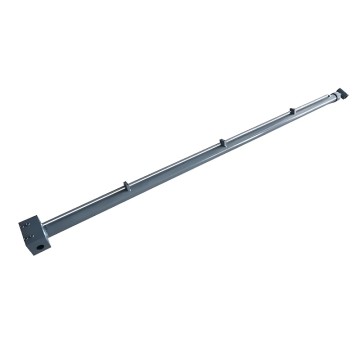
Designed for extra-long stroke cylinders in hydraulic mining excavators and heavy crawler cranes. Positioned along the cylinder barrel body, it minimizes effective column length, dramatically improving resistance against mechanical buckling and vibration resonance.
| Parameter | Civil Infrastructure Specification | Industrial Mining & TBM Grade | Standards Compliance |
|---|---|---|---|
| Nominal Operating Pressure | 25 MPa - 35 MPa (250 - 350 bar) | 40 MPa - 70 MPa (400 - 700 bar) | ISO 6020-2 / ISO 6022 |
| Forged Material Base | 42CrMo4 / AISI 4140 Quenched & Tempered | High-Nickel Cr-Ni-Mo Forged Steel | ASTM A29 / EN 10083 |
| Machining Concentricity | ≤ 0.025 mm | ≤ 0.012 mm | DIN ISO 2768-mK |
| Flange Bolt Grade Compatibility | Class 10.9 High-Tensile | Class 12.9 Aircraft-Grade / Socket Head | ISO 898-1 |
| Surface Hardness & Protection | Q+T to 280-320 HBW + Marine Zinc-Nickel | Surface Induction Hardened + Nitride Sealed | ISO 9227 Salt Spray > 1000h |
From subterranean excavation shields to high-altitude platform safety, MPM precision hydraulic cylinder flanges and components power world-class infrastructure equipment.
TBM shield systems employ arrays of 16 to 32 thrust cylinders connected via heavy-duty cap flanges to push the cutting wheel against bedrock while building segmented concrete tunnel liners. The flanges must endure severe continuous vibrations and resist high thrust loads under subterranean humidity and slurry exposure.
During modular steel bridge segment lifting, pre-stressed cable strand jacks rely on precision-machined front hydraulic flanges to anchor multiple hydraulic cylinders. Flange parallelism ensures zero eccentric loading, preventing cable fatigue and ensuring synchronized millimeter-level elevation control.
Hydroelectric spillway radial gates utilize massive long-stroke hydraulic cylinders anchored via forged steel mounting flanges. These flanges must guarantee continuous sealing integrity, withstand immense hydrostatic head pressure, and operate flawlessly in underwater and humid environments for decades without failure.
Mobile cranes and aerial boom lifts depend on heavy outrigger cylinders fitted with MPM flanges and spherical bearings. The flange interfaces ground the entire multi-ton vehicle payload onto stabilizing outrigger pads, ensuring fail-safe balance on uneven construction terrain.
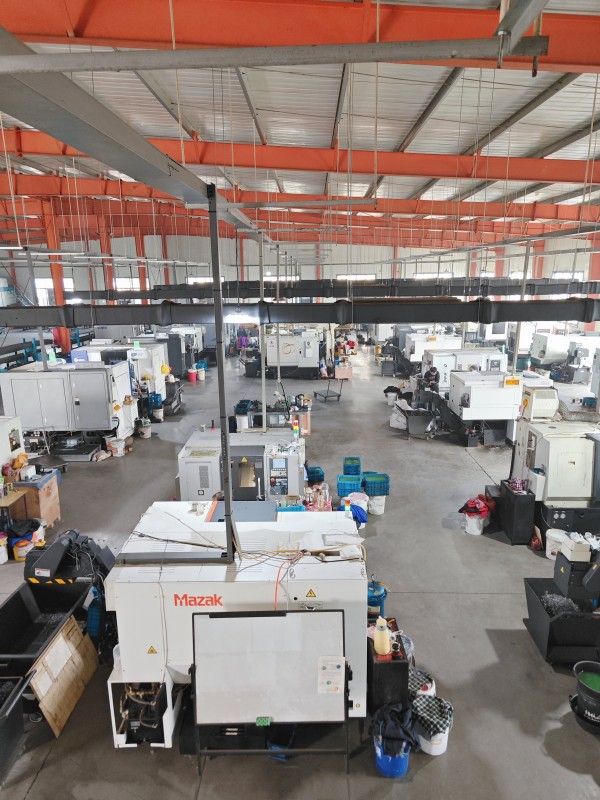
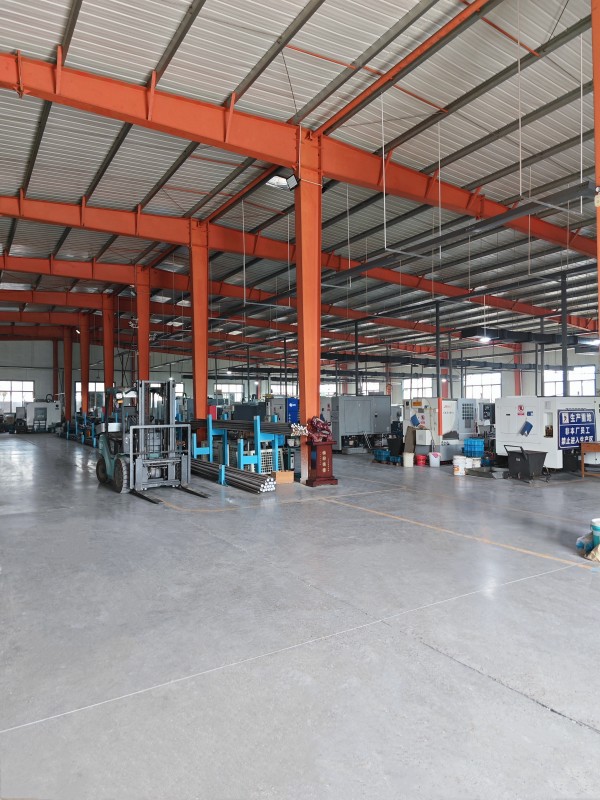
At Micro Precision Machinery (MPM), our production workflow for Hydraulic Cylinder Flanges adheres to strict metallurgical traceability and automated multi-axis CNC milling procedures. We understand that in heavy civil works, a single component defect can cause cataclysmic operational delays.
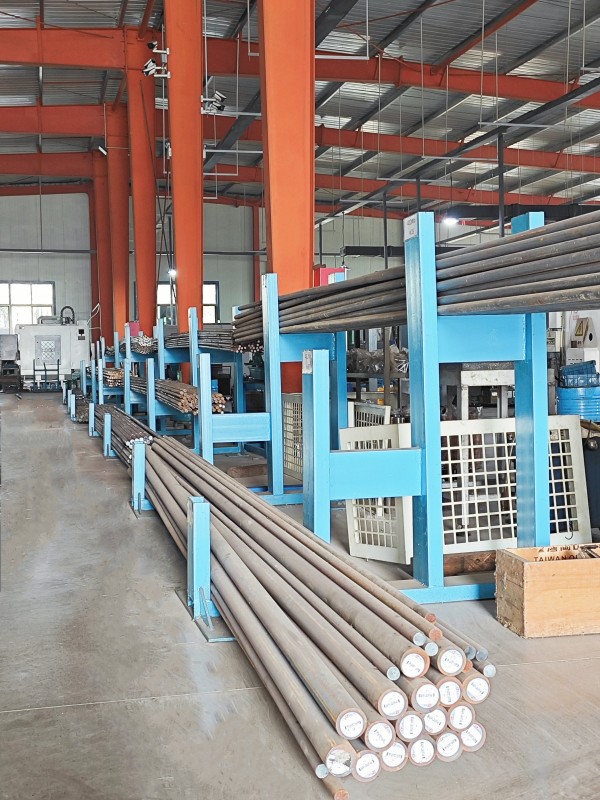
Every flange blank undergoes closed-die forging to optimize metal grain flow lines along the perimeter of the bolt holes and mounting shoulders. Subsequent quenching and tempering (Q&T) refine the grain matrix, achieving the optimal balance between high tensile yield strength (> 900 MPa) and high Charpy V-notch impact toughness even in sub-zero alpine construction temperatures (-40°C).
Our machining center utilizes 5-axis DMG MORI and Okuma horizontal machining centers, holding flange flatness within 0.015 mm and bolt pitch circle tolerances within ±0.02 mm. Every flange is 100% inspected via Ultrasonic Non-Destructive Testing (NDT) to verify zero internal porosity, micro-cracks, or slag inclusions.
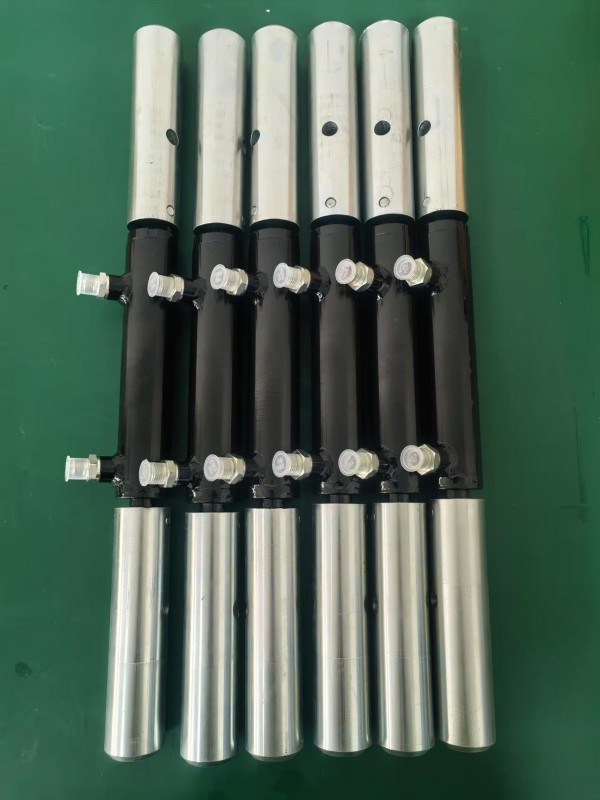
Explore engineering analysis on hydraulic valve synchronization, actuator dynamics, and load compensation in mobile and civil machinery.
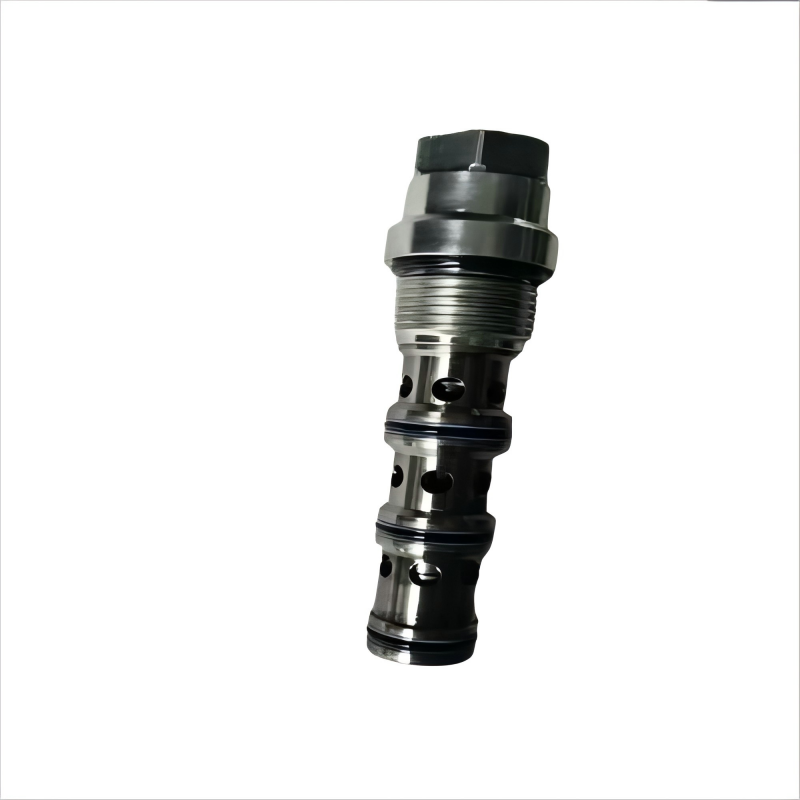
Discover how pressure compensation guarantees smooth synchronous movement across multi-cylinder flange mounts in heavy foundation lifting applications.
Read Article →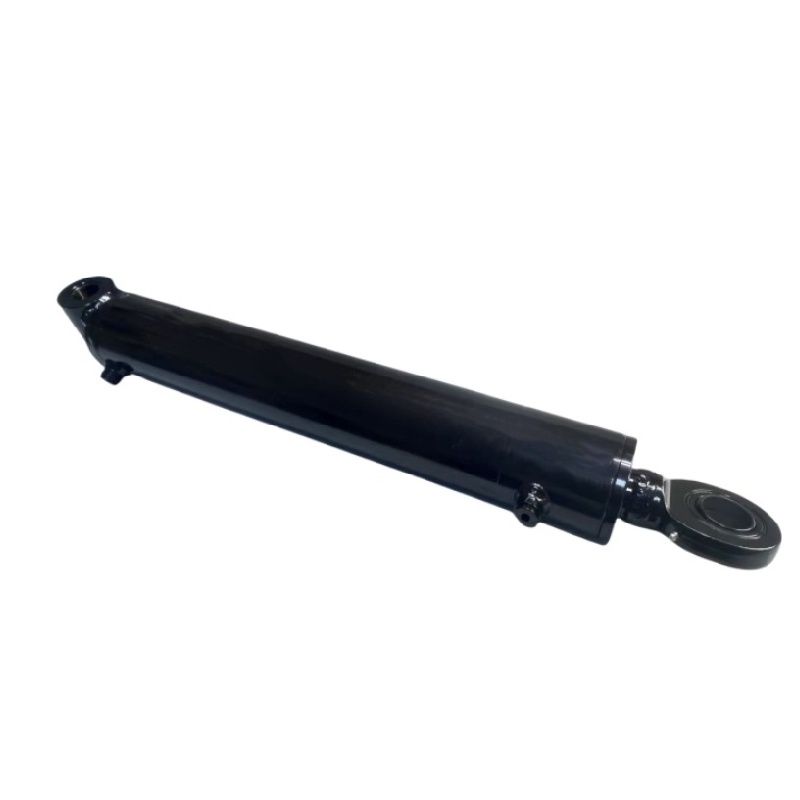
An in-depth technical analysis covering load capacities, seal friction reduction, and flange anchoring stability for high-tonnage lifting cylinders.
Read Article →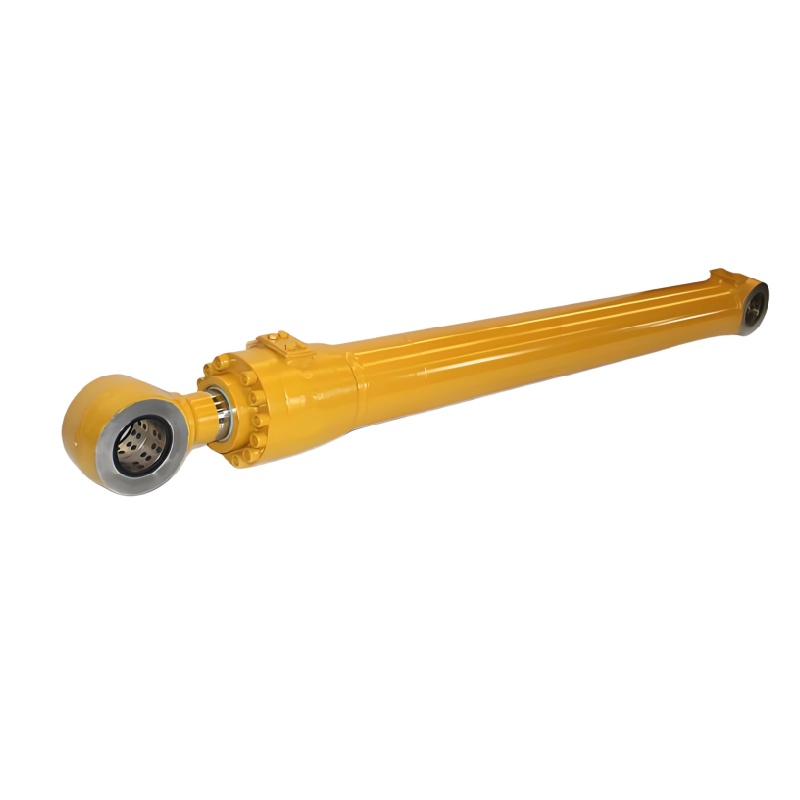
Explore boom cylinder kinematics, dynamic luffing stress vectors, and intermediate flange placement to eliminate mechanical deflection.
Read Article →
A detailed comparison helping civil project engineers select the optimal hydraulic stroke mechanism and mounting flange interface for foundation piling.
Read Article →Key technical considerations regarding design, bolt torque specifications, finite element validation, and custom flange manufacturing.
Flange mounts establish a 100% rigid, flush mechanical union against the machine chassis or bridge girder. This completely eliminates pivot pin wear, bushing ovalization, and angular play, ensuring maximum axial force transfer and preventing cylinder barrel flex during heavy high-tonnage jacking.
Bolt fatigue is mitigated by ensuring optimal flange thickness to resist prying action, utilizing high-tensile Grade 10.9 or 12.9 fasteners, and enforcing precise bolt torque tightening sequences with calibrated hydraulic torque wrenches. Additionally, MPM flanges feature stress-relief radius grooves to redistribute localized stresses.
Forged alloy steels such as 42CrMo4, 40CrNiMo, or 316L stainless steel are recommended. For extreme corrosive environments involving saline slurry or sulfur-rich soils, MPM applies specialized electroplated nickel-chromium coatings or thermal spray multi-layer ceramic coatings.
Yes. MPM offers full-spectrum OEM and ODM manufacturing capabilities. We produce custom circular, rectangular, split, and intermediate forged flanges based on client CAD/STEP models, complete with full material test certificates (EN 10204 3.1) and ultrasonic NDT reports.
Comprehensive selection of certified hydraulic cylinders, precision mounting flanges, heavy-duty spherical bearings, and high-pressure system components engineered for extreme duty cycles.