Leave Your Message
Precision-machined counterbalance blocks and modular manifold valves designed to withstand severe pulse shocks, high cycle frequencies, and fluctuating backpressure.
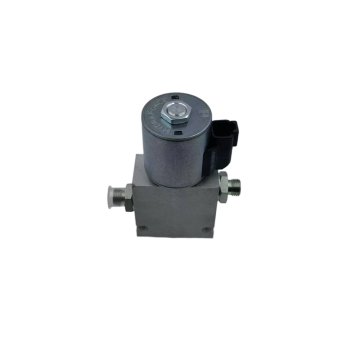
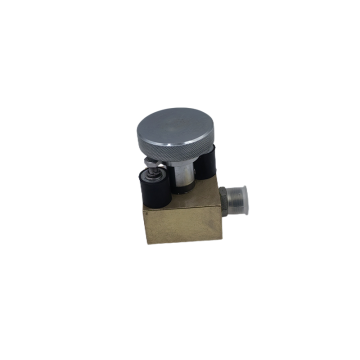
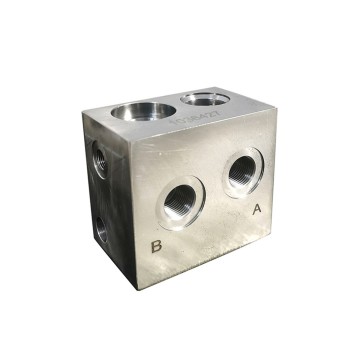
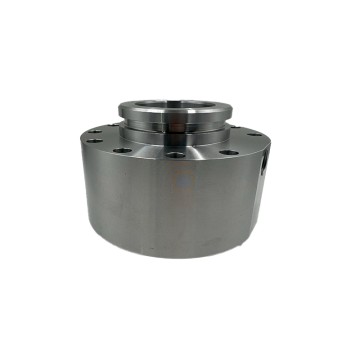
As global recycling infrastructure scales toward circular economy imperatives, hydraulic systems face unparalleled mechanical fatigue, abrasive airborne particulates, and continuous duty cycles.
Poppet-style sealing achieves virtually zero internal leakage (< 0.3 drops/min at 350 bar), locking overhead compactor blades, skip loaders, and refuse ejection rams securely in place even during catastrophic hydraulic hose separation.
Counterbalance valves meter return flow dynamically proportional to pilot pressure, preventing actuators from running ahead of pump supply during high-inertia refuse container tilting, car baling, and scrap crane slewing.
Integrated secondary relief functions purge overpressurization generated by solar radiant heat in locked cylinders and attenuate high-frequency pressure spikes (>500 bar) caused by solid debris impacts inside shredder hoppers.
In modern high-throughput material recovery facilities (MRFs) and automated municipal refuse vehicles, hydraulic circuits do not operate under sterile industrial laboratory conditions. Refuse compactors, scrap shredder feeder rams, and roll-off hooklifts cycle millions of times annually under severe contamination, thermal swings (-30°C in Nordic winters to +65°C in tropical summers), and unpredictable reactive loads.
When an automated side loader (ASL) lifts a 1,100-liter waste container, the gravitational vector shifts rapidly across top-dead-center. Without a high-response hydraulic counterbalance valve (also referred to as an overcenter valve), the cylinder experiences uncontrolled gravitational acceleration, causing severe hydraulic cavitation, structural chatter, seal blowouts, and hazardous structural whip.
Our engineered counterbalance valves and integrated manifold solutions are rated to exceed European Standard EN 1501 and ISO 8643 safety parameters for earthmoving and waste management machinery.
The commercial migration of municipal fleets toward 100% battery-electric waste trucks (e-RCVs) requires maximum hydraulic energy efficiency. Standard throttling counterbalance valves dissipate significant kinetic energy as parasitic heat. Next-generation electro-proportional counterbalance blocks capture pressure feedback, lowering energy consumption by up to 28% while extending battery range per route.
The global waste and recycling equipment market is projected to expand significantly as municipal mandates push landfill diversion targets above 70%. Hydraulic architecture design is evolving along three primary vectors:
1. Sensor-Integrated Condition Monitoring (Predictive Maintenance): Advanced counterbalance blocks now feature embedded miniature piezoresistive pressure transducers and pilot port temperature sensors. Fleet managers receive real-time alerts on seal degradation, cylinder aeration, or valve poppet wear before an unexpected mechanical shutdown occurs.
2. Noise Level Suppression in Urban Zones: Urban night-time waste collection routes enforce strict acoustic emission limits (<65 dBA). Specially contoured valve metering notches eliminate fluid turbulence screech and hydraulic hammer when closing under high flow velocities.
3. Ultra-Compact Cartridge Form Factors: Space limitations in multi-stream recycling trucks demand standardized Sun/Eaton cavity compatibility (e.g., T-11A, T-2A, T-3A, T-17A, and custom multi-axis steel/copper manifolds).
Explore how precision counterbalance valves secure heavy mechanical actuators in real-world high-tonnage recycling workflows.
Shearing car bodies and structural I-beams generates explosive decompression shockwaves. Dual counterbalance valves manage sudden load release without cavitation, protecting main cylinder seals and structural weldments.
Heavy rear-hinged tailgates must be held securely in open positions during discharge cycles without mechanical prop pins. Counterbalance valves provide fail-safe locking with zero drift even during engine shut-off.
When loading a 30-ton loaded refuse container onto a chassis, the load shifts from pulling to pushing as the container tilts past vertical center. Counterbalance valves ensure smooth deceleration and eliminate violent lurching.
Hydraulic pusher rams compress bulky municipal solid waste against rotating cutter shafts. The valve absorbs rapid reverse load pulses while maintaining constant feeding pressure for optimal motor torque.
Boom lift cylinders and rotary grabs operate at high dynamic velocities. Direct-mount overcenter valves provide hose-rupture security over sorting personnel and maintain delicate feathering control during sorting.
Deep multi-stage telescopic compaction cylinders require sequenced velocity regulation and synchronized pressure venting to pack dense paper, cardboard, and wet organic refuse efficiently.
Compare standard cavity configurations, pilot ratios, and dynamic flow ratings engineered for extreme recycling environments.
| Valve Series / Cavity | Nominal Flow Capacity | Max Pressure Rating | Standard Pilot Ratios | Internal Leakage @ 350 Bar | Typical Waste Management Scenario |
|---|---|---|---|---|---|
| MPM-HCVB-T11A Series | 60 L/min (16 GPM) | 350 Bar (5,000 PSI) | 3:1, 4.5:1, 10:1 | ≤ 0.3 cc/min | Side Loader Bin Lifters & Gripper Arms |
| MPM-HCVB-T2A Series | 120 L/min (32 GPM) | 350 Bar (5,000 PSI) | 3:1, 4.5:1 | ≤ 0.4 cc/min | RCV Compactor Packer Blades & Ejectors |
| MPM-HCVB-T3A Series | 240 L/min (63 GPM) | 420 Bar (6,000 PSI) | 2.5:1, 4.5:1, 8:1 | ≤ 0.5 cc/min | Heavy Hookloader Articulation & Skip Hoists |
| MPM-HCVB-T17A Series | 480 L/min (127 GPM) | 420 Bar (6,000 PSI) | 2:1, 4:1 | ≤ 0.8 cc/min | 1,000-Ton Scrap Metal Shears & Baling Presses |
| MPM-Custom Manifold Block | Up to 650 L/min | 450 Bar (6,500 PSI) | Proportional Electro-Hydraulic | Zero-Poppet Spec | Automated MRF Sorting & Autonomous Shredders |
Maximizing component mean time between failures (MTBF) in harsh, dusty, and corrosive solid waste environments.
1. Pilot Pressure Stability & Ratio Selection: Selecting an excessive pilot ratio (e.g., 10:1 on an unstable boom) can cause severe hydraulic jitter, as the valve cracks open rapidly and drops pilot pressure instantly. For fluctuating, compliant loads like compressed refuse bundles, lower pilot ratios (3:1 or 4.5:1) deliver superior damping and smooth modulation.
2. Fluid Cleanliness Control (ISO 4406 Standard): Recycling environments introduce airborne dust, pulverized glass fines, and corrosive organic moisture. Hydraulic fluid must be maintained at ISO 18/16/13 or cleaner. Contaminant scoring on valve poppet seats causes insidious cylinder creep.
3. Thermal Expansion & Relief Setting Rules: The main relief setting on the counterbalance valve should always be adjusted to a minimum of 1.3 times the maximum induced load pressure. This prevents accidental cracking during dynamic pressure spikes while still protecting cylinders against extreme thermal expansion when parked in direct sunlight.
Chatter usually indicates valve instability caused by backpressure in the return line or an overly aggressive pilot ratio. Installing a counterbalance valve with an external vent port (atmospheric vent) isolates backpressure influence.
When mounted directly to the cylinder port via flange or manifold cavity, counterbalance valves meet EN 1501 standards for load retention during hydraulic line severance, eliminating manual lock pins during standard operation.
High fluid viscosity at sub-zero temperatures slows pilot chamber response. Our valves incorporate sharp-edged metering orifices that are virtually immune to viscosity shifts compared to annular clearance designs.
Complete OEM-grade hydraulic cylinders and precision accessories engineered for refuse trucks, aerial platforms, mining loaders, and scrap recyclers.
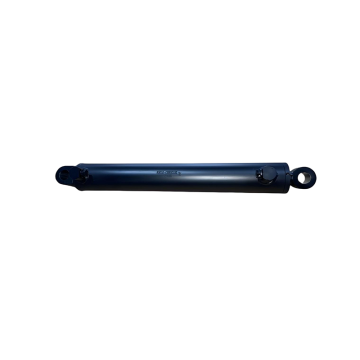
Critical hydraulic component in sanitation vehicles, used to securely lock and release compartments or compacting mechanisms. High load capacity ensures stable operation under heavy-duty conditions.
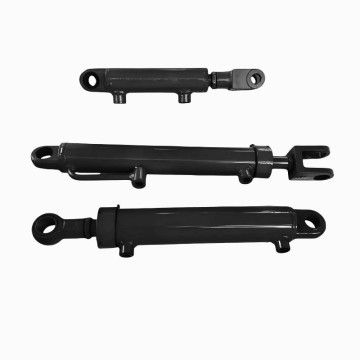
Essential hydraulic actuator designed to raise, lower, and tip refuse compartments. Fabricated from high-strength steel with corrosion resistance and robust multi-lip sealing mechanisms.
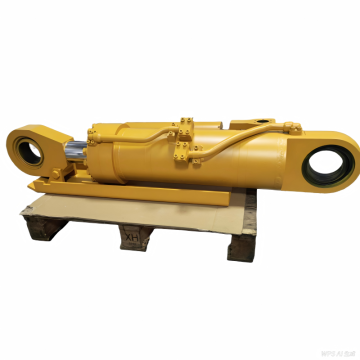
Engineered to precisely control tilting and dumping motions of heavy buckets in confined mining and aggressive industrial recycling environments. Withstands severe shock loads.
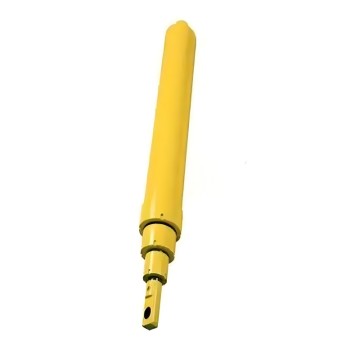
Multi-stage sleeve actuator nested in sequence providing enormous extended stroke length within a compact retracted profile, ideal for high-capacity roll-off waste trailers and stationary compactors.
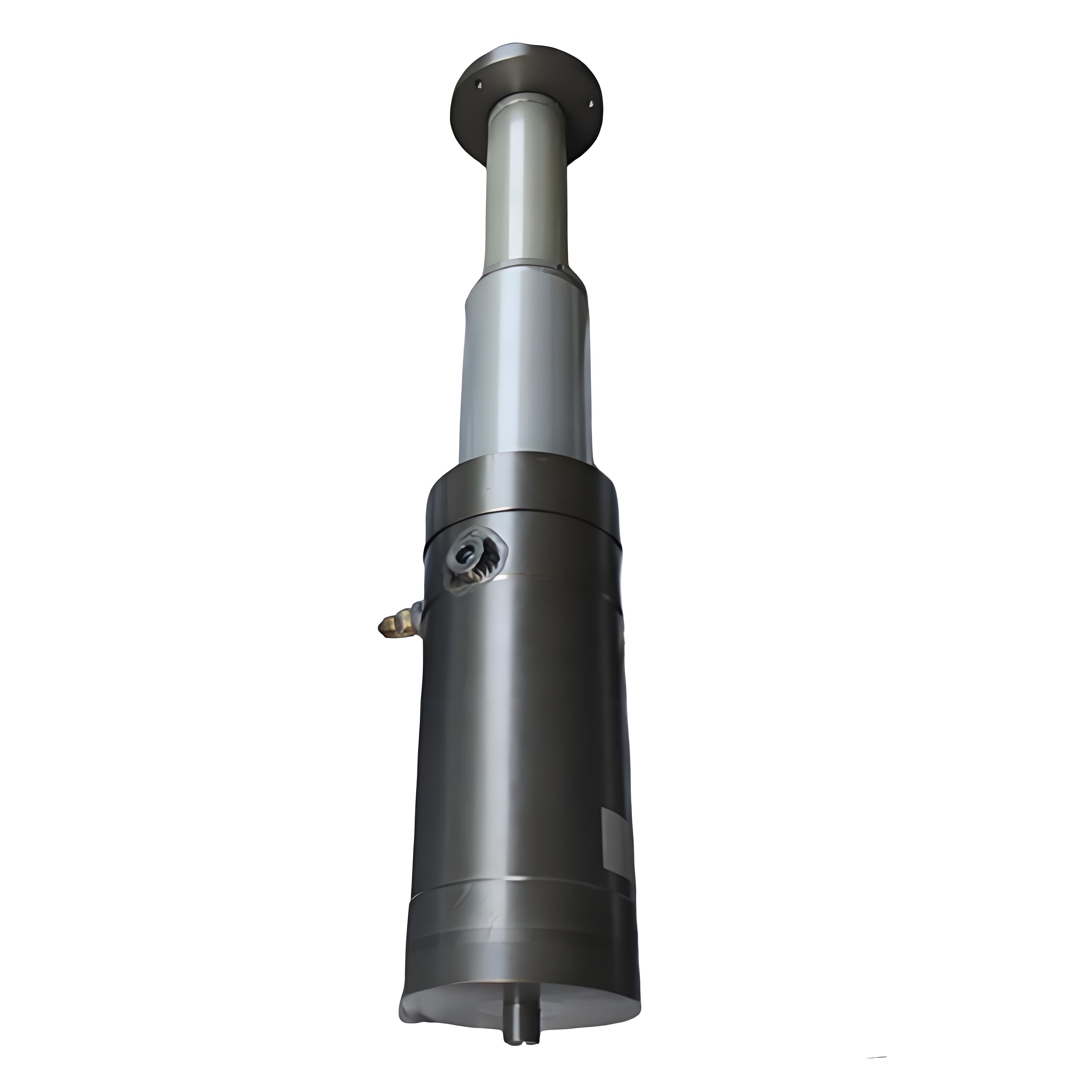
High-performance telescopic actuator meeting demanding cycle requirements in scrap tipping bodies, engineering machinery, and recycling collection hoists.
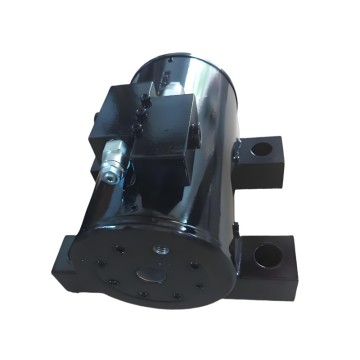
Converts hydraulic power into smooth mechanical swinging and slewing motion for material handler booms, aerial platforms, and articulated sorting grab arms.
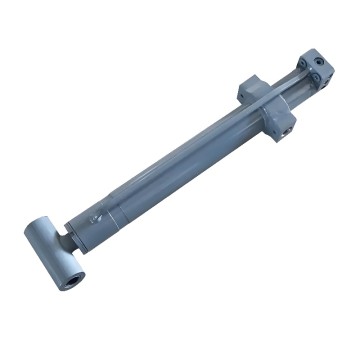
Core hydraulic actuator used to control pitch angles and boom elevations with micro-metering accuracy and fail-safe counterbalance integration.
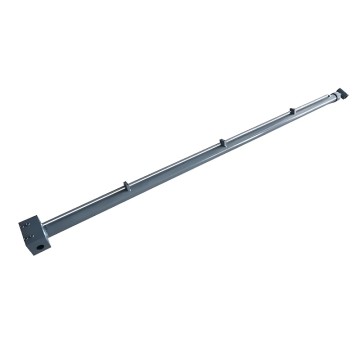
Precision multi-stage extension actuator delivering smooth, reliable lifting and step-by-step boom positioning under high moment loads.
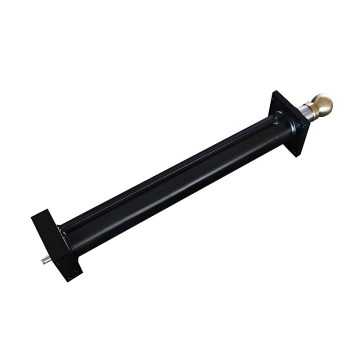
Engineered for vehicle stabilization and chassis levelling. Equipped with dual pilot-operated check or counterbalance valves to prevent settling.
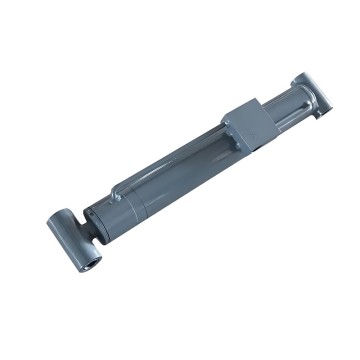
Actuator for automatic and manual orientation leveling under complex working conditions to guarantee operational stability and operator safety.
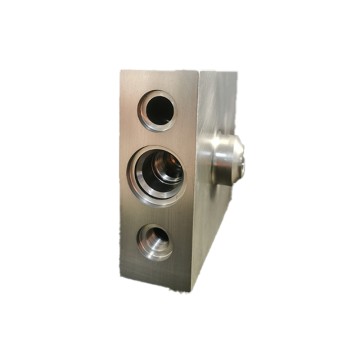
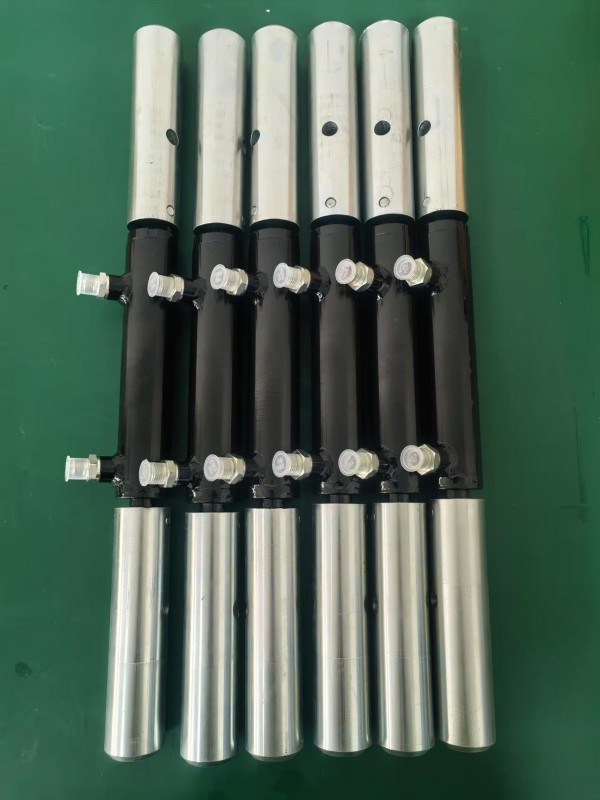
Direct-acting counterbalance manifold module for high-pressure recycling actuators. Provides smooth overcenter metering and zero-leak poppet holding.
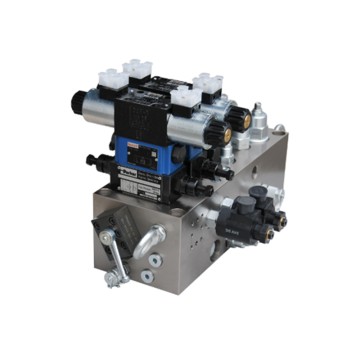
Custom engineered multi-station hydraulic manifold block designed for central recycling plant power packs, scrap presses, and shredder feeder stations.
In-depth guides on pressure compensation, actuator mechanics, and system architecture for industrial machinery designers.
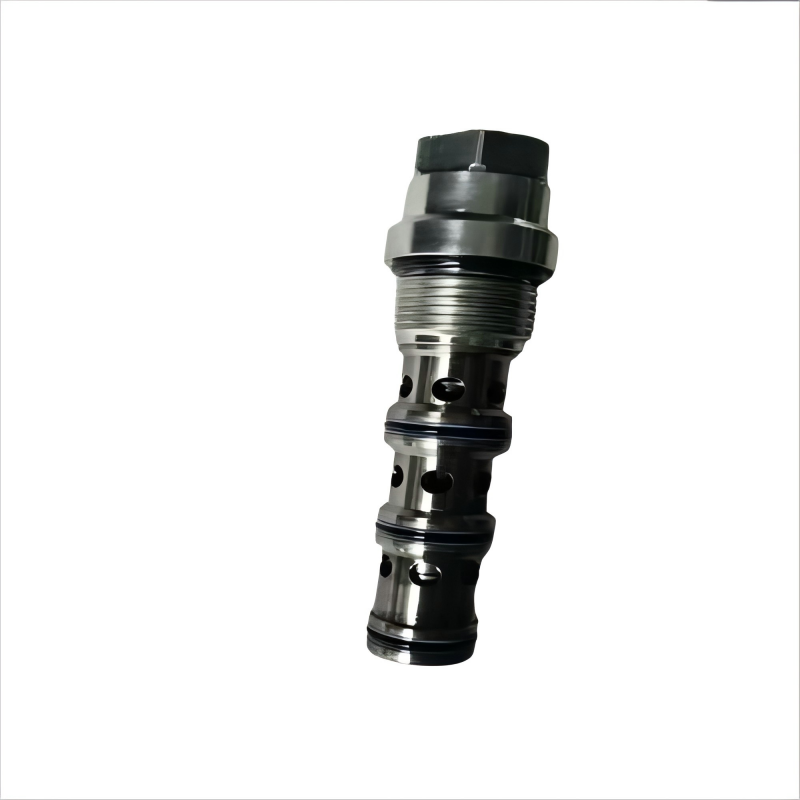
How dynamic pressure compensation maintains consistent flow rates regardless of varying working load pressures in heavy industrial systems.
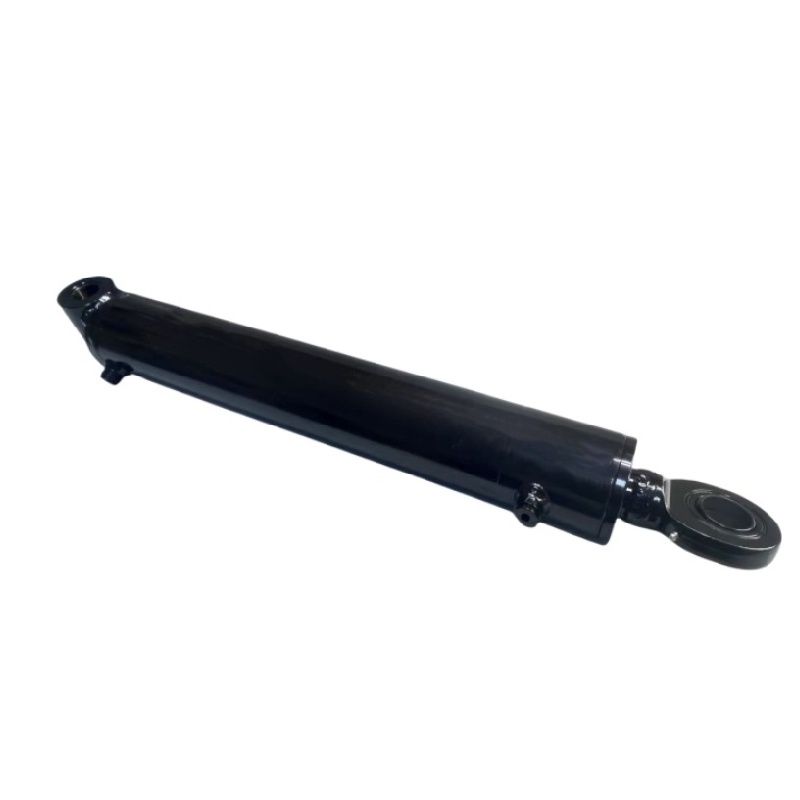
An engineering breakdown of fluid displacement, thrust calculations, seal designs, and overcenter valve safety integration.
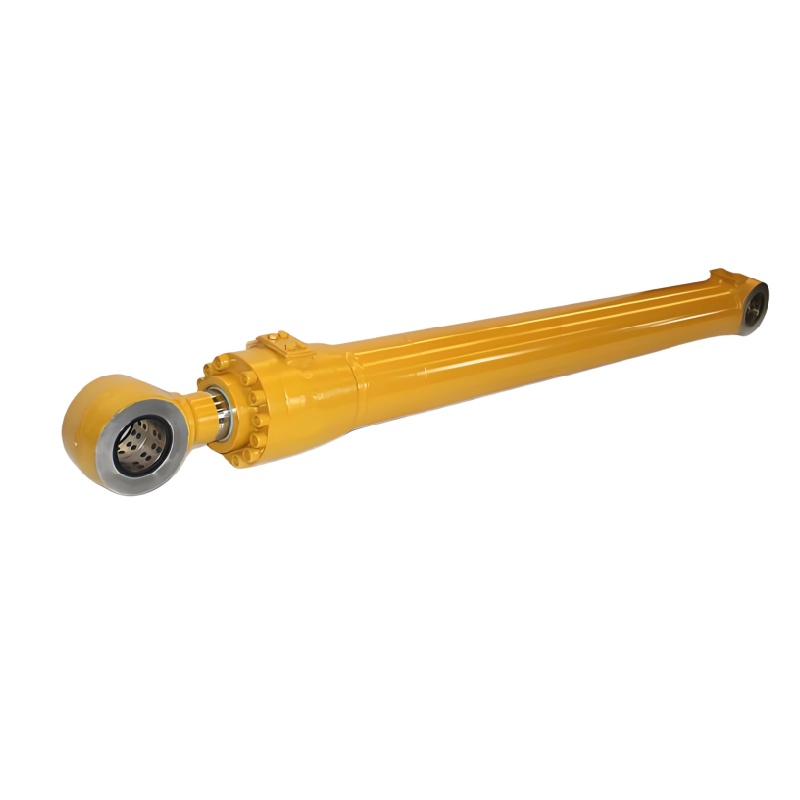
Design fundamentals for high-stress boom cylinders operating under dynamic cantilever loads, bending moments, and rapid cycling.
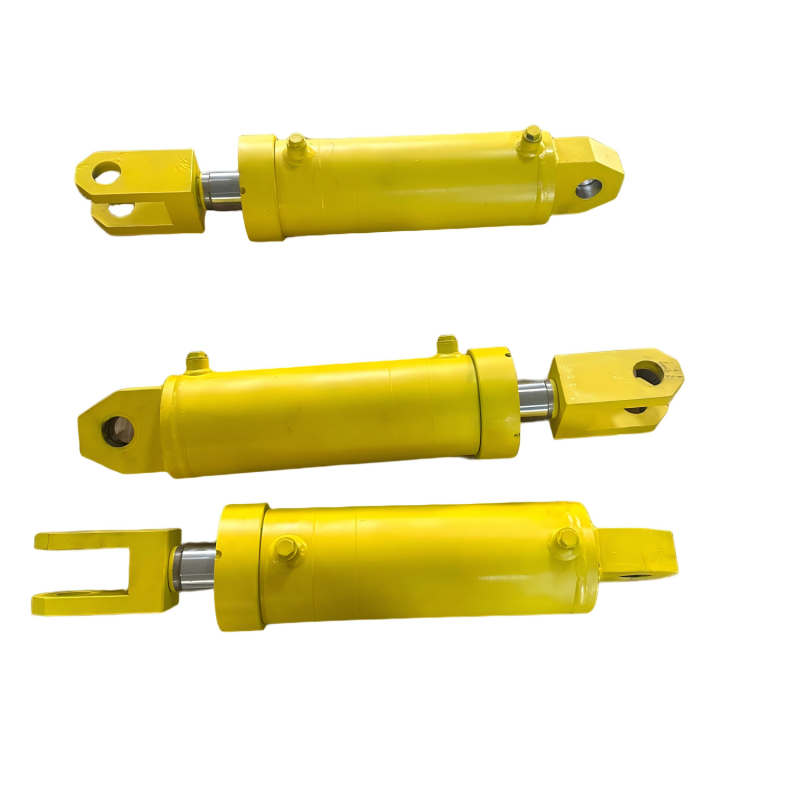
Comparing cost, power efficiency, retraction force, and valve circuit control requirements across waste compaction mechanisms.
Explore our full line of specialized valve blocks, heavy-duty cylinder components, outrigger cylinders, and high-precision CNC tooling.

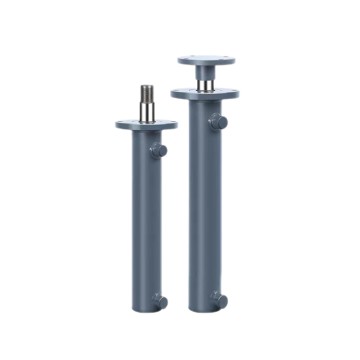
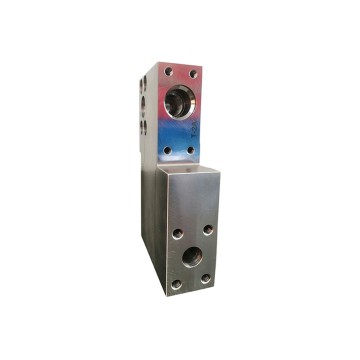

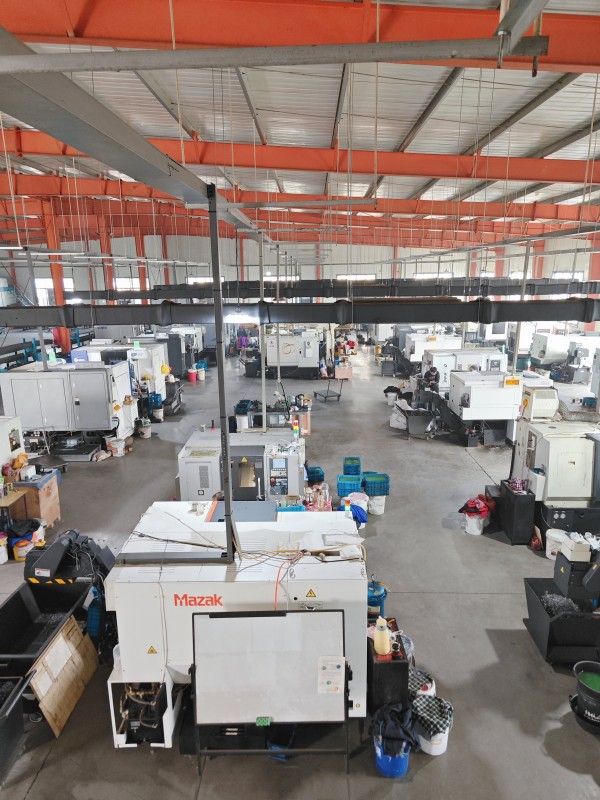
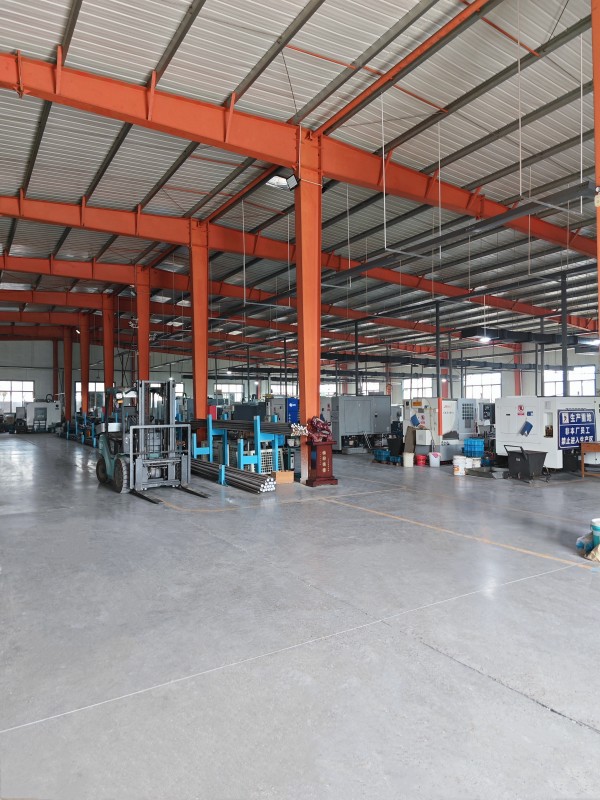
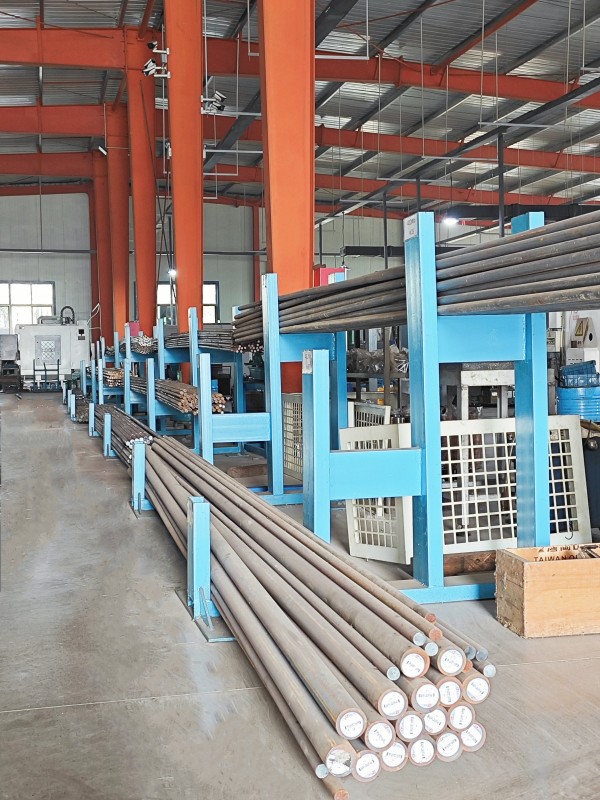
Equipped with multi-axis CNC machining centers, coordinate measuring machines (CMM), and automated high-pressure test benches to ensure zero-defect hydraulic manifold production.
© Micro Precision Machinery. Engineered Hydraulic Solutions for Waste Management, Municipal Sanitation, Mining & Circular Recycling Industries.