Leave Your Message
Explore our core heavy-duty components designed to withstand intense pressure and corrosion in offshore operations.
The marine and offshore industries operate in some of the most unforgiving environments on the planet. From deep-sea oil exploration platforms to massive container vessels, equipment is constantly exposed to highly corrosive saltwater, extreme mechanical vibrations, fluctuating ambient temperatures, and immense pressure forces. In this demanding landscape, hydraulic systems serve as the primary source of power transmission. High-precision hydraulic components are critical to ensuring the safe, efficient, and continuous operation of essential deck machinery, subsea excavators, steering gear, and wind turbine installation platforms.
Globally, the market for marine and offshore hydraulic components is seeing a significant shift. Industrial growth is driven by two major sectors: the expansion of deep-water oil and gas drilling, and the rapid rise of offshore wind energy. As turbines grow larger and drilling operations push into deeper waters, the load-bearing requirements for hydraulic actuators have reached unprecedented levels.
Manufacturers of marine hydraulic components must adhere to strict international certification standards, such as those set by DNV GL, ABS (American Bureau of Shipping), and Lloyd's Register. These standards dictate material traceability, fatigue life limits, and pressure testing protocols. High quality is not just a preference; it is a regulatory mandate. The cost of component failure at sea is astronomical, encompassing not only lost production time but also environmental hazard risks and complex maritime rescue operations.
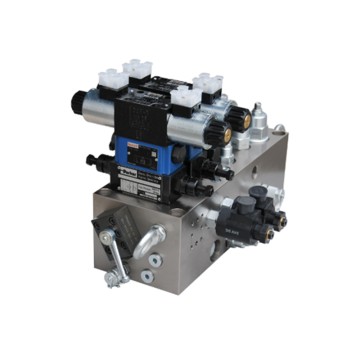
When lifting heavy payloads from a moving vessel to a stable subsea structure, wave motion poses a severe risk. Active Heave Compensation (AHC) systems utilize real-time motion reference units to adjust hydraulic winch and crane positions dynamically. This application demands incredibly fast response times and precise flow regulation, which are enabled by high-performance Hydraulic Relief Valve Blocks and multi-stage cylinder assemblies.
Jack-up rigs rely on massive hydraulic cylinders to lift platforms weighing tens of thousands of tons above the water surface. These cylinders must operate in complete synchronization. The structural integrity of the Hydraulic Cylinder Bases and Flanges is vital, as they bear the static load of the entire platform against continuous ocean currents and wind forces.
Vessel navigation relies on steering gears powered by hydraulic actuators. These systems require continuous, micro-adjustments for hours on end. Precision-machined Hydraulic Cylinder Pistons and low-friction bushes are crucial to minimize wear and prevent oil leakage, ensuring the vessel maintains its course safely.
As the ultimate safety device in offshore drilling, a BOP must shut down a well under emergency conditions. The hydraulic valves and actuators used in BOPs are designed to operate under high hydrostatic pressures. These components use specialized materials like duplex stainless steels and advanced surface coatings to resist corrosion and marine biofouling.
Saltwater and marine atmospheres accelerate rust. Components are crafted using high-grade stainless steels, duplex alloys, or specialized nickel-based plating to guarantee decades of operation without structural degradation.
Internal clearances in valves and manifolds are measured in microns. Micro Precision Machinery uses state-of-the-art CNC tools to prevent internal fluid bypass and ensure consistent operating pressures.
Environmental protection laws prohibit oil discharge into ocean waters. Advanced sealing geometries combined with high-integrity cylinder heads and bushes ensure complete fluid containment.
Browse our extensive inventory of high-precision hydraulic cylinders, manifolds, structural parts, and manufacturing tools engineered for demanding industrial tasks.
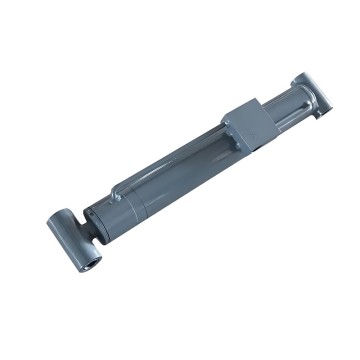
The leveling cylinder is a key hydraulic actuator for aerial work platforms. It is used to achieve automatic or manual leveling of the platform under complex working conditions to ensure the stability and safety of the platform during operation.
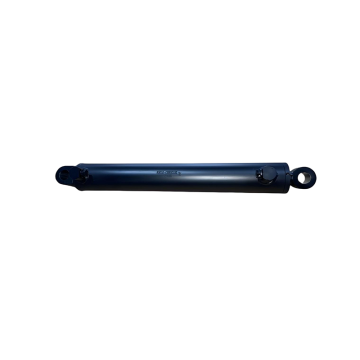
The Sanitation Vehicle Locking Cylinder is a critical hydraulic component in sanitation vehicles, used to securely lock and release compartments or compacting mechanisms. With a compact design and high load capacity, it ensures stable operation under heavy-duty conditions, enhancing safety and efficiency.
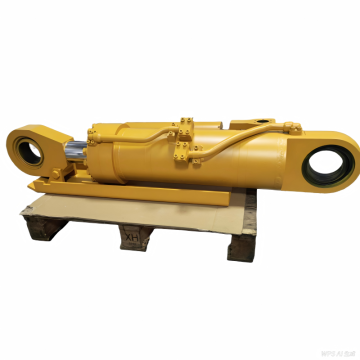
Underground LHD Loader Tilt Cylinder serves as a critical hydraulic actuator within Load-Haul-Dump (LHD) machines, designed to precisely control the tilting and dumping motions of the bucket or load compartment for efficient material discharge in confined underground spaces. Fabricated from high-strength steel and often featuring protective coatings, the cylinder is engineered to withstand extreme pressure, shock loads, and corrosive environments inherent to mining and tunneling operations.
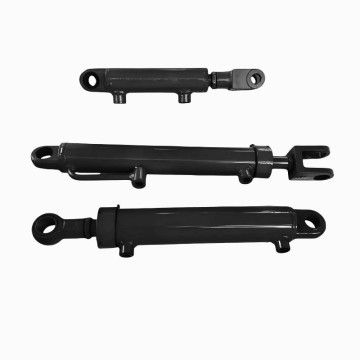
Garbage Truck Lifting Cylinder serves as an essential hydraulic element within waste collection vehicles, designed to actuate the raising, lowering, and tipping movements of the refuse compartment or compaction system for efficient waste handling and compression. Fabricated commonly from high-strength steel, the cylinder provides strong corrosion resistance and durable load-bearing performance.
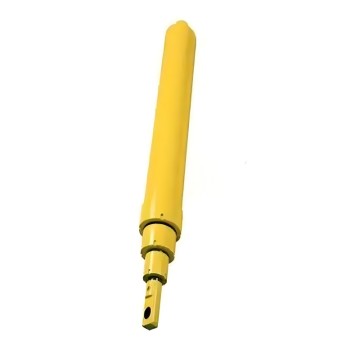
The four-stage telescopic hydraulic cylinder is a multi-stage sleeve hydraulic actuator, which consists of a main cylinder and four-stage movable sleeves (or piston rods) nested in sequence. Under the action of hydraulic oil, the sleeves can be extended synchronously or sequentially in accordance with the design sequence, providing an effective stroke far exceeding its retracted length.
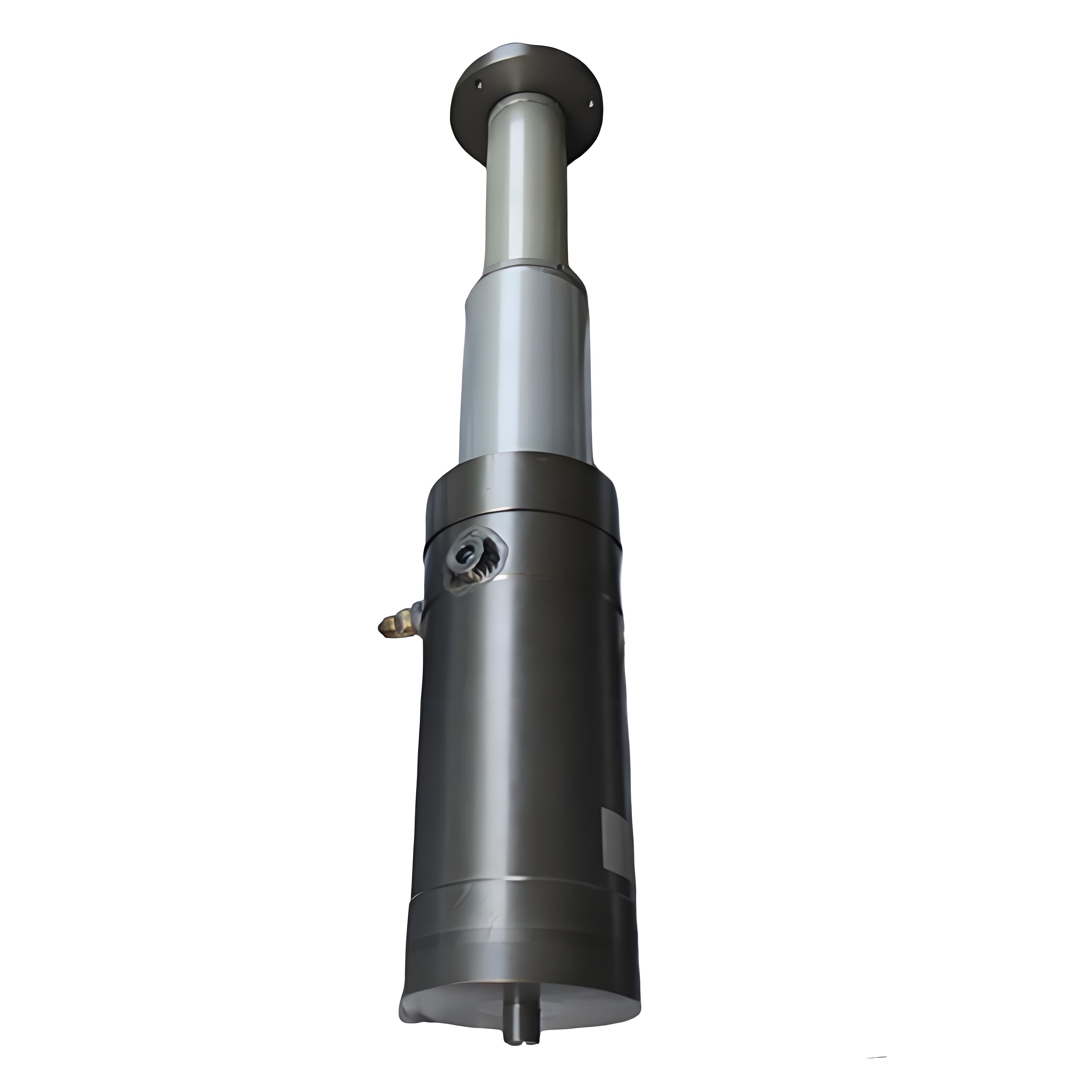
The three stage telescopic cylinder is a high-performance hydraulic actuator, which is widely used in engineering machinery, aerial work platforms, cranes, etc. Its unique three-stage telescopic structure design enables the cylinder to achieve a large telescopic stroke in a limited space.
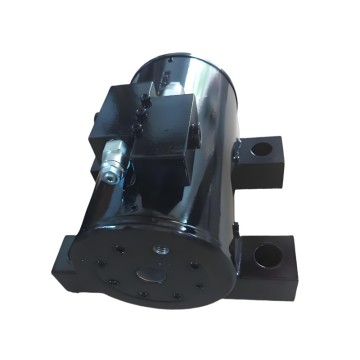
The aerial work platform rotary actuator is used to control the swinging motion of the aerial work platform's working arm to achieve the platform's operating requirements at different angles. It drives the piston movement through hydraulic power and converts it into a mechanical swinging motion.
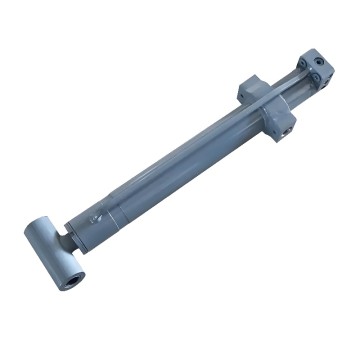
The luffing cylinder is the core hydraulic actuator of the aerial work platform, which is mainly used to control the pitch angle of the boom and accurately adjust the height and horizontal position of the work platform.
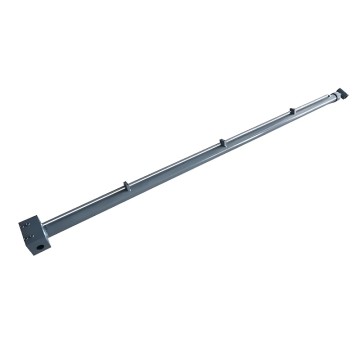
The telescopic cylinder of the aerial work platform is the core power component of the aerial work equipment. It realizes the step-by-step extension and retraction of the boom through hydraulic drive, ensuring the smooth lifting and precise positioning of the platform.
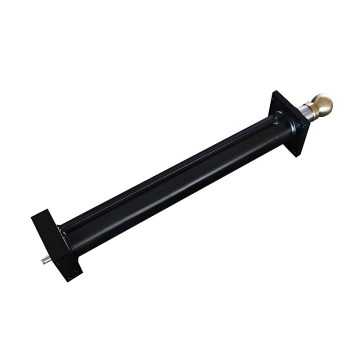
The outrigger cylinder is the core hydraulic component of the aerial work platform, mainly used to support and stabilize the equipment to ensure the safety and balance of the whole machine during operation.
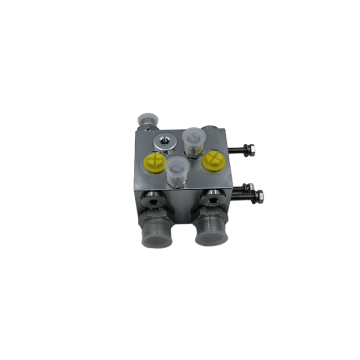
High-reliability solenoid valve block designed for differential lock systems, ensuring instantaneous response and precise pressure control.
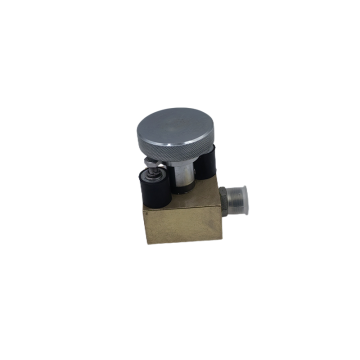
Constructed from high-grade copper alloys to resist corrosion while allowing fine manual adjustment of hydraulic line flow rates.
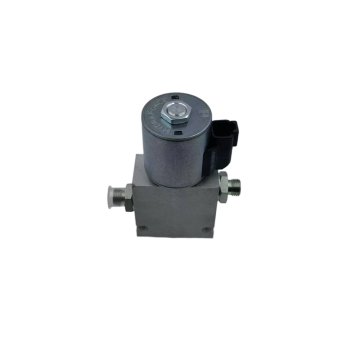
Engineered for quick attachment switches in heavy mobile equipment, utilizing highly durable solenoid coils.
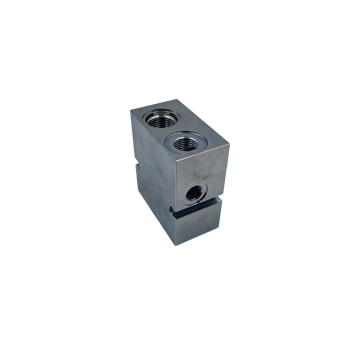
Controls lift cylinder extension and retraction pathways with zero drift and high pressure capacity.
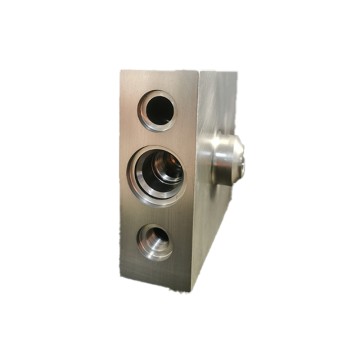
Crucial for load holding and preventing runaway loads in cranes, utilizing precision-machined counterbalance elements.
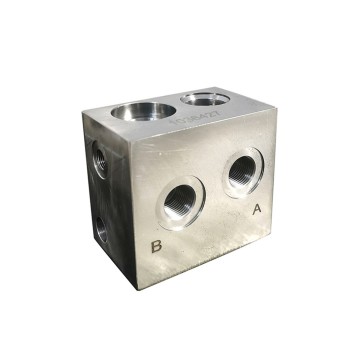
Maintains linear flow parameters across changing pressure profiles, critical for smooth actuator performance.
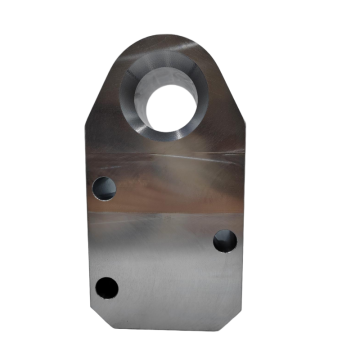
Monoblock barrel design for high-pressure applications, removing weld weak points to enhance fatigue life.
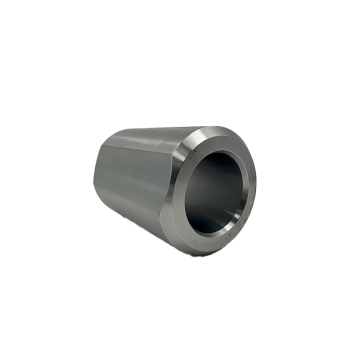
Low-wear guide bushing providing structural alignment and sealing interface backing inside cylinder heads.

Allows angular misalignment during cylinder operation, reducing mechanical stress on the piston rod.
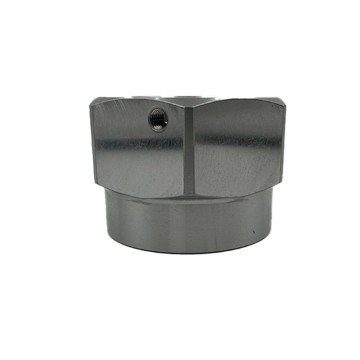
Heavy-duty locking nut designed to secure the piston assembly onto the cylinder rod under high-load cycles.

Precision machined gland head designed to seal the rod end of the cylinder under high dynamic pressures.
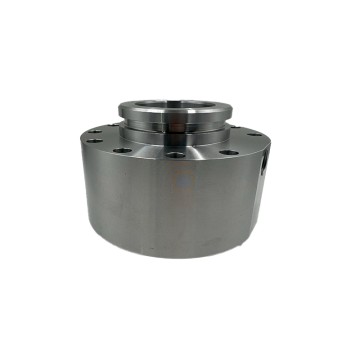
Heavy-duty mounting flange ensuring rigid attachment of the cylinder body to the machine chassis.
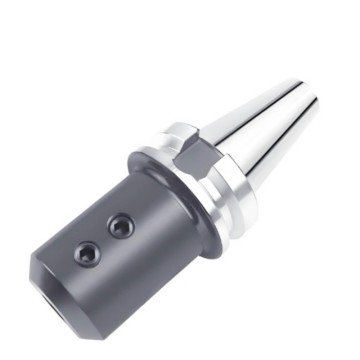
Designed for heavy milling operations, providing secure tool clamping to prevent slippage during high-torque cutting.
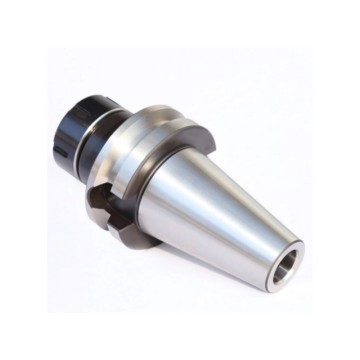
High-precision collet chuck holder optimized for smooth high-speed machining with minimal runout.
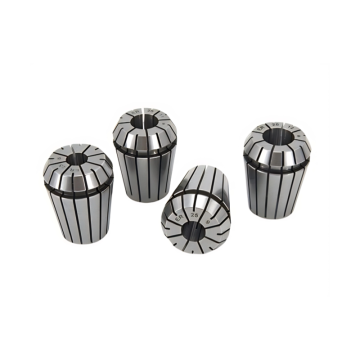
Standard industrial collet for holding drills and end mills with precision concentricity.
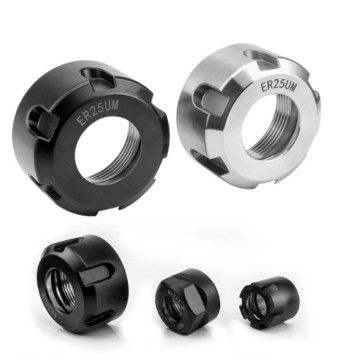
High-speed balanced clamping nut designed for ER collet systems to reduce vibration.
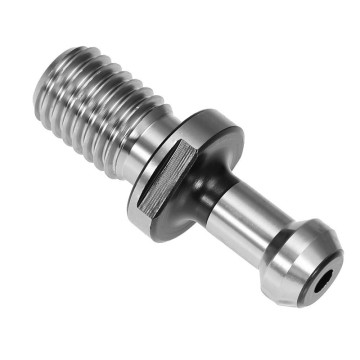
Manufactured to JIS standards, providing reliable tool retention inside machine tool spindles.
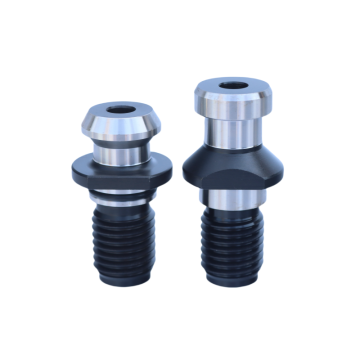
Pull stud manufactured according to DIN standards, using heat-treated steel for long service life.
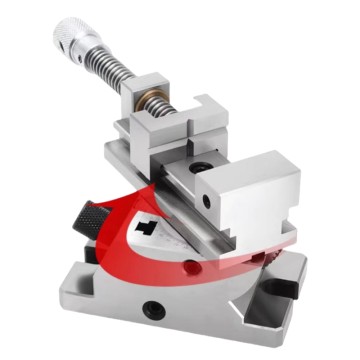
Features multi-axis rotation capabilities for complex angled machining on milling machines.
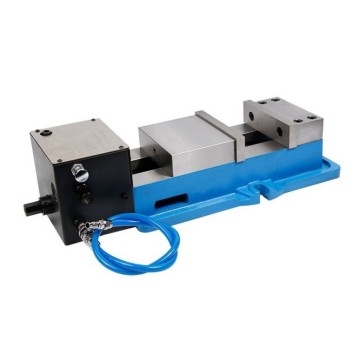
Combines rapid pneumatic setup with massive hydraulic clamping force for industrial workholding.
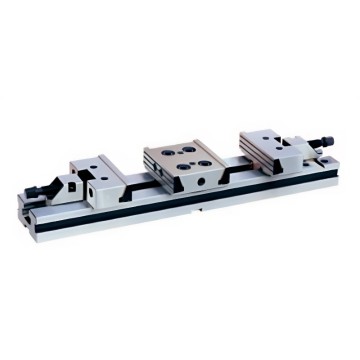
Heavy-duty machine vise supporting both single and double action clamping modes for flexible setups.
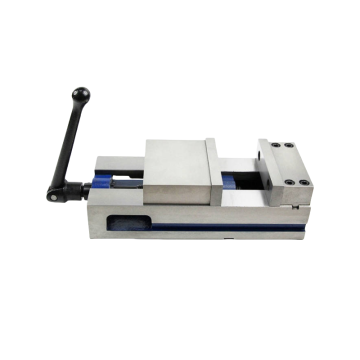
Dual-mount vise allowing workholding in both horizontal and vertical orientations with high rigidity.
The marine industry is undergoing a digital and ecological transformation. Hydraulic systems are adapting to meet new environmental requirements and efficiency standards.
Environmental regulations, such as the US EPA Vessel General Permit (VGP), require vessels operating in coastal waters to use biodegradable hydraulic fluids. This shift changes seal compatibility requirements. Hydraulic components must utilize advanced fluorocarbon or polyurethane seals that maintain their integrity when exposed to synthetic esters and bio-based oils.
Unplanned maintenance at sea is costly. Modern marine cylinders are integrated with magnetostrictive stroke sensors, temperature sensors, and pressure transducers. These "smart cylinders" stream operational data to the vessel's control center, enabling predictive maintenance. By analyzing seal wear and oil contamination levels in real time, operators can schedule servicing before a failure occurs.
EHAs combine the power density of traditional hydraulics with the localized control of electric motors. Instead of a centralized hydraulic power unit (HPU) with long piping runs across a vessel, each actuator has its own mini-reservoir and variable-speed pump. This localized design reduces the risk of overall system oil leaks, simplifies installation, and improves energy efficiency by only drawing power when the actuator is in motion.
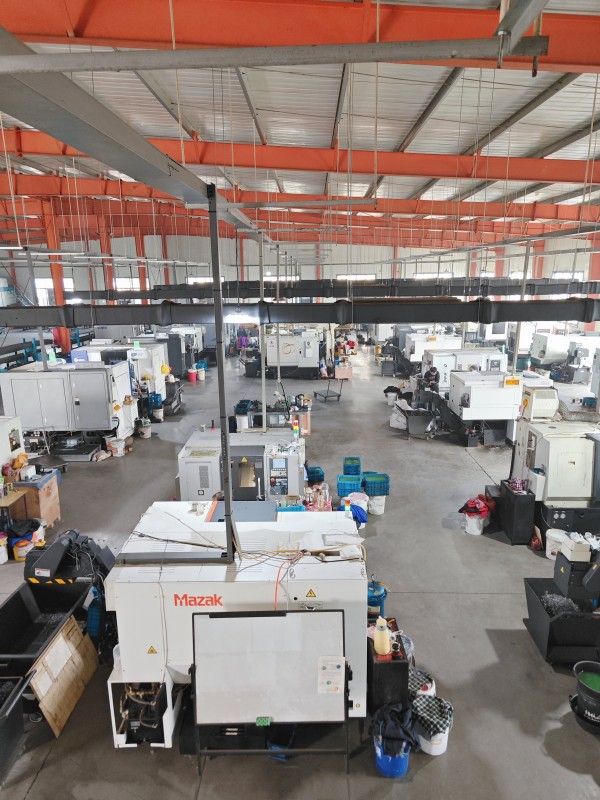
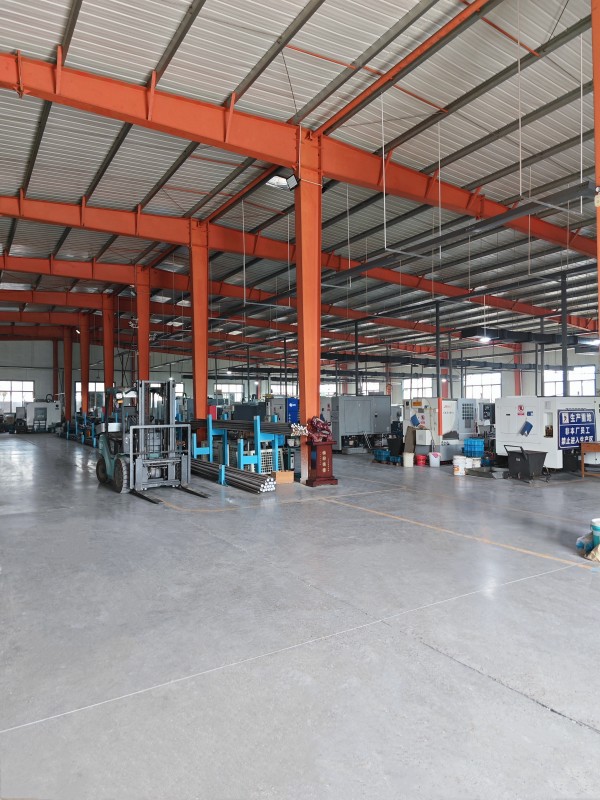
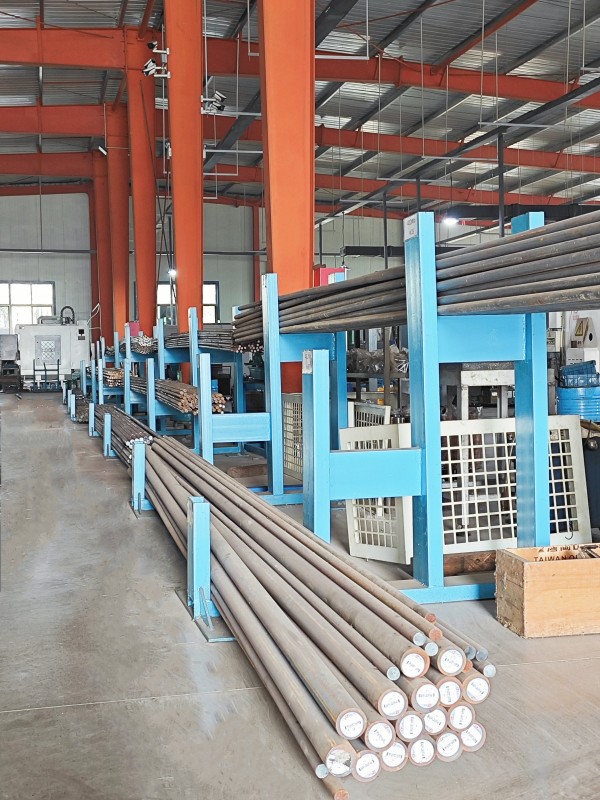
Micro Precision Machinery specializes in manufacturing high-precision components for industrial and marine applications. Our facility utilizes advanced multi-axis CNC machining centers, high-precision cylindrical grinding machines, and rigorous testing equipment. We deliver components that meet the exact requirements of critical marine, offshore, and heavy machinery systems.
Stay informed with our technical guides and articles covering hydraulic design principles, maintenance best practices, and component selection guides.
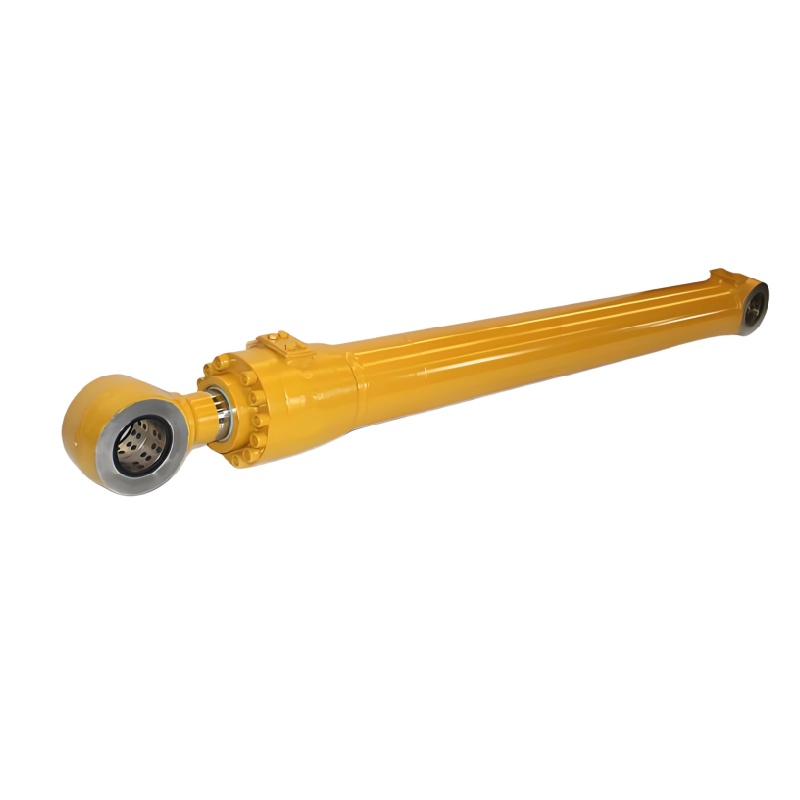
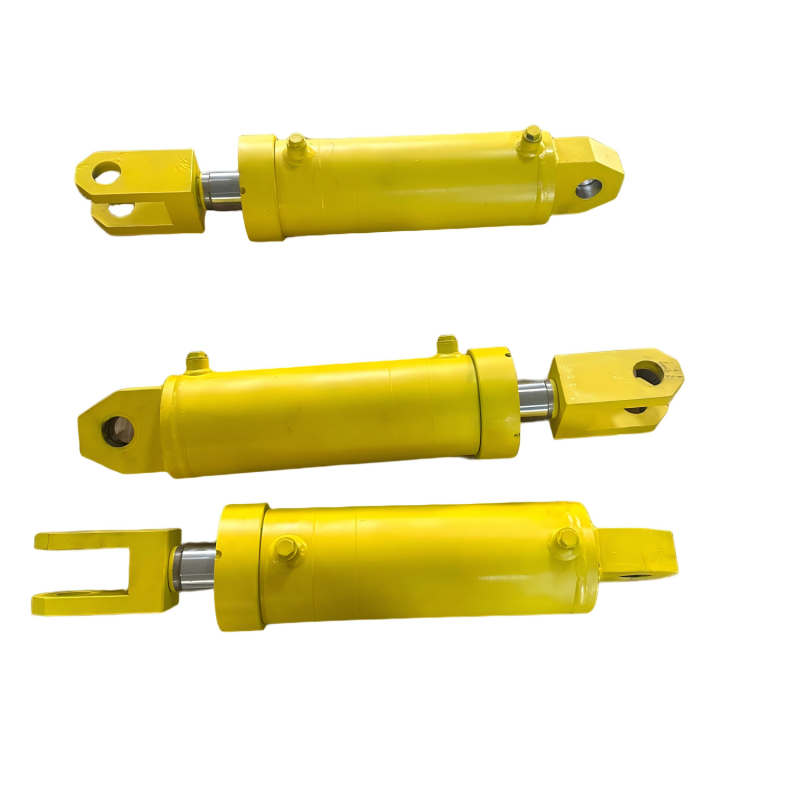
Browse our full range of certified components, engineered for high reliability, corrosion resistance, and precise control in offshore installations.