Leave Your Message
0%

Picking the right hydraulic parts manufacturer in China isn't just about comparing prices or scrolling through slick product photos. Honestly, buyers need to get into the nitty-gritty—look at what materials are used, how well things are machined, the testing records, and the kind of after-sales support they can expect. For example, a piston pump might look super precise online, but its true performance depends on things like tight tolerances, surface finish, and how consistently it’s assembled.

John Watton, a well-known author on fluid power, always stresses that understanding how the whole system behaves is way more important than just focusing on individual parts. So here’s a little tip: the best way to judge a supplier is by how their components perform within the entire hydraulic system—does it all work smoothly together? Just a heads up, this isn’t a direct quote, but a summarized idea.

China’s manufacturing scene is huge and varied—some companies are all about agricultural machinery, others focus on construction equipment, industrial presses, or mobile hydraulics. Their specialties differ a lot. Some might excel in pumps and motors, while others are more into valves, cylinders, or fittings. Because of all that, details really matter. When talking to potential suppliers, ask how they control contamination, how they verify pressure ratings, and how they handle custom requirements. Don’t hesitate to request test data, sample parts, and straight-up answers about their production capacity.

This guide is made to help you get a feel for some of the top Chinese manufacturers by considering those real-world questions. We look at their product range, engineering skills, proof of quality, export experience, and how easy they are to communicate with. Keep in mind, no single ranking can cover every application. A supplier that’s perfect for a small excavator might not cut it for a high-cycle factory line. And even the best manufacturers can slip up sometimes. So it’s smart to verify their claims—don’t just go by pretty brochures or promises.
Who Are the Top Hydraulic Parts Manufacturers in China?

Hydraulic Parts and Their Role in Fluid Power Systems

Who Are the Top Hydraulic Parts Manufacturers in China?

Hydraulic Parts convert mechanical energy into controlled fluid power. Pumps create flow, valves direct it, and cylinders produce linear movement. Hoses, fittings, seals, and filters keep the circuit connected and clean. Together, these components control lifting, pressing, steering, and rotating equipment.

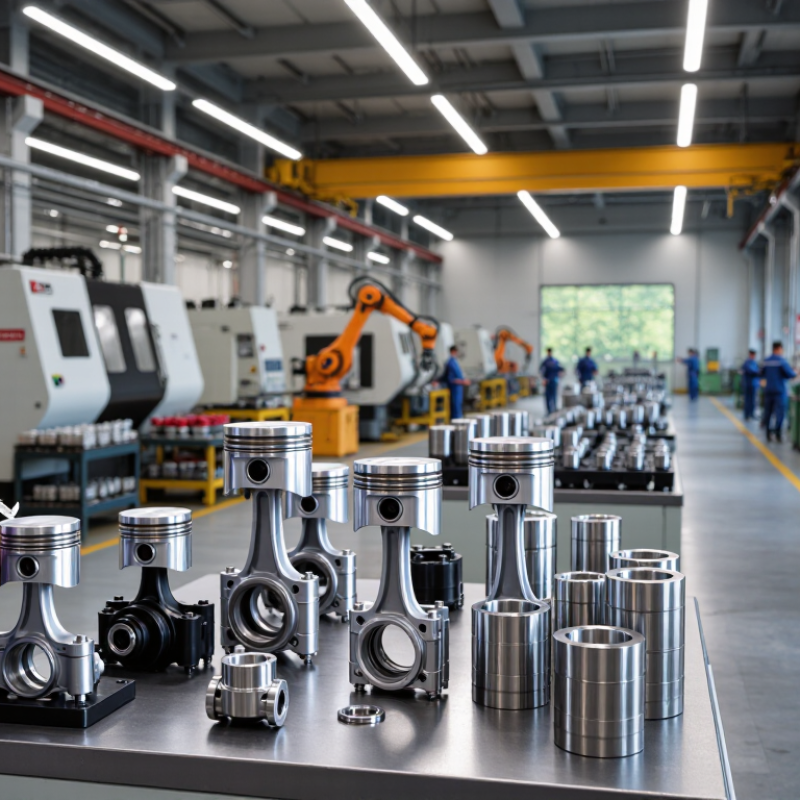
A capable Chinese manufacturer should offer precise machining, material traceability, and documented pressure testing. Buyers should inspect tolerance records, sealing performance, and fatigue results before approving production. For example, a poorly finished valve spool may cause internal leakage after only a few operating cycles. Hydraulic Spare Parts also need accurate dimensions, because a small mismatch can damage seals or increase downtime. Fit matters.

The strongest suppliers usually combine engineering support with stable production control. They can read circuit drawings, recommend suitable materials, and adjust parts for temperature, pressure, or corrosive working conditions. Clear inspection reports matter as much as attractive samples. In practical maintenance, an emergency replacement may look correct but fail because its thread depth or hardness differs slightly. Pressure reveals everything. A polished catalog is not enough, and even experienced buyers can overlook installation conditions. Reviewing operating records, test methods, and after-sales response gives a more reliable view of manufacturing capability.

How to Evaluate Hydraulic Parts Manufacturers in China

Choosing among hydraulic parts manufacturers in China requires more than comparing prices. A reliable supplier should show practical experience with pumps, valves, cylinders, or fittings used in similar working conditions. Ask for material certificates, dimensional reports, pressure-test records, and clear process controls. Factory photos help, but an independent audit provides stronger evidence. I once underestimated the importance of packaging; damaged sealing surfaces caused delays even when the parts passed inspection.

Check how the manufacturer handles samples and design changes. Engineers should explain tolerances, surface treatment, fluid compatibility, and expected service life in plain language. Request a small trial order before committing to large volumes. Review communication speed, production capacity, inspection methods, and traceability from raw material to shipment. A low quotation may hide unstable materials or limited after-sales support.

Tips: Ask for recent test records. Verify the actual production site. Compare samples under pressure. Confirm warranty terms in writing. Keep questions specific. If answers remain vague, pause the evaluation. A serious manufacturer will discuss possible failure points, not only promised performance.

Consider delivery risk, too. A supplier may have excellent machining skills but weak planning during peak seasons. That does not make them unsuitable, but it requires a clearer schedule, safety stock, and agreed inspection points. Even experienced buyers can miss small details, so document every technical requirement before production begins.

Leading Chinese Manufacturers of Hydraulic Pumps and Motors

China’s hydraulic-pump and motor manufacturersserve construction machinery, Agricultural Equipment, factory automation, and mobile hydraulics. Their range includesgear, vane, and piston pumps, plus motors designed for different pressure and speed requirements. The differences matter. A compact gear pump may suit a simple circuit, while variable-displacement piston units can support more demanding flow control.

Grand View Research’s Hydraulic Equipment Market report estimated the global market at about US$43.5 billion in 2023. This figure covers more than pumps and motors, so it should not be treated as a measure of Chinese suppliers alone. Still, it signals substantial demand for Hydraulic System Parts. Buyers should compare rated pressure, volumetric efficiency, noise, temperature limits, and endurance-test conditions—not just catalogue flow rates.

For supplier evaluation, request test records tied to the exact model and ask how production batches are traced.

Check machined surfaces, shaft seals, port dimensions, and motor performance under load. These details can expose problems before installation.

Published market data has a blind spot: it rarely separates pump and motor quality by factory. A careful sample trial remains useful, though one sample cannot prove consistency.

Major Suppliers of Hydraulic Valves and Control Components

China’s hydraulic-valve suppliers serve excavator, agricultural, and industrial-equipment makers. Their offerings commonly include directional, pressure-control, and flow-Control Valves, plus proportional controls and manifolds. Grand View Research estimated the global hydraulic equipment market at about US$42.1 billion in 2023, with projected growth of 5.3% annually through 2030. That outlook helps explain demand for components that deliver stable pressure and repeatable control.

Specs matter. When comparing suppliers, check rated pressure, flow range, response time, leakage limits, and test conditions. Ask how each valve performs across oil temperatures and after repeated operating cycles. For Hydraulic Excavator Parts, a valve’s fit with the pump, actuator, and electronic controller can matter as much as its individual rating. ISO 4406 cleanliness reporting is also useful: contamination can accelerate wear in tight-clearance control components. Small details matter.

Supplier documents do not always make test methods easy to compare. That gap matters. Request dimensional drawings, material details, inspection records, and sample-test results before approving production. A low unit price may not reflect filtration needs, field service, or replacement lead times. These checks are not glamorous, and they can still miss problems; however, clear evidence makes supplier comparisons more reliable.

Chinese Manufacturers of Cylinders, Seals, and Fittings

Chinese hydraulic parts manufacturers serve demanding markets with cylinders, seals, and fittings for construction, agriculture, material handling, and Industrial Equipment. Their strongest factories combine machining experience with controlled assembly processes. The details matter. Cylinder quality begins with honed tubes, accurately ground rods, and stable welding. Buyers should check rod surface finish, bore tolerance, pressure-test records, and corrosion protection. A clean test bench often reveals more than a glossy catalog.

Seals require equal attention. Reliable manufacturers usually offer polyurethane, nitrile, fluorocarbon, and other compounds for different temperatures and fluids. Material certificates, hardness checks, and compression testing help prevent early leakage. Seal grooves must match the selected profile. A small mismatch can damage an entire cylinder. During supplier evaluations, request batch traceability and sample reports rather than accepting general claims. Some factories provide clear data; others still need stronger documentation.

Fittings also show a manufacturer’s engineering discipline. Check thread standards, port dimensions, plating thickness, and pressure ratings. Metric, BSP, and other connection systems are not automatically interchangeable. I would not judge a supplier by production scale alone. A smaller facility may deliver careful inspection, while a larger one may overlook communication details. This is not always fair, but it happens. Ask for drawings, material grades, inspection procedures, and pre-shipment testing before approving volume orders. Physical samples remain essential, especially when sealing faces or cylinder mounting dimensions are critical.

Who Are the Top Hydraulic Parts Manufacturers in China? - Chinese Manufacturers of Cylinders, Seals, and Fittings

Manufacturer Category Main Product Scope Common Materials Typical Technical Range Relevant Standards Key Quality Checks Common Application Areas
Industrial Hydraulic Cylinder Manufacturers Tie-rod cylinders, welded cylinders, mill-duty cylinders, custom double-acting cylinders Carbon steel, alloy steel, ductile iron, stainless steel, chrome-plated rod steel Bore sizes commonly from approximately 25 mm to more than 500 mm; working pressure often 70–250 bar depending on design ISO 6020/2, ISO 6022, ISO 4413, applicable GB/T design and testing requirements Dimensional inspection, weld integrity, surface roughness, pressure testing, leakage testing, chrome-layer inspection Machine tools, material handling, steel equipment, agricultural machinery, production lines
Mobile Equipment Cylinder Manufacturers Boom, arm, bucket, steering, lift, telescopic and stabilizer cylinders High-strength carbon steel, quenched and tempered steel, induction-hardened rod material High load capacity, compact mounting dimensions, long strokes, working pressures commonly around 200–350 bar ISO 4413, ISO 6020/2, ISO 6022 and customer-specific mobile-equipment specifications Proof-pressure testing, fatigue testing, rod straightness, weld penetration, coating thickness and seal performance Excavators, loaders, cranes, dump trucks, aerial platforms and agricultural equipment
Hydraulic Seal Manufacturers Rod seals, piston seals, wipers, guide rings, wear rings, O-rings and static seals Polyurethane, NBR, FKM, PTFE compounds, polyester elastomers and reinforced fabric materials Temperature and pressure ratings vary by compound; typical hydraulic sealing designs cover approximately −40°C to 200°C ISO 3601 for O-rings, ISO 6194 for rotary shaft seals, DIN and ISO housing-dimension practices Compound verification, hardness, tensile strength, compression set, dimensional accuracy and leakage testing Cylinders, pumps, valves, construction machinery, injection molding and industrial automation
High-Temperature and Chemical-Resistant Seal Producers Specialty rod seals, piston seals, backup rings, bonded seals and custom molded sealing parts FKM, PTFE, modified PTFE, EPDM, polyurethane and application-specific elastomer compounds Designed for elevated temperature, aggressive fluids, low friction or demanding extrusion resistance ISO 3601, ISO 23936 where applicable, ASTM material and test methods Chemical compatibility, thermal aging, compression set, friction, extrusion resistance and microscopic surface inspection Oil and gas equipment, chemical machinery, high-temperature systems and specialty mobile equipment
Hydraulic Tube Fitting Manufacturers Bite-type fittings, tube adapters, bulkhead fittings, elbows, tees and reducers Carbon steel, stainless steel, brass and corrosion-resistant plated steel Metric and inch tube sizes; pressure capability depends on size, material, connection type and wall thickness DIN 2353, ISO 8434, ISO 6162 and applicable SAE connection practices Thread gauging, dimensional inspection, burst testing, impulse testing, leak testing and plating inspection Hydraulic power units, machinery, mobile equipment, marine systems and industrial piping
Hydraulic Hose Connector Manufacturers Reusable hose ends, crimp fittings, adapters, swivels, quick-connect couplings and test-point connectors Plated carbon steel, stainless steel and selected brass alloys Connection types include metric, BSP, NPT, JIC, ORFS and flange interfaces; pressure depends on assembly design ISO 12151, ISO 6162, ISO 7241, ISO 16028 and relevant SAE specifications Crimp-diameter control, pull-off testing, impulse testing, burst testing, salt-spray testing and leakage checks Construction machinery, factory automation, agricultural machinery, transport and maintenance markets
Hydraulic Manifold and Valve Block Manufacturers Integrated manifolds, valve blocks, cartridge-valve bodies, subplates and custom hydraulic circuits Aluminum alloy, ductile iron, carbon steel and stainless steel Custom port layouts, drilled internal passages and pressure ratings matched to the installed valves and system ISO 4413, ISO 4401 interface dimensions and application-specific manifold drawings CMM inspection, passage cleanliness, dimensional verification, pressure holding and functional testing Power units, machine tools, presses, lifting systems and automated production equipment
Custom Hydraulic Parts OEM/ODM Manufacturers Cylinders, seals, fittings, manifolds and assembled hydraulic sub-systems made to drawings or samples Material selected according to load, corrosion, temperature, fluid compatibility and service life Engineering capability ranges from low-volume prototypes to repeat production and automated batch manufacturing ISO 9001 quality systems, ISO 4413, applicable DIN, ISO, SAE and GB/T requirements First-article inspection, traceability, capability studies, pressure testing, cleanliness control and final inspection reports OEM machinery, replacement parts, system integration, export equipment and aftermarket service
Buyer evaluation criteria: Verify material certificates, applicable pressure ratings, dimensional standards, sample approval, inspection records, traceability, corrosion protection and compatibility with the intended hydraulic fluid before placing an order.

Industries Served by China’s Hydraulic Parts Manufacturers

China’s hydraulic parts manufacturers serve demanding industries, not one narrow market. Construction equipment remains a major user, from excavators working in wet soil to cranes lifting steel beams. Agriculture relies on cylinders, valves, and pumps for tractors, harvesters, and irrigation systems. Mining needs heavy-duty components that tolerate dust, vibration, and long duty cycles.

Material handling is another important field. Forklifts, warehouse platforms, and automated storage systems require precise flow control. Marine equipment uses hydraulic steering, winches, and deck machinery. Factory automation also uses compact manifolds and servo-hydraulic systems. Fortune Business Insights valued the global hydraulic equipment market at about USD 49.1 billion in 2023. Its report identifies construction, agriculture, and material handling as key application areas. China’s broad manufacturing base supports these demand patterns, but quality can vary between suppliers.

Tips: Match each part to pressure, temperature, duty cycle, and fluid type. Ask for test records, material certificates, and ISO 9001 evidence. ISO 4413 guidance is useful for system safety. A sample test matters more than a polished catalog. In practice, buyers sometimes compare price too early. That is a mistake. Seal wear, unstable flow, and poor surface finishing can create expensive downtime. One overlooked detail is local technical support. A fast replacement may matter more than a small unit-price saving. The industry is growing, yet procurement decisions still need careful verification.

How to Choose a Hydraulic Parts Manufacturer in China

Who Are the Top Hydraulic Parts Manufacturers in China?
How to Choose a Hydraulic Parts Manufacturer in China

Choosing a hydraulic parts manufacturer takes more than comparing prices or viewing a polished factory. Fortune Business Insights estimated the global hydraulic equipment market at USD 42.27 billion in 2023, with projected growth to USD 59.84 billion by 2032. That market outlook makes supplier capability worth checking carefully. Ask for material certificates, dimensional inspection records, and pressure-test results for the exact Hydraulic Equipment Parts you plan to buy.

Check whether the manufacturer can trace a component from raw material to final inspection. Request a sample and verify critical dimensions, surface finish, and seal fit against your drawings. For pumps and valves, ask how performance is tested under operating pressure and temperature. Fluid cleanliness matters, too; request documented controls aligned with ISO 4406 particle-contamination coding. Useful evidence is specific: a dated test report, a calibrated instrument, and a clear acceptance limit.

A factory visit can help, but it is not proof of consistent production. Review recent inspection records and ask how rejected parts are handled. Confirm lead times, packaging, replacement procedures, and who answers technical questions after delivery. One detail is easy to overlook: a successful sample does not guarantee every production batch will match. Include measurable tolerances and inspection steps in the purchase specification, then check the first shipment independently.

Hydraulic Supplier Quality Check: ISO 4406 Particle Count Limits

ISO 4406 codes classify solid-particle contamination in hydraulic fluid. This chart shows the upper particle-count limit for each code band, in particles per millilitre. Lower codes indicate cleaner fluid. When evaluating a manufacturer, ask how it monitors fluid cleanliness during production and testing; these limits are reference values, not ratings of any supplier.

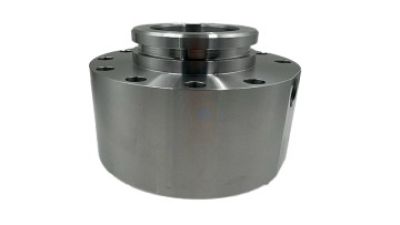
Hydraulic Cylinder Flange MPM-HCFG11: Design, Compatibility, and Reliable Performance

The Hydraulic Cylinder Flange MPM-HCFG11 is a mounting and connection component designed to help secure a cylinder while supporting pressure containment and force transfer. Its suitability depends on the cylinder’s mounting pattern, operating pressure, connection dimensions, and the material’s strength and corrosion resistance. Correct alignment and compatible sealing surfaces help reduce leakage and uneven loading, particularly in construction machinery exposed to vibration and changing loads.

Selection should begin with the equipment’s pressure range and interface specifications, then verify flange dimensions, bolt arrangement, material, and sealing method against the cylinder and system requirements. Relevant dimensional standards, such as ISO 6020-2 for 16 MPa series cylinders, can help establish compatibility, but the applicable standard must match the cylinder design. The International Organization for Standardization’s published standard provides dimensional requirements—not a substitute for checking the specific equipment configuration.

Demand for dependable hydraulic components is supported by the broader expansion of the sector: MarketsandMarkets’ *Hydraulic Cylinder Market* report projected growth from US$14.5 billion in 2023 to US$19.4 billion by 2028, at a 6.0% compound annual growth rate. For a flange, reliable performance ultimately depends on correct specification, sound installation, and inspection of fasteners and sealing surfaces under the machine’s actual operating conditions.

FAQS

What do hydraulic parts do in a fluid power system?

Pumps create flow, valves direct it, and cylinders produce linear movement. Hoses, fittings, seals, and filters connect and protect the circuit.

What should buyers check before choosing a manufacturer?

Review material certificates, dimensional reports, pressure-test records, and process controls. Ask for recent evidence, not just polished photos.

Why are accurate dimensions important?

A small mismatch can damage seals or cause leakage. Check threads, grooves, and mounting dimensions carefully.

How can buyers test a supplier before placing a large order?

Request samples or a small trial order. Compare parts under pressure and review inspection results before increasing volume.

What details matter when evaluating hydraulic cylinders?

Check honed tubes, rod finish, bore tolerance, welding, and corrosion protection. A clean test bench can reveal useful details.

How should buyers assess seals?

Confirm the seal material suits the fluid and temperature. Request hardness checks, compression tests, and batch traceability.

Are different fitting standards interchangeable?

Not always. Metric and other connection systems can differ. Verify thread standards, port dimensions, plating, and pressure ratings.

What can a low quotation leave out?

It may hide inconsistent materials, weak documentation, or limited support. The price looks good. The risk may not.

Why should production and delivery schedules be discussed?

Some suppliers may have strong machining but weaker planning during busy periods. Agree on delivery dates, safety stock, and inspection points.

What should buyers do if a supplier gives vague answers?

Pause the evaluation and ask specific questions. Record technical requirements in writing; even experienced buyers miss small details.

Conclusion

Hydraulic Parts are essential to fluid power systems, converting and controlling pressurized fluid to produce reliable movement and force. China’s manufacturing sector supplies a broad range of components, including pumps, motors, valves, control units, cylinders, seals, and fittings. These products support industries such as construction, agriculture, manufacturing, transportation, and energy, where equipment performance depends on consistent flow, pressure, and motion.

When evaluating a hydraulic parts manufacturer in China, buyers should consider product quality, engineering capabilities, material standards, production capacity, testing procedures, customization options, and after-sales support. It is also important to confirm that components meet the system’s technical requirements and can be supplied reliably over time. A careful comparison of manufacturers, backed by clear specifications and communication, can help businesses select a suitable supplier and build dependable fluid power systems.
Evelyn

Evelyn

Evelyn is a dedicated marketing professional at Qingdao Micro Precision Machinery Co., Ltd., a leading global manufacturer since 2006. With a deep understanding of the company’s core products—including high-performance hydraulic systems, precision mechanical parts, and compact mechanical equipment......
Previous How to Choose the Right Mini Excavator for Your Needs?