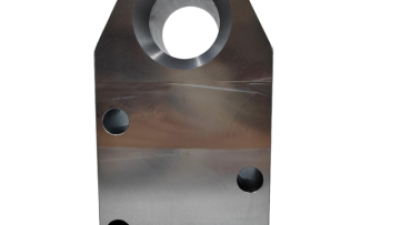
When it comes to automotive engineering, the Cylinder Headis honestly a pretty big deal for how well an engine runs. I remember Dr. Emily Johnson from Engine Dynamics Inc. mentioning once that, "Picking the right Cylinder Head can totally change how your engine behaves." That really highlights just how important it is to get a good grip on the different kinds of Cylinder Heads out there these days.
You’ve got all these options—like OHC, DOHC, and V-shaped Cylinder Heads—and each one kind of does its own thing. Honestly, it can get a little overwhelming for buyers trying to figure out what’s best. Every type has its pros and cons, you know? For instance, a DOHC Cylinder Head can make an engine more efficient, but it’s also more complicated and tends to cost a bit more.
Figuring out which one to go with definitely needs some expertise. Industry folks gotta stay in the loop on the latest innovations and trends. Because, at the end of the day, choosing the right Cylinder Head can really impact overall engine performance. It’s exciting to think about the improvements that are possible, but if you miss something important, it might cause some performance hiccups. So, it’s pretty crucial for buyers to consider every detail carefully to keep their engine running smoothly and efficiently.
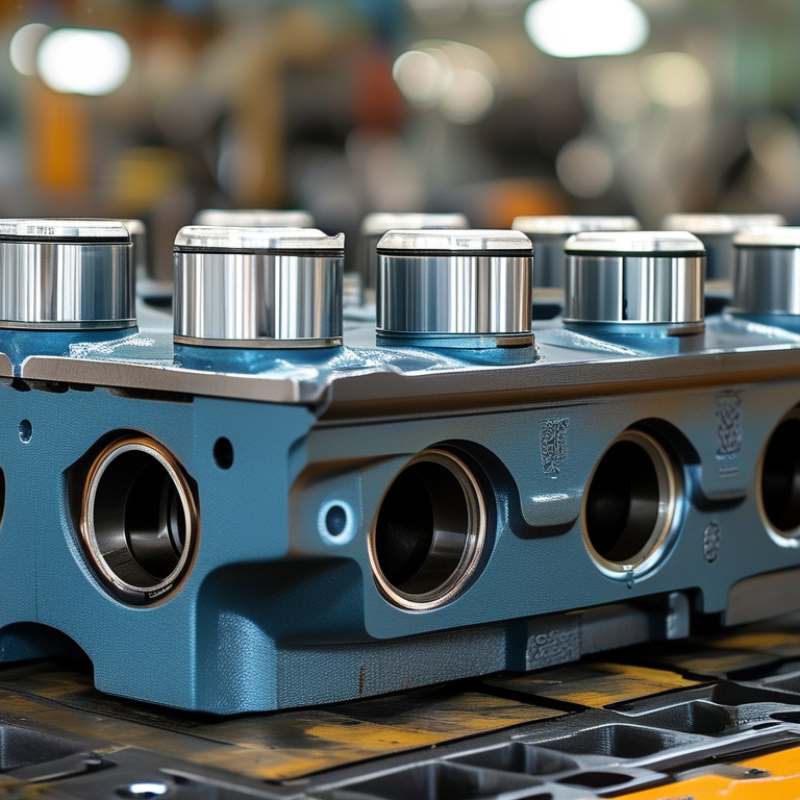
Overview of Cylinder Head Types in the Automotive Industry
Cylinder heads play a crucial role in engine performance. They house the combustion chamber and valves, influencing efficiency and horsepower. Various types exist, including aluminum and cast iron, each with unique benefits. Aluminum heads offer lighter weight and better heat dissipation. Cast iron heads provide durability but add weight. Selecting the right type is essential for specific engine designs.
The automotive industry reports indicate that cylinder head designs have evolved significantly. For instance, composite materials are emerging in race cars due to their strength and reduced weight. Understanding these advancements can guide buyers in making informed choices. A report by the Automotive Research Institute shows a growing trend towards more efficient and high-performance cylinder heads. This trend emphasizes the need for a robust Cylinder Head Gasket to ensure proper sealing and reliability.
Tips: Always consider the application. Performance engines may demand high-tech materials. Budget is also a factor; metal heads are pricier but often last longer. Be aware of potential weaknesses in different designs. Not every type suits every vehicle. Your choice will significantly impact engine longevity and efficiency.
Key Features and Benefits of Different Cylinder Head Designs
When exploring various designs of Engine Cylinder Heads, it is essential to understand their key features and benefits. Different designs significantly impact an engine's performance, efficiency, and longevity. For instance, a multi-valve cylinder head can enhance airflow. This allows for greater horsepower and torque, resulting in improved acceleration. According to industry reports, engines equipped with multi-valve cylinder heads can achieve up to 15% more power compared to traditional designs.
Another popular choice is the DOHC (Double Overhead Cam) configuration. This design promotes better valve timing and reduces engine weight. Studies show that engines with DOHC designs often exhibit higher RPM capabilities. A conventional pushRod Cylinder head, while simpler, can provide excellent reliability at lower costs. However, they may compromise performance at higher RPMs.
Each type of Engine Cylinder Head has its pros and cons. The right choice often depends on the specific needs of the application. Some designs focus on performance, while others prioritize durability and maintenance. Understanding these trade-offs is crucial for buyers. Not all designs will suit every engine type, making thorough research essential.
Common Materials Used in Cylinder Head Manufacturing
Cylinder heads are crucial components in an engine's operation. Various materials are utilized in their manufacturing. Each material comes with its unique properties and benefits.
Aluminum is a popular choice due to its lightweight and excellent thermal conductivity. This makes engines more efficient. Cast iron is another common option. It offers durability and resistance to wear, but it can add weight. Composite materials are emerging as a trend, providing strength while being lightweight.
Tips: When selecting materials, consider the engine's purpose. For performance engines, aluminum may be preferable. Standard engines might benefit from cast iron for longevity.
Another noteworthy option includes magnesium. It is lighter than aluminum and has good heat resistance. However, its cost and production complexity can be a drawback. Always assess whether the price is justified by the performance gains.
Reviewing your needs is essential. Don't overlook how the material affects overall performance. A well-informed decision will lead to better engine efficiency and longevity.
Performance Impact of Cylinder Head Types on Engine Efficiency
Cylinder head types play a vital role in engine performance. They influence airflow, combustion efficiency, and overall engine behavior. Different designs can yield various effects on power and fuel economy. Understanding these differences helps buyers make informed decisions.
For instance, a pentroof cylinder head offers better airflow than a flat head. This can enhance power output. However, it may be more challenging to manufacture. The complexity in a Cylinder Head Machine could mean higher costs for precision engineering. Furthermore, some heads are designed primarily for high performance, while others focus on efficiency. Balancing these aspects is crucial for achieving the desired results.
Moreover, the type of material used in manufacturing the cylinder head affects durability and heat dissipation. Aluminum heads are lighter but may not withstand high heat as well as iron heads. These considerations can significantly impact long-term performance. Engine builders often find it challenging to pinpoint the ideal combination for their needs. Each choice involves trade-offs that can affect reliability and efficiency over time.
Global Market Trends for Cylinder Heads: Demand and Supply Insights
The global market for cylinder heads is seeing significant trends in demand and supply. Different industries are driving the need for diverse cylinder head types. This demand stems from constant advancements in automotive engineering and the rise of electric vehicles. Regionally, emerging markets are experiencing faster growth as production expands.
Tips for buyers:
- Focus on understanding specific needs before purchasing.
- Evaluate engine compatibility and performance requirements carefully.
- Keep an eye on industry standards as they evolve.
Supply chains are adjusting to meet these demands, often highlighting regional variations. Shortages of raw materials can impact production times. Buyers should anticipate fluctuations in availability.
Tips for negotiation:
- Cultivate strong relationships with suppliers.
- Clear communication can help manage expectations.
- Consider multiple sourcing options to mitigate risks associated with supply chain disruptions.
Evaluation Criteria for Selecting Cylinder Heads for Different Applications
When selecting cylinder heads, various factors come into play. The application is crucial. For instance, racing engines often require lightweight materials. On the other hand, commercial vehicles benefit from durability and heat resistance. This means that knowing your specific needs can save you time and money.
Another aspect is the shape of the combustion chamber. Certain shapes enhance fuel efficiency, while others improve power output. This selection can affect performance significantly. Not every cylinder head suits every engine type. Understanding the engine's requirements is essential.
Materials also matter deeply. Aluminum heads are popular for their lower weight, while cast iron offers greater durability. However, aluminum can crack under extreme conditions. Balancing weight and strength is a complex task, and it requires careful thought. Each choice impacts performance, fuel economy, and longevity. The more informed you are, the better your selection will be.
Future Innovations in Cylinder Head Technology and Design
Innovations in cylinder head technology are transforming the automotive industry. The global market is projected to reach $5 billion by 2025, according to industry reports. The focus is shifting towards lightweight materials, with the Aluminum Cylinder Head gaining popularity due to its superior thermal conductivity and weight advantages. These advancements are crucial for enhancing engine performance and fuel efficiency.
Recent studies highlight the increasing role of additive manufacturing. 3D printing allows for intricate designs that were previously unattainable. It can produce complex geometries, reducing weight while improving airflow dynamics. This technology is rapidly growing, with a 25% increase in adoption rates over the past three years.
However, not all innovations are without challenges. The durability of new materials is still a concern. Manufacturers must ensure that products can withstand high stress and temperature variations. The balance between performance and reliability is delicate. Industry leaders are constantly experimenting to find effective solutions. While progress is evident, further investment in research and development is necessary to fully realize the potential of these innovations.
Enhancing Industrial Efficiency: Analyzing the Impact of Integrated Cylinder Barrel MPM-HCIB11 on Production Metrics in Manufacturing Sector
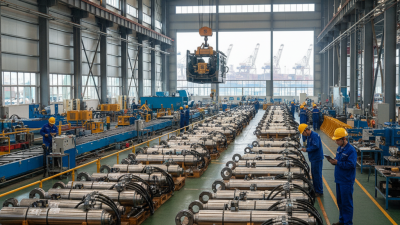
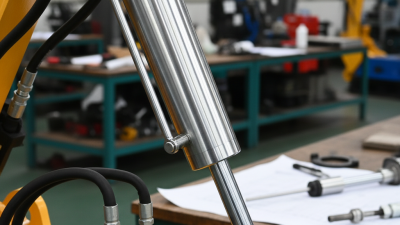
The manufacturing sector continually seeks innovations to enhance industrial efficiency and productivity. One significant advancement in this domain is the integrated cylinder barrel, particularly the MPM-HCIB11 model. This hydraulic component combines the cylinder barrel with vital fittings such as flanges and seals into a single robust unit. By reducing the number of individual components, manufacturers can streamline assembly processes and improve overall machinery reliability.
Cnc Machining plays a pivotal role in the fabrication of the integrated cylinder barrel, ensuring precise engineering and structural stability. This high level of craftsmanship helps mitigate common issues related to misalignment or wear-and-tear associated with multiple connecting parts. As a result, businesses can experience not only increased uptime but also a reduction in maintenance costs, ultimately enhancing production metrics and operational efficiency across the factory floor. Integrating such advanced components allows manufacturers to achieve higher performance standards, facilitating a more competitive edge in the ever-evolving marketplace.
FAQS
: It enhances airflow, resulting in improved horsepower and torque. This leads to better acceleration.
It reduces engine weight and promotes better valve timing, improving overall performance.
Yes, they offer excellent reliability at lower costs but may underperform at higher RPMs.
It offers better airflow than flat heads, enhancing power output but is more complex to manufacture.
Aluminum heads are lighter but may not handle high heat as well as iron heads.
The focus is shifting towards lightweight materials and additive manufacturing for intricate designs.
Durability is a concern. They need to withstand high stress and temperature variations effectively.
It allows for complex geometries, improving airflow while reducing weight significantly.
Finding the ideal combination of performance, reliability, and efficiency can be challenging and often requires trade-offs.
Continued investment is necessary to overcome challenges and fully realize potential advancements in technology.
Conclusion
The article "Top 10 Cylinder Head Types for Global Buyers Insights" provides a comprehensive overview of various cylinder head types used in the automotive industry. It highlights key features and benefits of different cylinder head designs, emphasizing how they can optimize engine performance and efficiency. The piece also discusses common materials used in manufacturing cylinder heads, shedding light on their impact on durability and weight.
Furthermore, the article delves into the global market trends for cylinder heads, analyzing demand and supply dynamics that shape the industry. It offers evaluation criteria to help buyers select the appropriate cylinder heads for specific applications, considering factors such as performance and material suitability. Finally, it explores future innovations in cylinder head technology and design, showcasing potential advancements that may improve engine efficiency and meet evolving automotive demands.