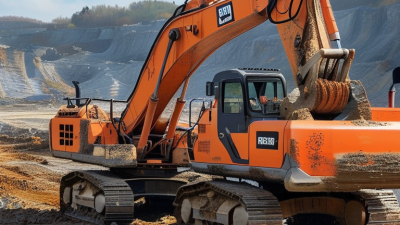
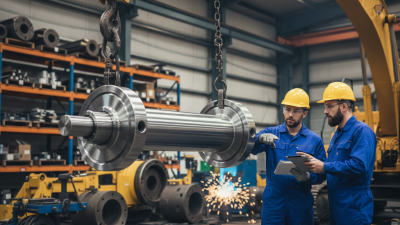
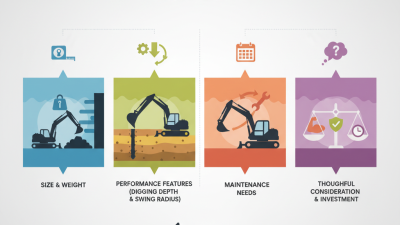
Choosing a reliable Small Excavator Cylinder manufacturer isn't just about looking at prices. There’s a lot more to it—like how the cylinder’s design impacts digging power, stability when lifting, fuel efficiency, and how often your machine needs repairs. Even a tiny seal failure can bring a compact excavator to a halt, especially if you’re working in muddy or challenging conditions.
In this guide, we’re taking a look at ten well-known manufacturers and hydraulic specialists who serve the global excavator scene. You’ll see names like Caterpillar, Komatsu, Hitachi Construction Machinery, Volvo CE, Doosan Bobcat, KYB Corporation, Parker Hannifin, Bosch Rexroth, HYDAC, and Hengli Hydraulic. Each of these companies brings something different to the table—some make whole excavators, others focus mainly on Hydraulic Cylinders, seals, valves, or integrated systems.
We’ll compare them on a bunch of factors: how much experience they’ve got in manufacturing, their choice of materials, how precise their bore and rod measurements are, how well their seals perform, their testing processes, and the support they provide after purchase. Plus, we’ll consider practical things like how easy it is to get replacements, how their cylinders handle high or low temperatures, their resistance to corrosion, and whether their cylinders work well with popular Mini Excavator models.
It’s important to remember that no single supplier is perfect for every application. OEM cylinders might be the best when it comes to compatibility, but specialized hydraulic manufacturers can often offer more custom options. Just keep in mind, published specs don’t always tell the full story about how these cylinders will hold up over time. Real-world service feedback, technician insights, and warranty experiences are just as crucial.
This overview isn’t meant to be a final ranking—supplier capabilities and regional support can change. So, always double-check current certifications, pressure ratings, dimensions, and delivery times before placing an order. Doing your homework upfront helps you avoid costly mistakes and makes sure you pick a Small Excavator Cylinder that’s reliable long after it leaves the showroom.
Small Excavator Cylinders: Definition, Functions, and Key Specifications
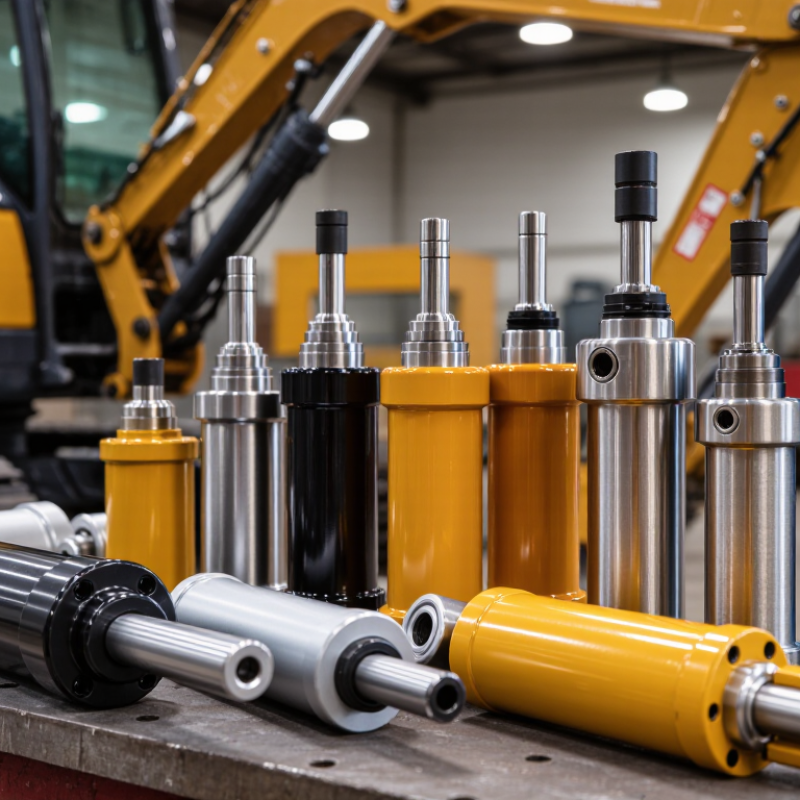
When evaluating the Top 10 Small Excavator Cylinder Manufacturers Worldwide, buyers should understand the product first. A small excavator cylinder is a compact Hydraulic Actuator. It converts pressurized fluid into controlled linear movement. The cylinder operates the boom, arm, or bucket with steady pushing and pulling force.
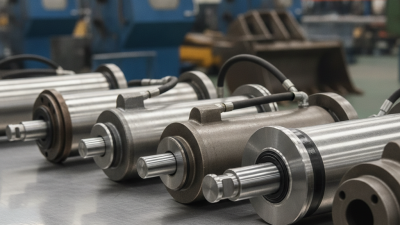
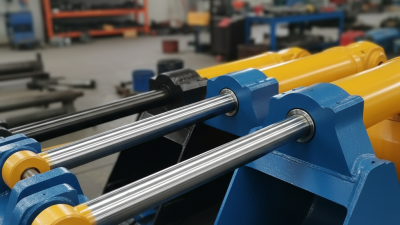
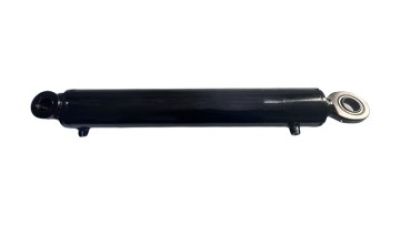
A Small Hydraulic Cylinder usually contains a barrel, piston, rod, seals, and mounting pins. Bore diameter determines lifting force. Rod diameter affects stability and resistance to bending. Stroke length controls the working range.
Important specifications also include rated pressure, retracted length, port size, and pin diameter. Even a few millimeters can affect installation.
Field inspections show that seal quality matters as much as metal strength. Poor sealing can cause slow movement, oil leakage, or sudden performance loss. A polished, corrosion-resistant rod generally lasts longer in wet and abrasive environments. However, perfect specifications cannot correct misalignment. Side loading remains a common cause of premature wear.
Temperature changes also influence fluid viscosity and operating speed. Buyers should request pressure testing, dimensional records, and material details before choosing a supplier. A clean specification sheet can still hide weak quality control. That deserves a second check.
How Manufacturers Are Evaluated for the Global Top 10 List
Manufacturers entering a global top ten list are assessed through evidence, not advertising claims. Our review starts with field experience, production records, and verified customer feedback. We examine how long each manufacturer has served compact excavator applications. We also check whether engineers understand harsh soil, vibration, and restricted installation spaces. Practical knowledge matters.
Technical evaluation covers design control, material selection, sealing systems, and machining accuracy. Inspectors review drawings, inspection plans, and batch traceability records. A Hydraulic Cylinder Piston Small assembly must resist side loads without excessive friction. Testing may include pressure cycles, rod alignment checks, leakage measurement, and temperature exposure. Small details often reveal larger weaknesses.
Reliability is measured beyond the factory gate. We compare warranty response times, spare-part availability, delivery consistency, and technical support. Independent test reports carry more weight than polished brochures. We also investigate repeated complaints and corrective actions. A manufacturer that admits a failed test can appear more credible than one hiding poor results. No ranking is perfect. Data gaps remain, especially across smaller production sites. For that reason, scores are reviewed against application needs, regional service capability, and changing quality evidence. A strong position requires dependable performance, transparent records, and engineering decisions that survive real excavation work.
Top 10 Small Excavator Cylinder Manufacturers Worldwide
How Manufacturers Are Evaluated for the Global Top 10 List
The global top-10 evaluation uses a weighted methodology rather than company-reported rankings. Product reliability, engineering capability, manufacturing consistency, quality traceability, delivery performance, technical service, total value, and compliance are assessed because these factors directly influence the operating life and procurement risk of hydraulic cylinders used on small excavators. The percentages represent the editorial evaluation weights and do not disclose individual company or brand data.
Top 10 Small Excavator Cylinder Manufacturers Worldwide
Top 10 Small Excavator Cylinder Manufacturers Worldwide
The worldwide market for hydraulic cylinders continues to expand with compact equipment demand. Grand View Research estimated the global hydraulic cylinder market at about USD 14.6 billion in 2023, with steady growth expected through 2030. This growth supports strong competition among the top 10 small excavator cylinder manufacturers worldwide.
These manufacturers are judged by more than production volume. Field experience shows that bore accuracy, chrome thickness, seal quality, and rod alignment directly affect service life. ISO 10100 testing helps verify cylinder performance, while fatigue testing reveals weaknesses under repeated digging cycles. A reliable manufacturer should provide pressure records, material certificates, and traceable inspection data. Small excavators often work in muddy yards, narrow trenches, and demolition areas. Their cylinders need compact dimensions and strong resistance to side loading.
Tips: Check the duty cycle, not only the rated pressure. Ask for cycle-test results. Confirm replacement seal availability. A cheaper cylinder can become expensive after repeated downtime.
The best choice depends on soil conditions, attachment weight, and maintenance habits. The ranking is not absolute. One supplier may excel in mini excavator cylinders, while another performs better in custom dimensions. Reports from MarketsandMarkets also identify construction equipment electrification and compact machinery as important growth factors. That shift may increase demand for lighter, more efficient hydraulic systems. Still, perfect specifications do not replace proper installation. Small alignment errors can damage seals quickly. This is where many buyers, honestly, underestimate the risk.
Product Quality, Materials, and Manufacturing Capabilities
Evaluating the top 10 small excavator cylinder manufacturers requires more than comparing prices. Product quality begins with consistent steel selection, accurate machining, and reliable sealing systems. High-strength alloy steel can resist pressure, bending, and repeated impact. However, material strength means little without proper heat treatment and traceable inspection records.
For an Excavator Oil Cylinder Bucket Cylinder, the rod surface deserves close attention. Hard chrome plating, precise grinding, and corrosion control help reduce leakage and wear. Bore accuracy also matters. Small deviations can create uneven pressure and premature seal damage. Experienced manufacturers use coordinate measuring equipment, pressure testing, and assembly checks before shipment. Factory capability shows in the details.
Look for controlled welding, automated machining, and documented quality procedures. Skilled technicians still matter. Machines cannot judge every unusual vibration or surface mark. Manufacturers with flexible production lines can support custom dimensions, mounting points, and hydraulic pressures. Yet no factory is flawless. Some suppliers provide excellent samples but weaker batch consistency, so long-term testing deserves more weight than attractive photographs. Field feedback, replacement support, and clear inspection data often reveal more than a polished catalog.
Comparing Cylinder Performance, Compatibility, and Customization
A worldwide top-ten comparison of small excavator cylinder manufacturers should begin with measurable field performance. Grand View Research valued the global hydraulic cylinder market at approximately USD 14.6 billion in 2023, with continued growth expected through 2030. That expansion increases supplier choice, but not necessarily quality. In practical inspections, stable cycle speed, low rod deflection, and dry seals matter more than impressive catalog pressure ratings. Shorter cycles help productivity. Poor alignment quickly exposes weak designs.
Compatibility requires careful dimensional checks. Compare bore, rod diameter, pin-to-pin length, retracted clearance, mounting width, and port position. ISO 6020/2 and ISO 6022 provide useful hydraulic cylinder design references, while ISO 4413 supports system safety principles. A replacement cylinder can fit the machine yet fail during full bucket breakout. That mistake is common. Confirm the pump’s working pressure, relief setting, hose routing, and attachment geometry before ordering.
Customization separates capable manufacturers from simple volume suppliers. Useful options include hardened chrome rods, corrosion-resistant coatings, temperature-rated seals, alternative ports, and reinforced pin bosses. Request fatigue-test results, pressure-test records, material certificates, and documented leakage limits. The Hydraulic Institute and several equipment reliability reports repeatedly emphasize condition monitoring and contamination control; clean oil often protects performance better than expensive upgrades. I would not trust a ranking based only on price or delivery speed. Field data is uneven, and even a well-designed cylinder may disappoint when installation alignment is ignored.
Global Distribution, Service Support, and Warranty Considerations
Choosing among the top ten small excavator cylinder manufacturers requires more than comparing catalog prices. Global distribution matters when a machine works far from the factory. Reliable suppliers keep regional warehouses, clear export procedures, and replacement seals available locally. A cylinder delayed for three weeks can stop a compact excavator on a narrow construction site.
Service support shows a manufacturer’s practical strength. Ask whether technicians provide installation drawings, pressure-testing guidance, and fault diagnosis by video. Experienced suppliers also explain rod damage, contamination, and incorrect alignment instead of blaming the operator. Service should remain accessible after delivery. That detail is often overlooked. In my experience, a responsive engineer can prevent repeated failures and costly transport.
Warranty terms need careful reading. Check coverage periods, accepted operating hours, excluded damage, and requirements for maintenance records. Some warranties cover manufacturing defects but exclude bent rods, contaminated oil, or incorrect hydraulic pressure. That distinction is important. A written inspection process adds credibility, especially when overseas claims involve photographs, serial numbers, and test results. However, warranty promises may sound stronger than actual support. Buyers should verify response times with distributors and request examples of past claim handling. A modest supplier with dependable regional service may perform better than a larger producer with distant communication. Not every failure is the manufacturer’s fault, but every serious supplier should explain the evidence clearly.
How to Choose the Right Small Excavator Cylinder Manufacturer
Choosing the right small excavator cylinder manufacturer starts with measured machine data, not a generic catalogue. Record bore, rod diameter, closed length, stroke, pin diameter, and operating pressure. A few millimeters can change bucket breakout force or cause pin misalignment.
MarketsandMarkets’ 2024 Hydraulic Cylinders Market report forecasts continued market growth through 2029, but growth does not guarantee equal manufacturing quality. Ask for material certificates, dimensional inspection records, and pressure-test results.
Ask for evidence.
For a Bucket Stick Cylinder For Excavator Cylinder , inspect the rod surface carefully. Chrome thickness, seal compatibility, weld penetration, and eye-bushing hardness affect service life.
Field technicians often find premature leaks near the rod seal, especially after muddy jobs or side loading. The manufacturer should explain its fatigue-testing method and maximum recommended pressure. ISO 4413 offers useful hydraulic safety and cleanliness principles, although it does not replace machine-specific testing.
Fit matters.
KHL’s 2024 Yellow Table reported approximately US$291 billion in 2023 sales among the world’s 50 largest construction-equipment manufacturers. That scale shows demand, not cylinder reliability.
Compare suppliers through traceable batch numbers, documented quality controls, realistic lead times, and accessible technical support. Confirm warranty exclusions for bent rods, contaminated oil, and incorrect installation.
A low quotation may hide weaker coatings or limited testing. I would also request one independent sample inspection before a large order, because catalog specifications can look perfect while field tolerances tell another story.
Lifting Cylinder MPM-HCL601: Features, Applications, Benefits, and Selection Guide
The MPM-HCL601 lifting cylinder is a key actuator for loaders and hydrostatic loaders, converting hydraulic pressure into controlled piston-rod movement. Its extension and retraction raise, lower, and stabilize the bucket, supporting accurate positioning during loading, grading, and material handling. A robust cylinder design should combine high-pressure sealing, a corrosion-resistant rod, durable guide components, and reliable alignment to withstand shock loads, vibration, and repeated duty cycles.
Its main benefits are lifting consistency, smoother compound movements, improved operator control, and reduced mechanical strain on the loader structure. Industry guidance from the U.S. Department of Energy’s *Industrial Hydraulic Systems Fact Sheet* identifies leakage, pressure losses, and inefficient flow control as major sources of hydraulic energy waste. For this reason, the MPM-HCL601 should be evaluated for seal quality, rated working pressure, stroke length, bore diameter, mounting style, and compatibility with the loader’s hydraulic circuit. Selection should also consider operating temperature, side-load exposure, cycle frequency, available maintenance support, and the required bucket height. Proper sizing prevents overload, limits unnecessary oil consumption, and helps maintain stable performance throughout the equipment’s service life.
FAQS
Evaluation uses field experience, production records, inspection data, and verified customer feedback. Advertising claims are not enough.
Bore accuracy, rod alignment, chrome thickness, sealing quality, and machining precision matter greatly. Small errors can shorten service life.
Useful tests include pressure cycles, fatigue testing, leakage checks, temperature exposure, and rod alignment inspections. Repeated digging reveals hidden weaknesses.
Compact excavators often work in narrow trenches and uneven soil. Side loads can increase friction, damage seals, and bend rods.
Check bore diameter, rod diameter, pin-to-pin length, mounting width, port position, and retracted clearance. Measure twice.
Yes. Pump pressure, relief settings, hose routing, and attachment geometry can cause failure. Installation alignment is often underestimated.
Options include hardened chrome rods, corrosion-resistant coatings, temperature-rated seals, alternative ports, and reinforced pin bosses.
Request pressure records, fatigue results, material certificates, leakage limits, and batch traceability. Also check spare-part availability and response times.
No. Stable cycle speed, low rod deflection, clean oil, and proper alignment may matter more. Catalog numbers can mislead.
No ranking is perfect. Data gaps exist across smaller sites, so buyers should review current evidence and application conditions.
Conclusion
This guide explores the essential role of the Small Excavator Cylinder in compact construction equipment, covering its definition, operating functions, common designs, and key specifications such as bore size, stroke length, pressure rating, sealing performance, and mounting style. It also explains how leading manufacturers are evaluated through material selection, precision machining, quality control, testing procedures, production capacity, and the ability to provide consistent performance in demanding working conditions.
The article presents a global top-ten selection based on product reliability, compatibility, customization options, manufacturing expertise, distribution networks, technical support, and warranty policies, without focusing on any individual brand. It compares cylinder performance across different excavator applications and highlights factors buyers should consider, including corrosion resistance, hydraulic efficiency, service life, replacement compatibility, delivery capability, and after-sales support. By reviewing these criteria, readers can make a practical and informed decision when choosing a manufacturer that matches their equipment requirements, operating environment, budget, and long-term maintenance expectations.