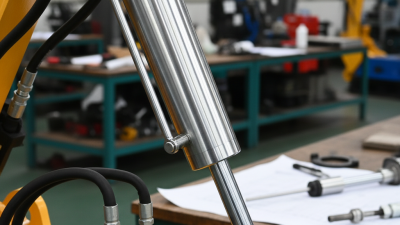
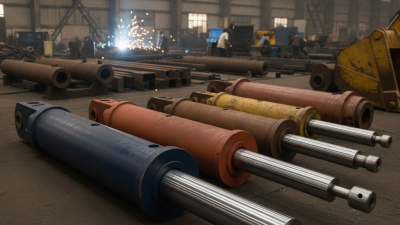
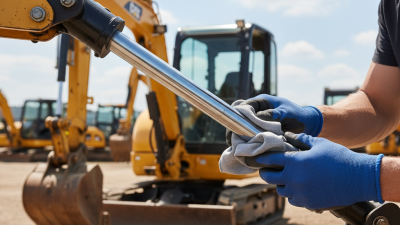
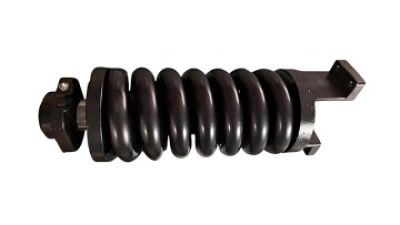
Thinking about grabbing a Small Excavator Cylinder? Well, it’s pretty clear that you’re navigating a pretty crowded field of options these days. The global market for excavator parts is booming—there’s this recent report saying demand’s climbing fast, mostly because of all the infrastructure projects happening around the world. Honestly, the construction machinery game is projected to hit about USD 145 billion by 2025. That kind of growth definitely ramps up the need for reliable, high-quality parts like Small Excavator Cylinders.
Picking the right cylinder can really make or break your efficiency on a job site. But, surprisingly, lots of buyers overlook some pretty important details—stuff like whether the part’s compatible or how durable it is. Industry pros will tell you that choosing a poorly suited Small Excavator Cylinder can lead to all sorts of headaches—more downtime, higher repair bills. That’s why doing your homework before buying is so crucial.
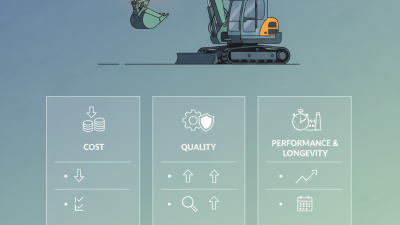
And don’t forget, shopping with reputable suppliers can give you a clearer picture of how performance stacks up, along with useful warranties. Sure, cutting costs might be tempting, but investing a little more in a well-made, engineered cylinder can actually save you money down the line. Bottom line—familiarizing yourself with specs and trusting reliable suppliers really makes all the difference when you're making a purchase like this.
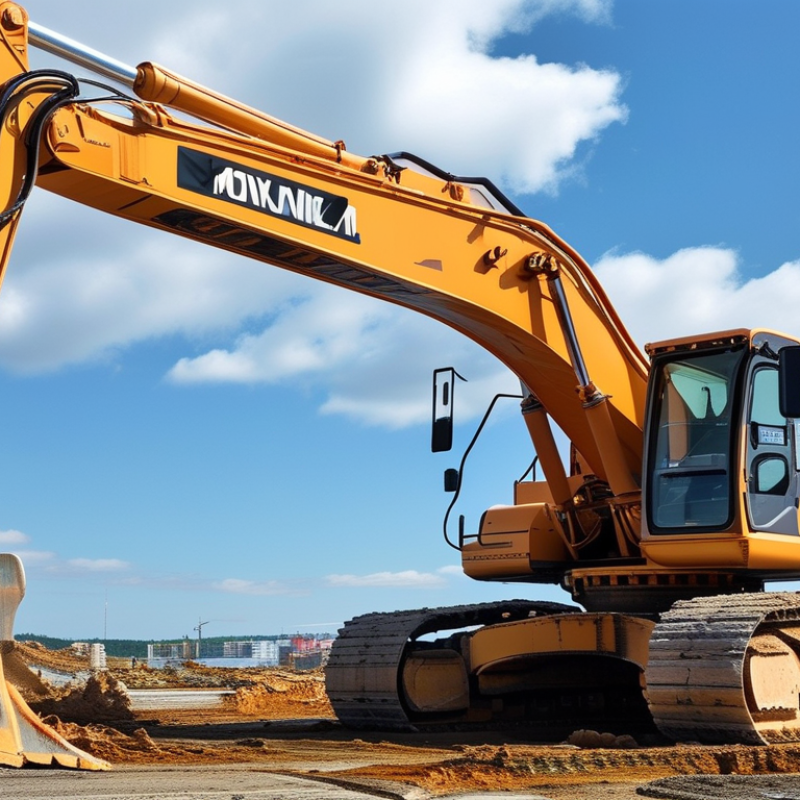
Understanding the Importance of Small Excavator Cylinders
Small excavator cylinders play a vital role in the functionality of heavy machinery. These components are responsible for transferring hydraulic power, enabling the machine to lift, dig, or perform various tasks effectively. According to industry reports, nearly 30% of excavator downtime is attributed to hydraulic system failures. Choosing the right cylinder can significantly impact performance and longevity.
Understanding the specifications of small excavator cylinders is crucial. Factors like bore size, stroke length, and pressure ratings determine their efficiency. Inadequate cylinder specifications can lead to inefficient machinery and increased operational costs. Recent evaluations show that a mismatch in hydraulic component specifications can result in up to a 15% reduction in productivity.
Regular maintenance and timely replacement of worn-out cylinders are essential. Experts recommend inspecting cylinders every 500 operational hours. Failing to do so might lead to catastrophic failures, resulting in downtime and hefty repair costs. While it is tempting to defer maintenance, the risks involved often outweigh any short-term savings. Identifying and addressing potential issues proactively can ensure smooth operation and maximize the lifespan of the excavator.
Identifying Your Excavator's Cylinder Specifications
When selecting a Small Hydraulic Cylinder for your excavator, understanding your machine's specifications is crucial. The cylinder must match your excavator's hydraulic system. Measure the existing cylinder's stroke length and diameter. These are fundamental specifications that ensure compatibility.
Consider the pressure ratings too. Your Small Hydraulic Cylinder should withstand the operational pressures of the excavator. If you are unsure about the pressure ratings, consult the manufacturer’s manual or reach out to a hydraulic specialist. This step prevents costly mistakes.
Another aspect to evaluate is the mounting style. Excavator cylinders come in various mounting configurations. Identifying the correct style ensures the new cylinder fits seamlessly. Pay attention to the pin sizes and pivot points. Remember, a small oversight in details can lead to performance issues. When in doubt, ask for professional help. A small investment in expert advice can save significant costs in the long run.
Regular inspection and maintenance can also extend the life of your Small Hydraulic Cylinder. Keep an eye on seals and fittings, as they are vital for avoiding leaks. Investing in quality and correct specifications now will enhance productivity and reduce downtime in your excavating projects.
Evaluating the Quality and Durability of Cylinder Materials
When buying a small excavator cylinder, evaluating the quality and durability of materials is crucial. The materials used in cylinder manufacturing directly impact performance and longevity. According to the Construction Equipment Manufacturers Association, using high-grade steel can increase the cylinder's lifespan substantially, with estimates suggesting a 30% improvement in durability. Factors like corrosion resistance and tensile strength are vital. Steel with a tensile strength of over 150,000 PSI generally performs better.
When examining material quality, consider the manufacturer’s certifications. ISO 9001 certified companies often adhere to higher standards. Look for cylinders made with materials that are resistant to fatigue and wear. Advanced coatings can enhance durability, but they should not compromise the cylinder's ability to withstand harsh operating conditions. A study indicated that cylinders with appropriate coatings last longer under rigorous conditions.
Inspecting the manufacturing process is another essential aspect. For instance, seamless steel tubes tend to show better reliability compared to welded alternatives. Don’t overlook the importance of maintenance. Regular inspections can catch issues before they escalate. While it may seem minor, investing time in checking seals and joints can prevent major failures down the line.
Comparing Prices and Brands for Small Excavator Cylinders
When considering the purchase of a small excavator cylinder, understanding price variations is crucial. Recent industry reports indicate that prices can range significantly based on specifications and brand reputation. For instance, basic models may start around $300, while more advanced designs can surpass $1,500. This disparity often reflects material quality, durability, and overall design efficiency.
An essential aspect to consider is brand reliability. Quality assurance is often tied to reputable manufacturers who invest in research and development. According to market analysis, brands backed by extensive warranty programs tend to offer superior performance. This emphasizes the importance of selecting a manufacturer that has proven industry experience.
While price is important, it should not solely dictate buying decisions. Many buyers report issues with less expensive models. These problems often manifest in performance inconsistencies or early wear and tear. Choosing a Hydraulic Cylinder Piston Small that offers a balance of quality and price is necessary. By carefully comparing options and considering long-term value rather than just upfront costs, you can ensure a more reliable purchase.
Tips for Assessing Cylinder Performance and Efficiency
When considering the purchase of a small excavator cylinder, assessing performance and efficiency is paramount. The hydraulic system plays a crucial role in the overall effectiveness of machinery. According to the International Journal of Machine Tools and Manufacture, a well-functioning hydraulic cylinder can improve productivity by up to 20% in excavation tasks. Thus, understanding the performance metrics is vital.
Start by evaluating the cylinder’s efficiency. Look for specifications like the stroke length and bore diameter. These details directly affect the power output. Notably, a cylinder with a larger bore diameter typically delivers higher lifting capacities. Ensure that the Excavator Oil Cylinder Bucket Cylinder is capable of handling your specific workload.
Be mindful of heat generation. Excessive heat can indicate inefficiencies, leading to potential breakdowns. Regular testing of hydraulic fluid temperatures can provide insights into performance issues. Monitoring these aspects can enhance operating lifespan. Efficiency often reflects on long-term cost savings. Investing in a reliable cylinder could yield significant returns over time.
Understanding hydraulic pressures is also critical. Variations in pressure can signal either system inefficiencies or potential faults. Maintaining proper pressure levels is essential for optimal performance. A neglected hydraulic system can fall short of expectations, reflecting the importance of regular assessments in keeping equipment trustworthy and effective.
Performance Comparison of Small Excavator Cylinders
Where to Buy: Trusted Suppliers and Online Resources
When searching for a small excavator cylinder, choosing the right supplier is crucial. Industry reports indicate that the market for construction equipment parts is expected to grow by 4.5% annually until 2025. This growth highlights the importance of sourcing quality components. Reliable suppliers often provide detailed product specifications. This transparency is key to ensuring compatibility and performance.
Online resources can be extremely helpful. Websites like industry forums and equipment marketplaces allow users to share experiences and provide insight into trusted suppliers. According to a recent survey, 65% of buyers relied on peer reviews before making a decision. Trustworthy platforms often feature customer feedback, helping you gauge the reliability of a supplier.
Considering the increasing number of online options, it’s vital to evaluate each supplier carefully. Not all may offer warranty or return policies that meet your expectations. Some may not have the best customer service, which can complicate future transactions. Engaging with industry professionals can offer clarity on which suppliers to avoid. Checking for certifications or membership in recognized bodies can also provide reassurance.
Essential Tips for Buying Small Excavator Cylinder Today
| Feature | Specification | Recommended Material | Average Price ($) | Supplier Location |
| Bore Diameter | 3 inches | Chrome Plated Steel | 150 | USA |
| Stroke Length | 12 inches | High-Strength Alloy | 200 | Canada |
| Operating Pressure | 3000 PSI | Cast Iron | 180 | Germany |
| Weight | 50 lbs | Aluminum | 130 | China |
Maintenance Tips for Prolonging Cylinder Lifespan
Maintaining the longevity of a small excavator cylinder is crucial for performance and cost-effectiveness. Regular inspections can reveal early signs of wear and tear. Check for leaks or unusual noises. Simple tasks often overlooked can make a significant difference. Ensure the cylinder is clean and free from debris. Dust and grime can cause unnecessary strain, leading to costly repairs.
Storing the cylinder properly is just as important. Keep it in a dry, cool environment away from extreme temperatures. Avoid placing heavy objects on it. Regular lubrication can also enhance performance. Use the right fluids that match the manufacturer's specifications. When dealing with the Bucket Stick Cylinder For Excavator Cylinder, follow the appropriate maintenance schedule to avoid premature failure.
Regardless of care, issues may arise over time. It is essential to recognize that not all components can be maintained effectively. Sometimes, seeking professional assistance is necessary. If problems persist, consider evaluating the overall condition of the excavator. Taking these steps can ensure the cylinder remains in optimal condition for much longer.
Enhancing Excavator and Loader Performance with the MPM-HCT401 Tightening Cylinder: Insights from Industry Reports and Trends
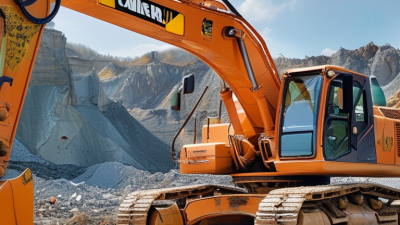
The performance of excavators and loaders plays a vital role in enhancing productivity across various construction and excavation projects. A critical component that contributes to this performance is the tightening cylinder, particularly the MPM-HCT401, which serves as a vital hydraulic element in the travel system of crawler excavators. By adjusting the tension of the crawler track, this cylinder ensures that the equipment operates in optimal conditions, safeguarding against potential issues such as derailment, tooth jumping, or excessive wear.
Industry reports indicate a growing trend towards the adoption of advanced hydraulic technologies, highlighting the importance of reliability and efficiency in heavy machinery. The tightening cylinder is designed not only to enhance the durability of the crawler tracks but also to significantly improve operational safety and efficiency. As excavators and loaders are subjected to various terrains and loads, maintaining the ideal tension is crucial. This results in smoother operations and less downtime, ultimately translating to cost savings and higher job completion rates for contractors.
Integrating high-performance components like the tightening cylinder into heavy machinery is essential for achieving superior results. As the industry evolves, the focus on quality and performance will continue to shape the future of excavation equipment, making it imperative for operators to prioritize the maintenance and upgrades of hydraulic components to keep pace with these advancements.
FAQS
: Prices can range from about $300 to over $1,500, depending on specifications and quality.
Material quality, durability, and design efficiency play significant roles in price variations.
Reliable brands often provide better performance and long-lasting quality through research and warranties.
No, lower-priced models may have performance issues and wear out quickly, which can lead to more expenses.
Regular inspections for leaks, keeping it clean, and ensuring proper lubrication can extend its life significantly.
Store it in a cool, dry place away from heavy objects and extreme temperatures to avoid damage.
Regular inspections are crucial to catch early signs of wear and tear before they become serious problems.
Seeking professional assistance is essential, as some issues may require expert attention or evaluation.
Not all components are easy to maintain; some may need professional help for proper care.
Use fluids that match the manufacturer's specifications to ensure optimal performance and reliability.
Conclusion
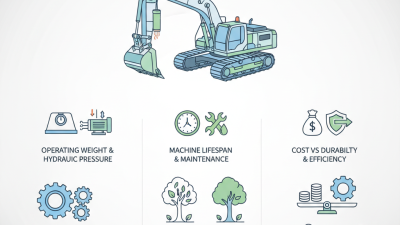
When considering the purchase of a Small Excavator Cylinder, it is crucial to understand its significance in the overall performance of your excavator. Start by identifying the specific cylinder specifications required for your machine, as this ensures compatibility and optimal functionality. Evaluating the materials used in cylinder construction will help you assess their quality and durability, which are essential for long-lasting performance.
In addition to examining product quality, comparing prices and brands can ensure you get the best value for your investment. Assessing cylinder performance and efficiency is vital to maximize productivity in your excavation tasks. To make informed purchasing decisions, seek out trusted suppliers and reliable online resources. Lastly, adopting proper maintenance practices will help prolong the lifespan of your Small Excavator Cylinder, ultimately enhancing the efficiency and reliability of your excavator.