Hydraulic Actuators, which you can check out [here](https://www.mpmmachines.com/hydraulic-actuator), are pretty much essential across so many industries. Basically, they turn hydraulic energy into mechanical movement—kind of like a push in the right direction. If you're an engineer or a technician, understanding how they work is super important.
A typical hydraulic actuator has a cylinder and a piston inside. When hydraulic fluid flows into the cylinder, it pushes the piston, which then creates a lot of force—this is especially crucial in things like construction sites or manufacturing lines. When using these things, precision and dependability are everything.
That said, picking the right hydraulic actuator isn’t always straightforward. Different jobs might need different sizes or types. You’ll want to keep in mind things like how much load it can handle and how fast you need it to move. Staying curious and learning more about these components can really help make your operations run smoother and more efficiently.
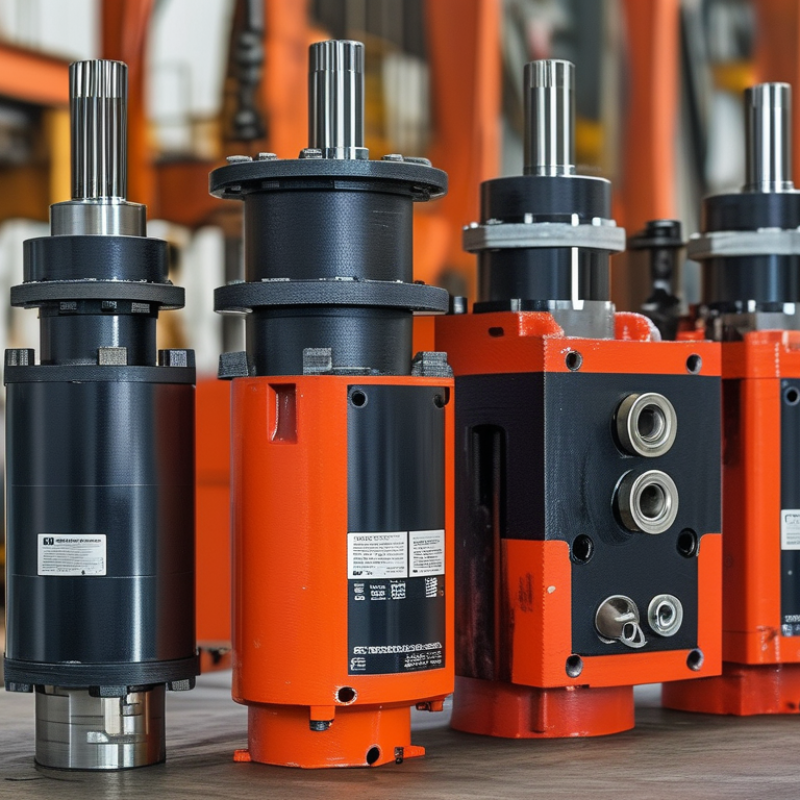
What is a Hydraulic Actuator? An Overview of Its Definition
A hydraulic actuator is a crucial component widely used in various industries. It converts hydraulic energy into mechanical motion. This device relies on pressurized fluid to produce force and movement. Typically, hydraulic actuators are used in applications requiring high power output and precise control. In manufacturing, they allow for smooth manipulation of heavy objects.
Industry reports highlight the growing use of hydraulic actuators. According to a recent study by MarketsandMarkets, the hydraulic actuator market is expected to grow from $24.48 billion in 2021 to $32.56 billion by 2026. This growth is driven by demand in sectors such as construction, automotive, and aerospace.
Despite their effectiveness, hydraulic actuators are not without flaws. They can face leakage issues, impacting efficiency. Proper maintenance is essential to ensure longevity. Operators must remain vigilant about potential performance drops. Understanding the mechanics of hydraulic systems can lead to better decisions in implementing and managing these actuators. Knowledge and experience are vital in selecting the right type for a specific application.
The Basic Components of Hydraulic Actuators and Their Functions
Hydraulic actuators are crucial in various industries. They convert hydraulic energy into mechanical energy, enabling precise movement and control. Understanding their basic components is essential for grasping their functionality.
At the heart of a hydraulic actuator are three main components: the cylinder, the piston, and the hydraulic fluid. The cylinder houses the piston. When the hydraulic fluid enters the cylinder, it pushes the piston. According to industry reports, this mechanism can generate forces exceeding several tons. The design of these components influences efficiency and performance. A poorly designed hydraulic system can lead to significant energy losses and even system failures, raising long-term costs.
Rotary Hydraulic Actuators are a specific type that provides rotational motion. They consist of gears and seals, allowing control of angular position. These actuators are widely used in manufacturing and aerospace applications. However, they require careful maintenance; failure to check seals can lead to leaks. The industry's shift towards automation emphasizes reliable performance. Ensuring that all components function optimally is vital for system longevity and efficiency.
How Hydraulic Pressure Creates Motion in Actuators
Hydraulic actuators are crucial components in many industrial applications. They convert Hydraulic Pressure into motion, enabling heavy machinery to operate effectively. The process begins with hydraulic fluid pressurized in a closed system. This high-pressure fluid is directed into the actuator, creating force.
When the hydraulic fluid enters, it produces motion through a simple principle. The fluid pushes against pistons or vanes inside the actuator. This movement can lift, push, or pull, depending on the design. In a Vane Actuator, for example, the pressurized fluid causes the vanes to rotate. This rotation translates fluid energy into mechanical energy. Each actuator type has its unique advantages and limitations.
Understanding this mechanism is vital for engineers and technicians. However, not all hydraulic systems achieve optimal performance. Leakage and pressure loss can hinder motion. Regular maintenance is necessary to ensure reliability. Sometimes the simplest designs, like a basic Vane Actuator, perform the best. It's essential to analyze and reflect on performance to enhance efficiency.
Types of Hydraulic Actuators: Linear vs. Rotary Applications
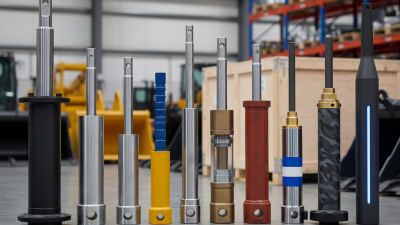
Hydraulic actuators play a crucial role in various industrial applications. They can be categorized into two main types: linear and Rotary Actuators. Linear hydraulic actuators convert hydraulic pressure into straight-line movement. These are essential in machines where pushing or pulling is required. For instance, in manufacturing, linear actuators provide precise and smooth motion control.
On the other hand, Rotary Hydraulic Actuators facilitate rotational movement. This is whereTilt Actuator technology emerges. Tilt actuators excel in applications requiring pivoting or angular adjustments. Data from industry reports indicate that rotary actuators are increasingly used in construction equipment and robotics. The flexibility they offer in maneuvering heavy loads is invaluable.
While both types have their advantages, challenges arise. Linear actuators may struggle with long-distance movement, losing precision. Conversely, rotary actuators can be limited by their torque capabilities when managing heavy loads. This dichotomy presents an area for further innovation. Understanding these nuances can help engineers and developers optimize their systems. Emphasizing the right actuator type can significantly enhance performance.
Industry Applications of Hydraulic Actuators in Machinery and Equipment
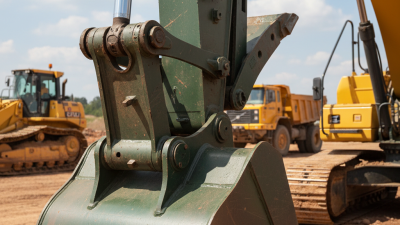
Hydraulic actuators play a crucial role in various industries. They convert hydraulic energy into mechanical motion, enabling precise control. In construction, hydraulic actuators help lift heavy machinery. For example, loaders use these actuators for digging and moving materials. Their ability to handle substantial loads makes them indispensable.
In the manufacturing sector, hydraulic actuators find use in assembly lines. They can power robotic arms for tasks like welding and painting. Angled Actuators, in particular, enable smooth and precise movements. This is essential for applications where accuracy matters. The consistent power delivered by hydraulic systems boosts efficiency in production.
However, maintaining these systems is not without challenges. Hydraulic fluid can leak, leading to performance issues. Regular inspections are crucial for ensuring reliability. Training personnel in proper handling is equally important. As technology evolves, the use of hydraulic actuators continues to expand. Yet, industries must remain vigilant about maintenance and training practices.
Hydraulic Actuator Applications in Various Industries
This bar chart represents the application frequency of hydraulic actuators across various industries. As illustrated, the manufacturing sector utilizes hydraulic actuators the most, followed by construction, automotive, agriculture, and aerospace industries.
Key Advantages of Using Hydraulic Actuators Over Other Actuator Types
Hydraulic actuators offer significant advantages compared to their electric or pneumatic counterparts. They provide exceptional force and precision in various applications. The ability to produce immense power in a compact design is unmatched. This is particularly evident in heavy machinery, where the hydraulic system can lift and move substantial loads effortlessly.
One key benefit is their responsiveness. Hydraulic actuators can adjust quickly to changes, making them ideal for dynamic environments. This immediacy enhances efficiency, especially in processes that require rapid movements. Moreover, they tend to be more robust, withstanding harsh operating conditions without losing performance. Ease of maintenance is another plus; they often require fewer components compared to other systems, simplifying repairs.
Tip: Always consider the fluid quality used in hydraulic systems. Contaminated fluid can lead to failure and increased maintenance costs. Regular checks can prevent these issues.
In certain situations, hydraulic actuators might rank lower due to potential leakage. This poses a risk in sensitive applications. It’s essential to monitor seals and systems regularly. An ounce of prevention goes a long way. Understanding these nuances helps ensure better decision-making in actuator selection.
Maintenance Practices for Enhancing the Longevity of Hydraulic Actuators
Hydraulic actuators are essential components in various industrial applications. Proper maintenance is vital for their longevity. Regular inspection and attention to detail can prevent costly downtime and extensive repairs.
To enhance the lifespan of hydraulic actuators, check fluid levels routinely. Low hydraulic fluid can lead to overheating and component failure. Ensure the fluid used is compatible with the actuator materials. Additionally, always monitor for leaks. A small leak can reduce efficiency and lead to significant issues over time.
Tips: Keep the actuator clean. Dirt and debris can cause damage. Use a soft cloth to wipe the surfaces regularly. Implement a schedule for lubrication based on manufacturer recommendations. This simple step can reduce wear and tear on moving parts.
Inspect the seals and fittings for wear. Seals protect internal components from dirt and moisture. If you notice any signs of deterioration, replace them promptly. Neglecting these checks can result in severe damage. Remember, consistency in maintenance is key to reliability.
Leveraging Industry Reports: The Critical Role of Outrigger Hydraulic Cylinder MPM-OHC12 in Crane Stabilization and Performance
The role of the outrigger hydraulic cylinder, such as the MPM-OHC12, is instrumental in enhancing crane stability and performance. As a vital component of truck cranes, the outrigger cylinder significantly contributes to safety and operational efficiency. By extending the support base of the crane, this component reduces the load on tires and enhances the overall counteract against tipping forces during heavy lifting operations. This increased stability not only protects the equipment but also ensures the safety of the operators and surrounding personnel.
In the context of crane operations, leveraging industry reports highlights the importance of having a reliable and well-designed outrigger hydraulic cylinder. A properly functioning cylinder facilitates precise maneuverability, allowing cranes to perform tasks in challenging environments with confidence. The enhanced anti-overturning stability afforded by the outrigger system also translates to improved lifting capacity, enabling operators to take on more demanding projects and increasing productivity on job sites. Thus, investing in high-quality outrigger cylinders is essential for any crane operator focused on maximizing performance and ensuring safety in various lifting scenarios.
FAQS
: Hydraulic actuators convert hydraulic pressure into mechanical motion. They enable heavy machinery to operate effectively.
They use pressurized hydraulic fluid to push against pistons or vanes, producing movement. This movement can lift, push, or pull.
The two main types are linear and rotary actuators. Each serves different movement needs in machinery.
A linear actuator converts hydraulic pressure into straight-line movement. It provides precise control in applications like pushing and pulling.
Rotary actuators facilitate rotational movement. They are ideal for applications needing pivoting or angular adjustments.
Issues like leakage and pressure loss can hinder performance. Regular maintenance is crucial for reliable operation.
Without regular checks, performance issues can occur due to fluid leaks. Maintenance ensures efficiency and reliability.
Yes, linear actuators may struggle with long-distance movement, which can impact accuracy. Reflection on performance is vital.
They help lift heavy machinery, like loaders, for digging and moving materials. Their load-handling ability is invaluable.
They power robotic arms in assembly lines for tasks such as welding. Consistent power delivery boosts production efficiency.
Conclusion
A hydraulic actuator is a device that converts hydraulic energy into mechanical motion, playing a crucial role in various industrial applications. It consists of essential components such as cylinders, pistons, and hydraulic fluid systems, which work together to create motion. The actuator operates by utilizing hydraulic pressure, resulting in either linear or rotary movement depending on its design. Hydraulic actuators are widely used in machinery and equipment across various industries due to their efficiency and power.
One of the key advantages of hydraulic actuators is their ability to generate significant force while maintaining precise control. This makes them preferable over other actuator types for demanding applications. To ensure optimal performance and longevity, regular maintenance practices should be adopted, including fluid checks and component inspections. Understanding these aspects of hydraulic actuators allows industries to leverage their capabilities effectively.