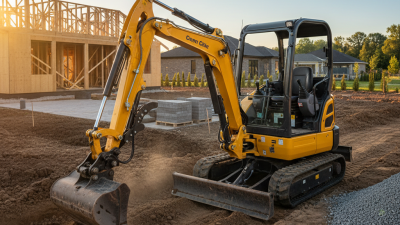
Picking out the right Mini Excavator isn’t just about flipping through a brochure — it really starts at the worksite. I mean, a tiny backyard needs totally different gear than, say, a highway drainage job. So, before you compare models, make sure to measure gate widths, check out the ground conditions, figure out how deep you need to dig, and see what your trailer can handle. I’ve seen folks go solely on engine power, and honestly, that’s a mistake that can end up costing a lot more in the long run. A compact machine might look perfect, but if it can’t lift enough or doesn’t have the hydraulic flow you need, it’s not gonna do the job right. At the end of the day, your actual work tasks should be guiding your shortlist.
Think about things like operating weight, whether it has a zero tail swing (which is great for tight spaces), bucket options, auxiliary hydraulics, comfort inside the cab, and how easy it is to get maintenance done. For example, a zero-tail-swing Mini Excavator can get close to walls without a fuss, but it might not be the most stable when lifting to the side. Rubber tracks are usually gentler on finished surfaces compared to steel tracks—though they can wear out quicker on rough terrain. Always check the manufacturer’s rated lift charts rather than just relying on sales estimates. Brands like Bobcat, Kubota, and Caterpillar publish specs, but keep in mind that attachments like a hydraulic thumb, auger, or breaker can really change the machine’s performance.
And don’t forget about after-sales support — it’s just as important as the machine itself. Ask about parts availability, how quickly technicians respond, warranty details, and whether they offer operator training. A cheaper machine upfront doesn’t always mean lower overall costs. During your demo, keep track of fuel consumption, idle times, maintenance hours, and any unexpected repairs or issues. Little details really add up. But at the same time, no checklist replaces a good ol’ site visit — chatting with an experienced dealer and personally testing out the controls makes all the difference. Remember, the biggest or newest model isn’t always the best fit. The right mini excavator is the one that ticks all your boxes — matching your soil, access, workload, and budget — without forcing you into uncomfortable compromises.
Define the Job Requirements for Your Mini Excavator
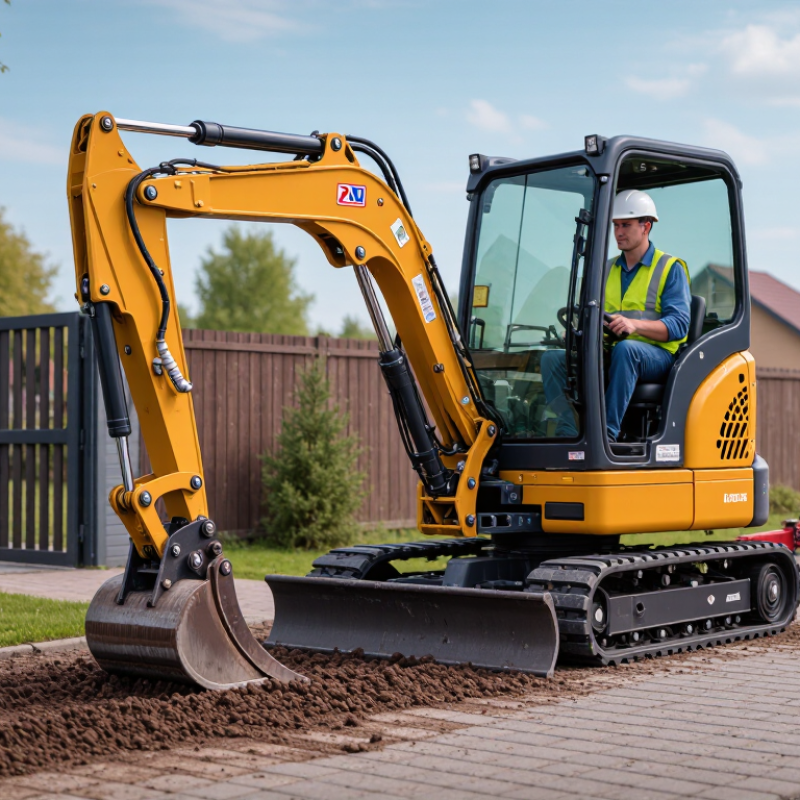
Choosing the right mini excavator starts with defining the work, not comparing machine colors or advertised features. Measure the trench depth, digging radius, and working space before contacting a supplier. A narrow backyard may require a machine under one meter wide. A drainage project may need greater reach and lifting capacity. Record these numbers on site.
Study the ground conditions carefully. Soft soil may favor lower ground pressure and rubber tracks. Rocky soil can demand stronger digging force and a suitable bucket. Check the material volume, daily operating hours, and disposal distance. If you plan to break concrete, grade soil, or move gravel, list every attachment required. An experienced operator can often identify attachment limits that specifications do not explain clearly.
Transport also affects the decision. Confirm the excavator’s operating weight, trailer capacity, ramp angle, and access route. Doorways, overhead branches, and sloped ground can create problems quickly. Safety clearances matter. So does operator comfort during long shifts. I once underestimated spoil removal time on a small drainage job, and the excavator waited more than expected. A tidy checklist can still mislead you. Leave room for changing soil, weather, and unexpected obstacles. Ask for verified load charts and maintenance records before committing. A machine that fits the job on paper may perform poorly when the site tells a different story.
Match Machine Size and Operating Weight to the Worksite
The right mini excavator starts with the worksite, not the advertised horsepower. Measure gate openings, access paths, and the distance from delivery trucks to the dig area. A compact machine may fit through a narrow gate, but its limited reach can slow production.
Match operating weight to the ground and the task. Lighter excavators reduce soil pressure on lawns, paving, and soft ground. Heavier models usually offer better stability for deeper digging, lifting, and working on slopes. Check the machine’s operating weight with the bucket, fluids, and required attachments installed. The published base figure may not reflect your actual setup.
Think about the soil, too. Wet clay can make a small machine feel unstable. Loose gravel may require wider tracks or careful travel. I once underestimated the turning space beside a foundation, and repositioning consumed valuable time. That mistake changed how I inspect jobs. Now I mark the swing radius with stakes before selecting a machine.
Leave room for uncertainty. Soil conditions can change after rain. A heavier excavator may perform better, yet it can damage finished surfaces and increase transport requirements. Confirm ground-bearing limits, trailer capacity, ramp angles, and lifting needs with qualified site personnel. A practical choice balances access, operating weight, reach, and stability rather than chasing the largest available machine.
Select the Right Digging Depth, Reach, and Lifting Capacity
How to Choose the Right Mini Excavator for Your Needs?
Select the Right Digging Depth, Reach, and Lifting Capacity
Choosing an Excavator Mini starts with the job, not the machine’s smallest price tag. Measure the deepest trench, widest working area, and heaviest load you expect to handle. A unit rated for 2.5 meters of digging depth may struggle in compact soil or sloped ground. Leave working clearance below the required depth.
Reach matters around foundations, drainage lines, and retaining walls. Check both maximum reach and reach at ground level. A long arm may access a distant trench, but it can reduce lifting strength near full extension. I have seen operators misjudge this detail beside narrow garden walls. The bucket reached the trench, but the machine could not place the soil accurately.
Lifting capacity requires extra caution. Manufacturers usually state capacity at a specific height, radius, and position. Compare those conditions with your real task, such as moving a 400-kilogram concrete ring over a short sidewall. Keep the load low while traveling, use level ground, and confirm the attachment weight before calculating payload. Hydraulic attachments also consume available lifting power. Small differences matter.
Ask for the rated lift chart and operating weight. Check ground pressure when working on soft lawns. A wider track can improve stability, though it may not fit through a 900-millimeter gate. My own estimates have been wrong when access measurements were rushed. Measure twice. Consider the awkward corner.
Compare Attachments and Hydraulic Compatibility
Choosing a mini excavator starts with the attachment, not the machine’s paint or advertised lift. A 2024 report by Fortune Business Insights projects the global mini excavator market to grow at about 5.8% annually through 2032. That growth reflects wider attachment use, including breakers, augers, grading buckets, and compactors.
Check hydraulic compatibility carefully. Compare the attachment’s required flow, operating pressure, return-line design, and coupler dimensions with the excavator’s actual specifications. A breaker may need 20–40 L/min, while an auger can demand different continuous flow and torque. More flow is not automatically better. Excessive flow can overheat oil, damage seals, and shorten component life. Hydraulic Industry standards also emphasize clean fluid, correct filtration, and controlled pressure management (ISO 4413:2010).
I once treated matching pin diameter as proof of compatibility. It was not. Measure the pin centers, bushings, auxiliary hoses, and working envelope on site. Then test the attachment under load, not only at idle. A Used Mini Excavator can offer excellent value, but its auxiliary circuit may have been neglected. Inspect oil condition, coupler wear, hose cracks, and pressure stability. The Association of Equipment Manufacturers’ 2024 market outlook continues to highlight rental and used-equipment channels as important purchasing routes. That makes maintenance records especially valuable. When records are incomplete, budget for a hydraulic inspection. Small omissions become expensive repairs.
How to Choose the Right Mini Excavator for Your Needs? - Compare Attachments and Hydraulic Compatibility
Compare typical machine specifications, attachment requirements, and hydraulic compatibility before selecting a mini excavator.
| Mini Excavator Class | Operating Weight | Typical Digging Depth | Auxiliary Hydraulic Flow | Typical Auxiliary Pressure | Suitable Attachments | Hydraulic Compatibility Considerations | Best-Fit Applications |
| Micro | Under 2,000 kg | 1.8–2.6 m | 20–45 L/min | 160–210 bar | Buckets, augers, compact breakers, grading blades, compact thumbs | Choose low-flow attachments; verify required flow, pressure, return-line restrictions, and coupler size. | Landscaping, utility trenches, residential work, confined-access projects |
| Small | 2,000–4,000 kg | 2.4–3.5 m | 35–75 L/min | 180–230 bar | Buckets, breakers, augers, compact trenchers, grapples, tilt buckets | A two-way auxiliary circuit is useful for augers and grapples; confirm whether the attachment needs case drain protection. | General construction, drainage, landscaping, light demolition, farm maintenance |
| Medium | 4,000–8,000 kg | 3.0–4.2 m | 55–120 L/min | 200–280 bar | Heavy breakers, hydraulic thumbs, augers, compactors, brush cutters, trenchers | High-flow attachments may require dedicated auxiliary pumps, larger hoses, filtration capacity, and a case-drain line. | Roadwork, site preparation, utility installation, demolition, material handling |
| Heavy Mini | 8,000–12,000 kg | 3.8–5.0 m | 80–160 L/min | 230–310 bar | Large breakers, pulverizers, hydraulic shears, heavy grapples, cold planers | Match continuous flow and pressure ratings; confirm hydraulic cooler capacity, return filtration, and electrical control requirements. | Heavy construction, demolition, foundation work, commercial landscaping |
| Long-Reach or Specialized | Varies by configuration | Above standard class range | Typically 50–120 L/min | Manufacturer-specific | Buckets, ditch-cleaning buckets, grapples, compact pumps, specialized handling tools | Prioritize attachment weight, reach-related stability, hose routing, counterweight requirements, and reduced lifting capacity. | Water management, slope work, deep drainage, environmental maintenance |
Hydraulic Compatibility Checklist
| Check Before Purchase | Why It Matters | Recommended Action |
| Flow range | Insufficient flow reduces attachment performance; excessive flow can cause overheating or component damage. | Compare the attachment’s required continuous and maximum flow with the excavator’s auxiliary settings. |
| Pressure rating | The attachment and machine must operate within compatible pressure limits. | Use the lower rated limit as the safe operating ceiling and confirm relief-valve settings. |
| Open-center or closed-center circuit | Incorrect circuit configuration can prevent proper operation or create excessive heat. | Confirm the attachment’s hydraulic circuit requirement and machine control configuration. |
| Case-drain requirement | Some motors need a low-pressure return to protect internal seals. | Install a dedicated case-drain line when specified by the attachment manufacturer. |
| Coupler and pin dimensions | Hydraulic compatibility does not guarantee mechanical fit. | Verify pin diameter, pin spacing, coupler type, attachment width, and operating weight. |
| Electrical controls | Rotators, grapples, and multi-function tools may require additional switches or proportional control. | Check connector type, control functions, voltage, and required installation kit. |
Note: Specifications are typical industry ranges for planning purposes. Always confirm the exact hydraulic flow, pressure, attachment weight, coupler dimensions, and stability limits in the machine and attachment documentation before operation.
Evaluate Power Source, Fuel Use, and Operating Comfort
How to Choose the Right Mini Excavator for Your Needs?
Evaluate Power Source, Fuel Use, and Operating Comfort
Power source should match the jobsite, not just the purchase price. Diesel models suit long outdoor shifts and remote work. Electric models reduce noise and local exhaust, which helps inside buildings or near homes. Check charging access before choosing electric power. A delayed charge can stop a productive morning.
Fuel use depends on digging depth, soil resistance, idle time, and operator habits. Ask for realistic consumption figures under working conditions, not only laboratory estimates. A smaller engine may save fuel, but it can struggle in hard clay or with continuous lifting. That trade-off matters. Operating comfort also affects productivity. Look for adjustable controls, clear sightlines, low vibration, and enough legroom. Even a compact cab can feel tiring after six hours.
Tips: Test the seat, joysticks, and visibility before buying. Run the excavator through digging, grading, and loading movements. Check access to filters, grease points, and Mini-Excavator Parts . Maintenance becomes frustrating when every service point is difficult to reach. Also compare battery charging time, fuel storage needs, and attachment demands. No option is perfect. A quiet machine may offer less working time, while a powerful model may consume more fuel than expected. Record actual daily use during the first month, then reconsider your assumptions.
Check Transport, Maintenance, Safety, and Total Ownership Costs
How to Choose the Right Mini Excavator for Your Needs?
Transport, maintenance, safety, and ownership costs often matter more than digging depth. Check the machine’s operating weight first. A compact trailer, ramps, and rated tie-downs must handle it safely. Add buckets, breakers, fuel, and attachments. The final load may exceed expectations. The U.S. Department of Transportation requires cargo securement systems to resist movement during transport. Local rules still vary, so verify them before buying.
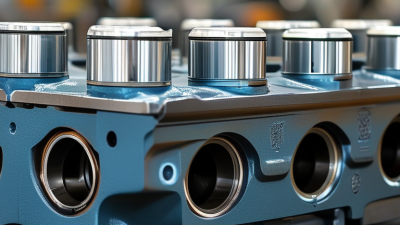
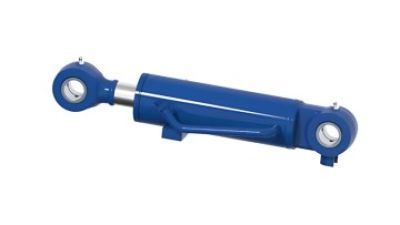
Maintenance needs deserve equal attention. Inspect the Mini Excavator Hydraulic Cylinder for oil stains, pitting, and a damaged rod. Check grease points, track tension, filters, and hose routing during a cold start. A small leak can become expensive downtime. EquipmentWatch’s 2024 market analysis identifies utilization, maintenance history, and condition as major influences on used equipment value. That supports buying service records, not just low hours. Hours can mislead.
Safety affects total cost too. The Bureau of Labor Statistics recorded 1,075 fatal construction workplace injuries in 2023. Use a rear camera, audible alarms, and clear swing-area procedures where suitable. OSHA requires equipment inspections and worker protection around hazards. Calculate fuel, scheduled service, transport, insurance, attachments, and resale loss over five years. Rental data from the American Rental Association also shows strong demand for compact equipment, but demand is not guaranteed. I would leave a repair reserve. Perfect forecasts rarely survive muddy ground.
How to Choose the Right Mini Excavator for Your Needs?
Three-year ownership planning estimates compare transport, maintenance, fuel, and acquisition costs across common mini excavator size classes. Actual costs vary by region, workload, utilization, and financing.
How to read the chart: Smaller excavators generally reduce transport and operating costs, while larger machines provide more digging capacity. Confirm trailer payload, service access, safety equipment, and expected working hours before making a purchase decision.
Small Excavator Bulldozing Cylinder: Compact Power for Efficient Earthmoving Projects
A small excavator bulldozing cylinder converts Hydraulic Pressure into controlled blade movement, giving 1–6 ton excavators greater versatility on confined earthmoving sites. Its primary functions are raising, lowering, and adjusting the blade angle, allowing operators to level soil, backfill trenches, clear loose material, and prepare surfaces after digging. By integrating grading and cleanup into the same work cycle, the cylinder can reduce machine repositioning and improve productivity where larger equipment cannot operate efficiently.
This compact capability is increasingly relevant as contractors seek higher output from smaller machines. The U.S. Census Bureau reported that total U.S. construction spending exceeded $2 trillion in 2023, reflecting sustained demand for practical site-preparation equipment. At the same time, the U.S. Bureau of Labor Statistics projects construction laborer employment to grow by about 4% from 2023 to 2033, reinforcing the value of attachments that simplify operations and reduce manual finishing work. With a properly matched bulldozing cylinder, operators can make smoother passes, maintain more consistent blade control, and handle grading or debris-clearing tasks with fewer tool changes. Its compact design also supports maneuverability in residential developments, utility work, landscaping, and other projects where precision and efficient use of space are essential.
FAQS
Measure trench depth, digging radius, working space, and expected load before comparing machines. Record the figures on site. Small errors matter.
Measure the narrowest gate and access path. A machine under one meter wide may suit some backyards, but check its reach too.
Soft soil may require rubber tracks and lower ground pressure. Rocky soil may need stronger digging force and a suitable bucket. Wet clay can feel unstable.
Use the machine’s working weight with fluids, the bucket, and attachments installed. The published base weight may be misleading. Check the surface limit.
Measure the deepest trench and widest working area. Compare maximum reach with reach at ground level. Leave clearance below the required depth.
Lifting strength often decreases near full arm extension. A bucket may reach the trench but place soil poorly. Test the awkward corner.
Review the rated lift chart for the actual height, radius, and position. Include attachment weight. Keep loads low during travel on level ground.
Confirm operating weight, trailer capacity, ramp angle, and delivery access. Check doorways, overhead branches, slopes, and the route from the truck.
List attachments for breaking concrete, grading soil, digging, and moving gravel. Hydraulic tools may reduce available lifting power. Specifications may not show every limitation.
Do not rely only on horsepower, color, or a tidy checklist. I once underestimated spoil-removal time. Weather and changing soil can disrupt good plans.
Conclusion
Choosing the right Mini Excavator starts with clearly defining the job, including the type of soil, digging conditions, workspace limitations, and expected workload. Select a machine size and operating weight that can work efficiently without damaging the site or becoming difficult to maneuver. Pay close attention to digging depth, reach, lifting capacity, stability, and overall performance to ensure the excavator can handle your projects safely and effectively.
Attachments should match your tasks, and hydraulic flow and connection requirements must be compatible with the tools you plan to use. You should also compare power sources, fuel or energy consumption, operator comfort, visibility, and control features. Before making a final decision, consider transportation needs, routine maintenance, safety equipment, service accessibility, and long-term ownership costs. A well-balanced choice will improve productivity, reduce downtime, and provide reliable value throughout the machine’s working life.