Leave Your Message
0%

Picking out the right Truck Crane Cylinder isn’t just about choosing the biggest bore or the highest pressure rating—that’s a common misconception. Honestly, it’s more about matching the cylinder to what the crane really needs in terms of load, shape, how often it’s used, and the hydraulic system it’s part of. If you pick wrong, you might notice it as sluggish boom movements, overheating, uneven wear, or even a cylinder that just won’t fit properly in its mounting points.

There’s a bit of advice from a fictitious composite specialist named Alex Morgan—he suggests, “Match the cylinder to the crane’s actual working conditions, not just its labeled capacity.” Keep in mind, that’s just a sample quote, not an official industry expert talking. When you’re ready to buy, always double-check the specs with the crane manufacturer or consult a qualified hydraulic engineer—they really know their stuff.

This guide walks you through what to look out for: make sure to check the rated pressure, bore and rod diameters, stroke length, retracted length, pin sizes, seals, and port connections. Don’t forget to measure the space between the mounting pins too, and take a look at the equipment’s service documentation—details matter more than you might think. A few millimeters here and there can impact the fit, and the wrong stroke could mess with how smoothly the boom moves. Things like operating temperature, dirt contamination, and how often the cylinder cycles also play a big role in how long it will last. These checks will help you narrow down your options, but they shouldn’t replace a proper, model-specific engineering review.

Choosing the right cylinder isn’t always straightforward. One that looks perfect on paper might turn out to perform badly in dusty, tough conditions. So, always base your comparisons on verified dimensions and actual operating data—don’t just go by prices or warranties. The sections ahead give you a practical framework to evaluate a Truck Crane Cylinder without relying on a single specification as the final answer.
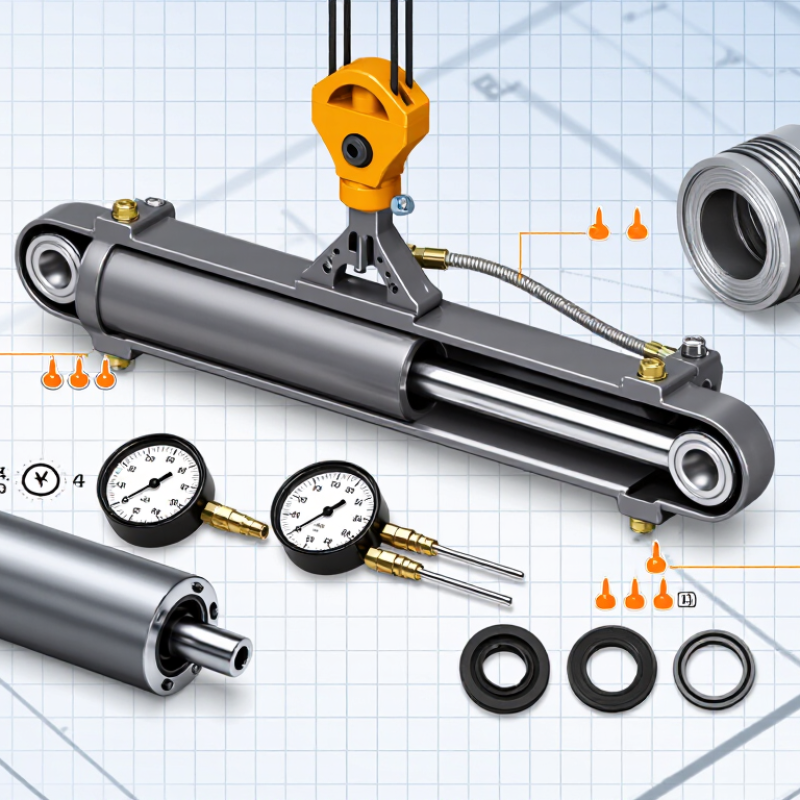
How to Choose the Best Truck Crane Cylinder in 2026?

Understand the Role of a Truck Crane Cylinder

A truck crane cylinder turns Hydraulic Pressure into controlled movement.The boom-luffing cylinder changes boom angle; telescopic cylinders extend sections; Outrigger Cylinders level and support the chassis. Each has a different duty. A cylinder that moves smoothly while unloaded may behave differently under a suspended load.

Bore, rod diameter, stroke, mounting points, and working pressure must match the crane’s design. The rod needs enough resistance to bending, while seals must keep oil contained through repeated cycles. Dirt on a rod can score seals, so inspect for scratches, leaks, and uneven movement. Small details matter.

CPWR’s 2011–2017 construction crane fatality bulletin recorded 297 crane-related deaths, roughly 42 per year; this figure is not specific to cylinder failures, but it underscores why sound equipment checks matter.

Not pressure alone. Check the manufacturer’s load charts and service records, and ask a qualified technician to assess abnormal drift or jerky motion. I’d also resist choosing by dimensions alone: that shortcut can overlook mounting loads and operating conditions.

Define the Crane’s Load, Reach, and Operating Conditions

Before choosing a truck crane cylinder, define the heaviest planned lift, including the hook block, slings, and other rigging. Check the crane’s load chart at the intended boom angle and working radius. A load that seems modest near the truck can demand much more force when the boom reaches farther. Small details matter.

Record the required boom movement and cylinder stroke, then compare them with the crane’s approved geometry and hydraulic pressure. The cylinder must deliver the needed force throughout its travel, not just at one position. Check mounting-pin locations and alignment, too. Side loading can damage seals and wear the rod unevenly. Never treat a rough force estimate as a substitute for the crane’s rated data.

Describe the real worksite. Will the crane lift repeatedly through a full shift, sit idle between jobs, or operate in cold mornings, rain, and gritty dust? Those conditions affect seals, lubrication, corrosion protection, and service intervals. A clean spreadsheet can miss a muddy access road or frequent short cycles. I would verify the operating details with the crane’s technical documentation or a qualified service professional before specifying a replacement cylinder.

Select the Cylinder Type and Required Force and Stroke

Choose the cylinder type to match the crane’s movement. A telescopic cylinder suits a boom that must extend in stages and fit within a compact transport profile. Single-stage cylinders often suit lifting or stabilizing tasks with a fixed travel path. Check whether the circuit requires single-acting or double-acting operation; the choice affects retraction control and plumbing. ISO 4413:2010 provides hydraulic-system design guidance, including requirements for safe operation and pressure control. Keep it nearby during specification.

Size force and stroke from the actual load case, not the crane’s headline capacity. For example, at 25 MPa, a 100 mm bore produces about 196 kN of theoretical extension force, before friction and other losses. That is a calculation, not a rated working force. Allow for changing boom angles, linkage geometry, pressure losses, and the cylinder’s buckling limit. Measure the required stroke between fully retracted and fully extended pin centers, then verify the available installation space. Small details matter.

A neat spreadsheet can still miss a tight hose bend or a side load at the rod end. I have seen stroke figures copied from drawings without checking the real mounting points. Recheck them on the machine. Select a Hydraulic Truck Crane Cylinder with rated pressure, bore, rod diameter, stroke, and mounting style matched to the duty cycle, then confirm the figures against the crane’s load chart and service documentation.

Check Pressure Ratings, Materials, Seals, and Safety Features

Choosing a Crane Cylinder starts with its pressure rating, not its advertised lifting capacity. Match the cylinder’s working pressure to the truck’s hydraulic system and the load chart. Check the machine manual, including pressure limits and mounting dimensions. A cylinder that fits but operates beyond its rating can fail under load. Small details matter. Allow for repeated cycles, temperature changes, and pressure spikes, not just one lift. The highest rating is not automatically the best choice; excess capacity may add weight or cost without improving the setup. I would double-check that assumption against the actual duty cycle.

Material choice affects service life. A corrosion-resistant rod and a well-protected cylinder tube can help where rain, road grit, or wash water are common. Inspect the rod surface for scratches, since damaged finishes can wear seals quickly. Seals should suit the hydraulic fluid and expected temperature range. A good fit on paper may still leak if contamination enters during installation. That part is easy to overlook. Look for practical safety features, such as load-holding valves and protection against hose failure, where the system design requires them. Check for leaks, loose connections, and uneven movement during routine inspections. If the cylinder drifts or feels jerky, stop and investigate rather than assuming it will settle.

How to Choose the Best Truck Crane Cylinder in 2026? - Check Pressure Ratings, Materials, Seals, and Safety Features
Selection Dimension What to Check Practical Selection Guidance Why It Matters
Working Pressure Rated working pressure, system relief-valve setting, and pressure peaks during operation. Match the cylinder’s rated working pressure to the crane hydraulic system and the crane manufacturer’s specification. Mobile hydraulic systems commonly operate in the range of roughly 200–350 bar, but this is not a universal cylinder rating. A cylinder rated below the actual system pressure may fail; excessive pressure can also damage hoses, seals, and valves.
Proof and Test Pressure Manufacturer’s documented test procedure and applicable design or inspection requirements. Use the specified proof-test value and procedure for the exact cylinder design. Do not infer a safe test pressure from working pressure or apply an unapproved field test. Proof testing verifies structural integrity under controlled conditions; incorrect testing can cause damage or serious injury.
Load, Bore, and Rod Size Required force, cylinder bore, rod diameter, mounting geometry, and side-load exposure. Have the cylinder sized for the crane’s specified load cases and geometry. Theoretical extension force is approximately pressure × piston area; the rod-side force is lower because of the rod area. Incorrect sizing can reduce lifting or stabilizing performance, increase stress, or lead to buckling and premature wear.
Stroke and Retracted Length Required travel, available installation space, and clearance through the full operating range. Confirm both stroke and pin-to-pin dimensions against the crane drawings. Check for interference at fully extended and fully retracted positions. A stroke mismatch can limit crane movement or cause damaging contact with surrounding structure.
Tube and Rod Materials Material specification, strength, surface condition, corrosion protection, and compatibility with the duty cycle. Look for documented material properties and suitable finishes. The piston rod should have a durable, smooth surface; exposed equipment may need additional corrosion protection. Material and surface quality affect fatigue life, corrosion resistance, seal wear, and resistance to mechanical damage.
Seal Compatibility Hydraulic-fluid type, operating temperature, pressure, contamination level, and seal material. Confirm seal compatibility with the specified fluid and temperature range. Common seal materials include nitrile rubber, polyurethane, and fluorocarbon compounds; suitability depends on the exact formulation and application. Incompatible or worn seals can cause leakage, pressure loss, erratic movement, and contamination ingress.
Safety Valves and Load Holding Required load-holding or motion-control devices, such as counterbalance or pilot-operated check valves. Follow the crane manufacturer’s hydraulic design. Verify that valves are correctly rated and installed for the cylinder circuit; they do not replace safe operating procedures. Appropriate circuit protection helps control movement and reduce the risk of uncontrolled descent if a line or component fails.
Mounting and Alignment Pin dimensions, bearing type, allowable articulation, and alignment through the full stroke. Match mounting points and use the specified pins and retainers. Avoid forcing the cylinder into alignment or using it to compensate for bent structures. Misalignment introduces side loads that can damage the rod, gland, bearings, and seals.
Environment and Service Life Exposure to water, dust, road salt, impact, vibration, and expected operating cycles. Select suitable corrosion protection and contamination controls. Inspect the rod surface and check for leaks, loose mountings, and damaged hoses at the intervals specified for the crane. Environmental exposure and poor maintenance can accelerate corrosion, contamination-related wear, and fatigue.
Documentation and Compliance Drawings, rated specifications, compatible replacement details, inspection guidance, and traceable test records. Confirm the cylinder is approved for the crane application and matches the required dimensions and ratings. Use qualified personnel for installation, testing, and repairs. Verified documentation helps prevent unsuitable substitutions and supports safe inspection and maintenance.
Important: Actual cylinder ratings, materials, seals, and safety-device requirements vary by crane model and application. Always use the crane manufacturer’s specifications and the cylinder supplier’s documented limits; never work beneath an unsupported load.

Confirm Fit with the Crane’s Hydraulic System and Mounting

A Loader Crane Cylinder must match more than the crane’s rated capacity. Check the hydraulic schematic for operating pressure, flow, port size, and hose connection type. Then compare the cylinder’s bore, rod diameter, stroke, and closed length with the existing unit. A 10% increase in bore creates about 21% more piston area, so a seemingly small change can alter force and system behavior. The calculation is useful, but it does not replace the crane’s own pressure and load data.

Mounting deserves equal care. Measure pin diameter, pin-center distance, clevis width, and available swing clearance on the actual crane; paint, wear, or bent brackets can hide a mismatch. ASME B30.5 addresses mobile-crane operation and capacity, while ISO 4413 sets safety requirements for hydraulic systems. Use those standards alongside the crane’s load chart and service records, not as substitutes for model-specific dimensions. Check whether the cylinder retracts fully without binding and whether hoses remain clear through the full boom movement. Small details matter. A catalog match can still be wrong. If pressure ratings or mounting measurements are uncertain, pause and verify them with a qualified hydraulic technician before installation.

Compare Quality, Certification, Service Life, and Support

Choosing a truck crane cylinder means looking beyond its rated force. Check the tube, rod, welds, and seals for consistent finish and clear inspection records. Ask how pressure testing is performed and whether results are documented for the specific cylinder. Small details matter. A rough rod surface can wear seals faster, while poor alignment may cause uneven loading during repeated lifts.

Certification should match the cylinder’s intended duty and the equipment requirements. Request traceable material records, test reports, and clear identification of the applicable standards. A certificate is useful, but it does not replace checking dimensions, mounting points, and operating pressure against your crane. For a Luffing Cylinder Crane, confirm the stroke and connection geometry carefully; a mismatch can limit boom movement even when the cylinder itself appears well made.

Service life depends on load cycles, oil cleanliness, temperature, and maintenance—not just the advertised design life. Ask about seal replacement intervals, available repair parts, and realistic inspection guidance. Support matters when a crane is down. Confirm response times, technical documentation, and whether troubleshooting help is available after installation. One lesson from field maintenance: records are often incomplete. Keep your own service log, even if it feels tedious.

How to Choose the Best Truck Crane Cylinder in 2026

Suggested evaluation weights for comparing cylinder suppliers

This is a suggested buyer-priority model, not a universal industry benchmark. Compare documented material and manufacturing quality, verify that certificates apply to the relevant product or facility, and request service-life test data under stated operating conditions. Also check warranty terms, spare-parts availability, and technical support response arrangements.

How Small Excavators Use Bulldozing Cylinders for Precise, Reliable Performance

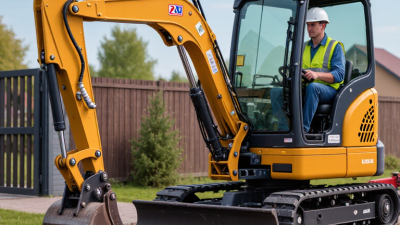
On a small excavator, the bulldozing cylinder gives the dozer blade controlled movement for everyday site work. Designed for excavators in the 1–6 ton range, it manages the blade’s lifting and angle adjustment, helping the operator position it to suit the ground and task. Smooth, responsive cylinder movement makes it easier to place the blade accurately, whether clearing loose material or preparing an area after digging.

This control is especially useful for land leveling and site cleanup, where small adjustments can make a noticeable difference to the finish. The operator can raise the blade when repositioning the machine, then lower or tilt it as needed to move soil and tidy the work area. By adding a practical blade-control function, the bulldozing cylinder helps a compact excavator handle more tasks efficiently while supporting steady, reliable performance across changing ground conditions.

FAQS

How should I determine the required crane cylinder force?

Start with the heaviest planned lift, including the hook block, slings, and other rigging. Check the load chart at the intended boom angle and working radius. A modest load can require much more force when the boom reaches farther. Do not rely on rough estimates alone.

Why do boom reach and cylinder stroke both matter?

Record the required boom movement and cylinder stroke, then compare them with the crane’s approved geometry. Confirm mounting-pin locations and alignment. A cylinder may fit yet restrict boom movement. Small details matter.

What operating conditions should I include when choosing a cylinder?

Consider work cycles, idle periods, cold mornings, rain, and gritty dust. These conditions affect seals, lubrication, corrosion protection, and service intervals. Muddy access roads count, too. I might overlook that on a spreadsheet.

How do I check whether a cylinder’s pressure rating is suitable?

Match its working pressure to the truck’s hydraulic system and documented pressure limits. Allow for repeated cycles, temperature changes, and pressure spikes. The highest rating is not automatically the best choice; extra capacity may add weight or cost without helping.

Which materials and seals should I check?

Look for a protected tube and a corrosion-resistant rod if rain, road grit, or wash water are common. Check that the seals suit the hydraulic fluid and temperature range. Inspect the rod for scratches. They can wear seals quickly.

What safety features and warning signs should I look for?

Check for load-holding valves and hose-failure protection where the system design requires them. During routine inspections, look for leaks, loose connections, and uneven movement. If the cylinder drifts or feels jerky, stop and investigate. Do not assume it will settle.

What quality records should I request?

Ask for documented pressure-test results, traceable material records, and clear identification of applicable standards. Also inspect the tube, rod, welds, seals, dimensions, and mounting points. A certificate helps, but it does not replace checking fit and operating pressure.

How can I plan for service life and support?

Service life depends on load cycles, oil cleanliness, temperature, and maintenance. Ask about seal replacement intervals, repair parts, inspection guidance, and troubleshooting support. Keep your own service log. Records are often incomplete, and that is worth remembering.

Conclusion

Choosing the best Truck Crane Cylinder in 2026 starts with understanding its role in lifting, extending, or stabilizing the crane. Begin by defining the loads it must handle, the required reach, and the conditions in which the crane will operate. These details help determine the appropriate cylinder type, lifting force, and stroke length, while allowing for the demands of frequent use or challenging work environments.

Before making a selection, check that the cylinder’s pressure rating, materials, seals, and safety features suit the application. Confirm that its dimensions, mounting points, and hydraulic connections are compatible with the crane’s system. Finally, compare build quality, relevant certifications, expected service life, and available technical support. A careful assessment of these factors can help you choose a dependable cylinder that fits the equipment and performs consistently over time.


Clara

Clara

Clara is a seasoned marketing professional at Qingdao Micro Precision Machinery Co., Ltd., a leading global manufacturer of high-performance hydraulic systems, precision mechanical parts, and compact mechanical equipment such as mini excavators and forklifts. Since joining the company, she has......
Previous Who Are the Top Hydraulic Parts Manufacturers in China?