Electric Forklift Trucks are really shaking up how warehouses and logistics operations are run all around the world. As more companies look for machinery that's not only efficient but also eco-friendly, it's clear that the market is responding. Industry expert John Smith put it nicely when he said, "The Electric Forklift Truck isn’t just a passing trend — it’s becoming a must-have for businesses that want to stay ahead of the curve."
In China, some big-name manufacturers like BYD, Hangcha, and Hyster-Yale are leading the way. They’re constantly innovating, making sure their electric forklifts are built tough and perform well, all while keeping sustainability in mind. Each brand has its own strengths, but they all share the same goal: making operations smoother and more efficient.
That said, it’s not all smooth sailing. There are still challenges, like battery life and the availability of good charging infrastructure. Plus, understanding the ins and outs of the market can get pretty complicated. Buyers really need to stay informed if they want to pick the right forklift for their needs. So, choosing the perfect electric forklift isn’t just about picking a brand — it’s about weighing up what each manufacturer offers and figuring out what fits best for your specific situation.
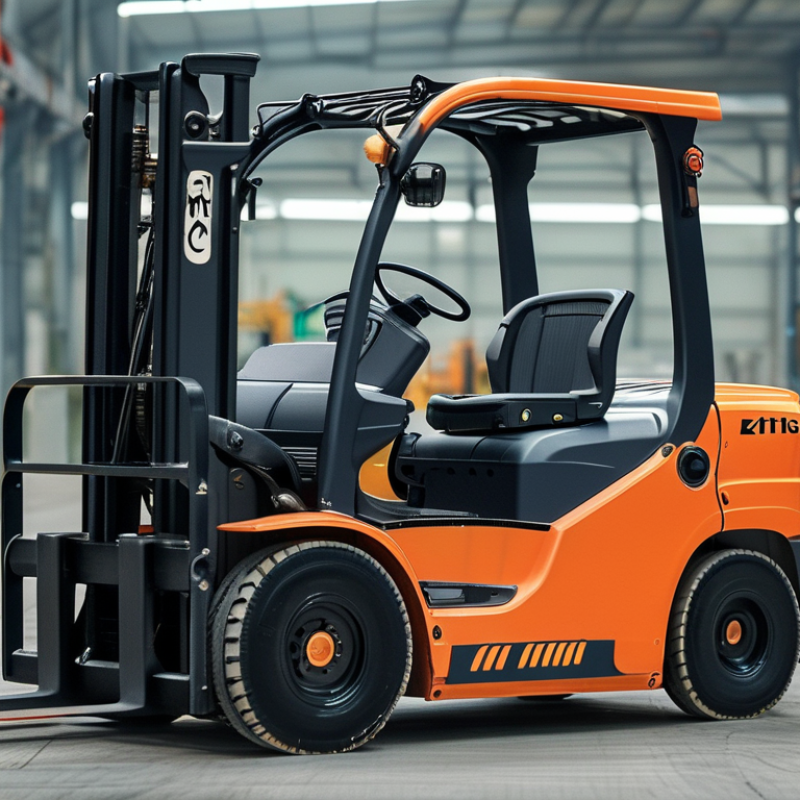
Overview of the Electric Forklift Market in China
The electric forklift market in China has shown significant growth in recent years. This growth is driven by the increasing demand for sustainable and efficient material handling equipment. Many industries are shifting toward electric solutions due to their lower environmental impact compared to traditional internal combustion forklifts. The transition is particularly visible in logistics and manufacturing sectors.
Manufacturers in China have been investing heavily in technology and innovation. The focus is on enhancing battery efficiency and extending operational hours. Many electric forklifts are now equipped with advanced features, such as smart monitoring systems and ergonomic designs. These features improve safety and productivity in warehouses and manufacturing plants. However, it is essential to consider the available charging infrastructure, which can still be a challenge in some regions.
While the market is promising, some potential buyers may find it difficult to choose the right electric forklift. This stems from the vast number of options available and varying specifications. Research and thorough comparisons are crucial to ensure that businesses meet their specific needs. Factors such as load capacity, lift height, and battery life should be evaluated carefully before making a purchase. Therefore, engaging with industry experts can lead to better decisions, especially when investing in electric forklift technology.
Key Players in the Chinese Electric Forklift Industry
The Chinese electric forklift industry is a dynamic market, crucial for global supply chains. In 2022, the market size reached approximately $4 billion, with a projected annual growth rate of 6% through 2028. This growth reflects increasing demand for efficient material handling solutions. Electric forklifts are becoming the preferred choice due to their lower emissions and operational costs.
Key players in the industry are advancing technology. They focus on developing Electric Rotary Actuators for enhanced performance. The integration of IoT and AI has led to smarter forklifts, improving operational efficiency. Research shows that companies investing in these technologies report up to 20% higher productivity. However, some manufacturers struggle with supply chain disruptions. This has affected timely delivery, which is vital for customer satisfaction.
Moreover, battery technology is evolving. New lithium-ion batteries offer longer operational hours and reduced maintenance. Yet, the initial investment remains a barrier for smaller companies. The ongoing reliance on traditional technologies creates an uneven playing field. Thus, evaluating the sustainability of these innovations becomes essential for future growth.
Market Share Analysis of Top Electric Forklift Manufacturers
The electric forklift truck market in China has seen significant growth in recent years. According to a report by the China Industrial Truck Industry Association, the market share of electric forklifts reached approximately 40% in 2022, reflecting a shift towards greener logistics solutions. This trend is driven by the increasing demand for efficient warehouse operations and the need to reduce carbon emissions.
In 2023, leading manufacturers accounted for a significant portion of the market. Companies in China produced over 120,000 electric forklifts, showing a 15% increase from the previous year. The emergence of advanced technologies in electric forklift design has also influenced this market shift. Battery innovations and smart technologies improve operational efficiency and safety.
However, challenges remain for companies seeking to capture global markets. Many manufacturers face competition from established international brands. Moreover, the quality of some domestic forklifts raises concerns for international buyers. This factor could hinder the potential expansion of Chinese manufacturers worldwide. Addressing these shortcomings is crucial for enhancing credibility and meeting global standards.
Technological Innovations in Electric Forklift Trucks
Electric forklift trucks have seen significant technological advancements in recent years. These innovations focus on enhancing efficiency and sustainability. Battery technology has improved, offering longer operating times and quicker recharge cycles. This helps businesses reduce downtime. However, the cost of new battery systems can be high, posing challenges for some operators.
Another notable advancement is in automation. Many electric forklifts now come with smart technology. Features like collision detection and automatic guided systems increase safety in busy environments. But, integrating these systems requires training. Operators need to adapt to new processes and technology.
Data analytics and telematics are also becoming essential in fleet management. By monitoring usage patterns, companies can improve maintenance schedules and operation efficiency. Still, relying heavily on data can sometimes lead to information overload. Companies must find a balance between data-driven decisions and human insights.
Global Export Trends of Chinese Electric Forklifts
The global demand for electric forklifts has surged in recent years. Chinese manufacturers are at the forefront of this trend. Their production capacities are vast, catering to various sectors, from logistics to manufacturing. This rapid growth is driven by the increasing focus on sustainable practices. Companies worldwide seek electric forklifts to reduce emissions and improve efficiency.
Export trends reveal that Chinese electric forklifts are gaining popularity in markets across Asia, Europe, and North America. Many buyers appreciate the blend of affordability and technology in these machines. However, some concerns linger about quality control and after-sales service. Potential buyers often worry about long-term maintenance support. It is essential for customers to evaluate their options carefully. They should consider both the initial investment and ongoing operational costs.
Another aspect worth noting is the shifting regulatory landscape. As countries impose stricter environmental standards, the demand for reliable electric options will increase. Manufacturers must adapt swiftly to these changes. Effective communication with distributors is crucial for navigating these evolving market conditions. Buyers need to remain informed about trends, ensuring they make sound decisions in their investments.
Regulatory Environment Impacting Forklift Manufacturing in China
The regulatory environment in China significantly influences the electric Forklift Truck manufacturing industry. Recent changes in government policies focus on environmental protection and technological advancement. Stricter emission standards encourage factories to adopt cleaner technologies. As a result, manufacturers are prioritizing energy-efficient designs and alternative energy sources. This shift not only impacts production costs but also influences market competitiveness.
Additionally, there is growing scrutiny on supply chain practices. Regulations around labor rights and material sourcing demand transparent operations. Manufacturers must ensure compliance while maintaining efficiency in forklift truck production. This can lead to increased operational costs, affecting pricing strategies. Understanding these dynamics is crucial for global buyers looking to source electric forklifts from China. They must navigate a complex landscape shaped by evolving laws and consumer expectations. Uncertainties surrounding compliance can result in challenges. The balance between adhering to regulations and meeting market demands continues to require careful consideration.
Future Projections for Electric Forklift Demand in Global Markets
The demand for electric forklifts is rapidly increasing in global markets. As industries focus on sustainability, electric options offer a cleaner alternative to traditional models. Many companies are finding that electric forklift trucks not only reduce emissions but also lower operational costs. However, the initial investment can be daunting for some businesses. Transitioning from diesel to electric requires careful consideration of battery life and charging infrastructure.
Future projections suggest that the market for electric forklifts will grow significantly. Research indicates that innovation in battery technology will enhance performance and reduce downtime. Companies might find it beneficial to work closely with suppliers to understand the latest advancements. Yet, there's a learning curve. Not all employees may be comfortable with new technology initially.
As electric forklift trucks become more common, the industry will face challenges. Integration into existing operations is one such hurdle. Some businesses may struggle to adapt their logistics to accommodate the new technology. Continuous training and improvement will be crucial to overcoming these obstacles. The potential for growth is immense, but only if companies remain committed to evolving alongside these innovations.
Projected Electric Forklift Demand in Global Markets (2023-2028)
FAQS
: The market size reached approximately $4 billion in 2022.
The projected annual growth rate is 6% through 2028.
Electric forklifts have lower emissions and operational costs, making them increasingly preferred.
Innovations like IoT and AI enhance forklift performance and operational efficiency.
New lithium-ion batteries provide longer operational hours and reduced maintenance needs.
The initial investment for new technologies is often a barrier for smaller businesses.
Some domestic forklifts may not meet international standards, affecting global competitiveness.
Stricter emission standards and labor rights scrutiny increase production costs and impact pricing.
Addressing quality concerns and meeting international standards is crucial for credibility.
Understanding compliance helps manage challenges in sourcing electric forklifts from China.
Conclusion
The electric forklift truck market in China has experienced significant growth, driven by increasing demand for efficient and environmentally friendly material handling solutions. Major players in the industry have established a competitive landscape, showcasing innovations in technology that enhance performance and safety. A detailed market share analysis reveals the dominance of key manufacturers, paving the way for improved production capabilities and export competitiveness.
As global buyers look towards China for electric forklift trucks, understanding the regulatory environment is crucial, as it influences manufacturing practices and quality standards. Future projections indicate a robust increase in the demand for electric forklifts in international markets, highlighting the potential for Chinese manufacturers to expand their reach and contribute to sustainable logistics worldwide.