Leave Your Message
CNC tool holders are kind of the unsung heroes of the shop floor. They're that quiet link between the machine and the cutting tool, doing the heavy lifting of transferring torque, keeping runout in check, and helping you get a decent surface finish. At first glance, a holder just looks like a steel sleeve — nothing fancy. But that's far from the whole story. In a busy machining cell, even a few microns of runout can cause all kinds of trouble: uneven tool wear, chatter, and scrap parts. And here's the sneaky part: the spindle might sound perfectly fine the whole time. You know, the workpiece itself? It often tells a whole different story.
Dr. Christian Haimer—he’s the Managing Director at HAIMER—puts it pretty simply: “Precision begins at the interface between the machine, holder, and tool.” And honestly, that interface is where you really need to focus. When you’re picking a holder, you’re not just grabbing any tool; you’re weighing taper type, gauge length, how it grips, balance grade, coolant delivery, cutting conditions—it’s a lot to juggle. Er Collet Chucks are great for flexible production, so if you’re switching things up often, they’re a solid go-to. But if you’re after stronger concentricity for finishing, hydraulic or shrink-fit holders are probably more your speed. Look, milling chucks can definitely handle some serious roughing—probably more confidently than you'd expect. But no single design is going to win every job.
Experience still counts for a lot. A clean taper, the right tightening torque, and a properly measured tool projection will often beat an expensive holder that's been treated carelessly. So actually check the manufacturer's specs. And when you measure runout, do it near the tool tip, not just at the holder nose. Also, make it a habit to inspect the Retention Knob and contact surfaces regularly. It's the little things that bite you.
Honestly, there's still room for doubt.
Sure, a longer holder can help you get into a deep pocket, but you’ll pay for it in rigidity. And that budget option? It might look fine during today’s inspection, but you could end up spending more on tool changes down the road. So what’s the right call? It really depends on your machine, the material, tool diameter, spindle speed, and what finish you’re after. This guide walks through those trade-offs — no one-size-fits-all advice here, because every workshop’s different.
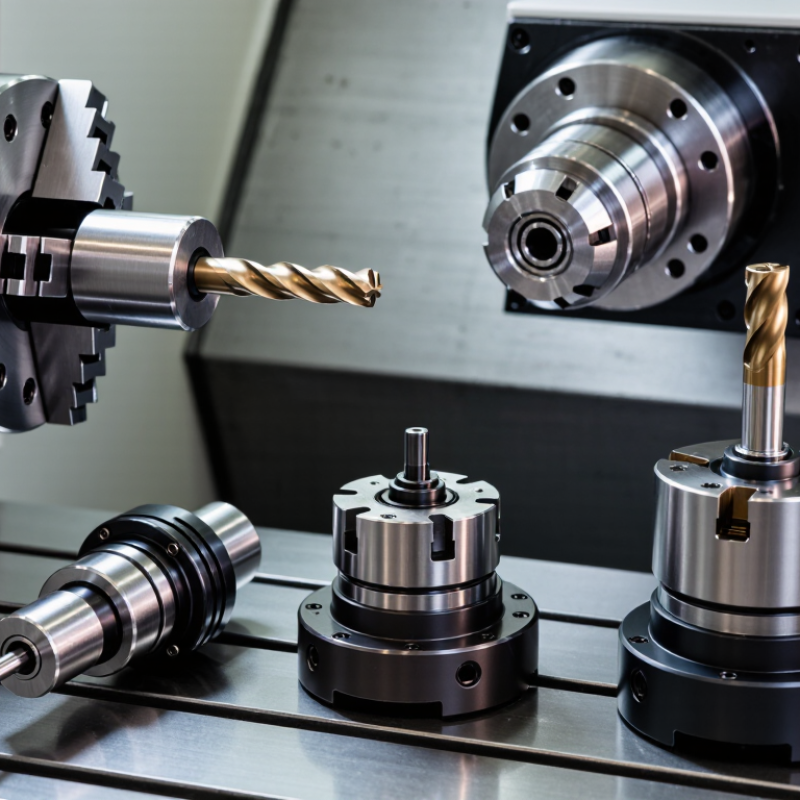
A CNC tool holder is the mechanical link between a machine spindle and a cutting tool. It locates the tool, clamps it, transfers torque, and helps control vibration. In real machining, a holder is not passive. A few micrometres of runout can create uneven cutting edges, poor surface finish, and premature tool wear. ISO 12164-1 defines common hollow-taper interfaces, while ISO 1940-1 provides guidance for rotational balance quality.
The choice starts with the spindle interface, such as a steep taper or hollow taper. Match it exactly. Then consider tool diameter, cutting force, spindle speed, coolant delivery, and required reach. Collet holders offer flexibility for different shank sizes. Shrink-fit and hydraulic holders can provide stronger concentricity, but they need suitable heating or maintenance equipment. The holder must also suit the operation. Heavy roughing needs stiffness. Fine finishing needs low runout.
The numbers matter.
The International Federation of Robotics reported 541,302 industrial robot installations worldwide in 2023. That growth reflects tighter expectations for repeatability, including tool positioning. Yet automation does not remove judgment. I have seen operators choose an oversized holder for rigidity, then lose access inside a narrow cavity. That decision looked sensible, but it failed at the workpiece. Check measured runout at the tool tip, not only the holder specification. A clean taper, correct pull-stud fit, and balanced assembly often matter more than a costly-looking design. As a practical reference, inspect holders regularly and record vibration, finish, and tool-life changes after each setup.
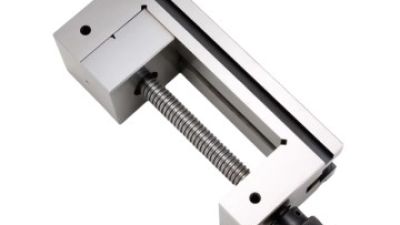
Precision workholding begins with a vice that keeps a component stable and accurately positioned throughout machining or inspection. The QGG precision tool vice is constructed from three main parts: the vice jaw, screw rod, and guide rail. Together, these elements provide a straightforward clamping arrangement for holding workpieces during tasks where reliable positioning is important. Before use, clean the contact surfaces, place the workpiece evenly between the jaws, and tighten it securely without applying unnecessary force. Checking that the vice and workpiece are properly aligned can help support consistent results.
This vice is suited to precision measurement and inspection, precision grinding, and electrical discharge machining. It can be used across a range of equipment, including grinding machines, milling machines, machining centers, and wire electrical discharge cutting machines. Its practical design makes it adaptable to different workshop operations, whether a job calls for controlled workpiece support during measurement or stable clamping during machining. Select a setup that matches the workpiece dimensions and the operation, and ensure the vice is seated firmly on the machine table before beginning.
It connects the machine spindle with the cutting tool. It positions, clamps, and transfers torque during machining.
Runout causes slight tool wobble. Even a few micrometres can create rough surfaces, uneven edges, and faster tool wear.
Match the holder’s spindle interface exactly. Confirm the taper type, pull-stud fit, speed rating, and contact dimensions.
Collet holders handle varied shank sizes. They are flexible for changing end mills and routine milling work.
They provide strong clamping and good concentricity. Shrink-fit holders need heating equipment, while hydraulic holders need proper maintenance.
Choose a rigid holder with strong clamping. Face-mill arbors can support larger cutters and heavier material removal.
Use the shortest practical tool projection. A large holder may improve rigidity but block access inside a narrow cavity.
Clean the taper and contact surfaces before installation. Tiny chips can prevent proper seating. Inspect wear and record vibration, finish, and tool life.
No. The best holder fits the spindle, tool, cutting conditions, and maintenance routine. I sometimes overvalue appearance, then forget actual clearance.
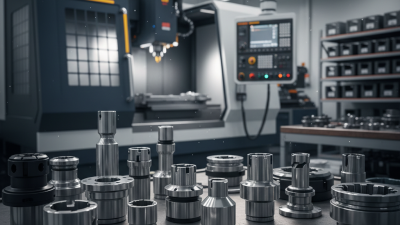
A CNC tool holder is the precision connection between a cutting tool and a CNC machine spindle. It secures the tool, maintains accurate alignment, and transfers rotational force during machining. Its main parts typically include the holder body, tool clamping area, retention feature, and contact surfaces that support rigidity and repeatable positioning. Different Cnc Tool Holders are designed for different tasks, such as general milling, drilling, high-speed machining, or operations requiring extended reach. They connect to the spindle through a matching taper, retention system, or other standardized interface, so compatibility is essential.
When choosing a CNC tool holder, consider spindle compatibility, tool size, required rigidity, balance, cutting speed, runout, reach, and the material being machined. A suitable holder can improve surface quality, tool life, and machining stability. Regular maintenance is equally important: keep contact surfaces clean, inspect for wear or damage, protect the holder from corrosion, and store it properly. Accurate holders and careful handling help preserve performance and extend service life.