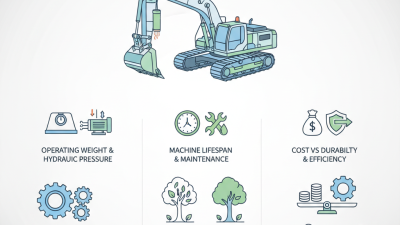
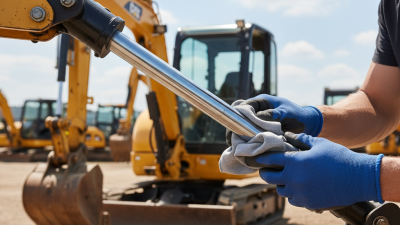
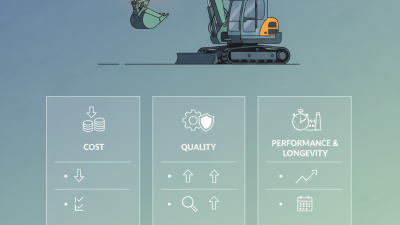
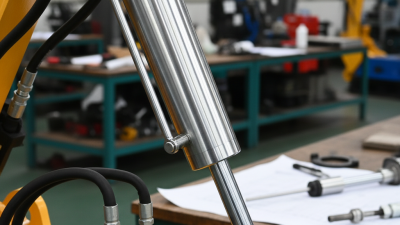
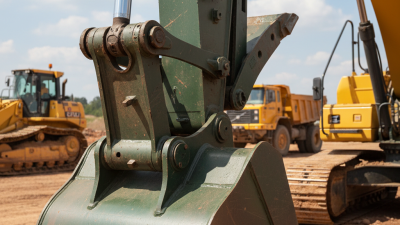
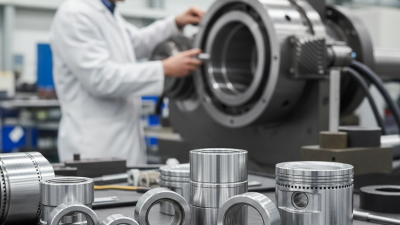
Picking the right Small Excavator Cylinderreally can make a big difference when it comes to how smoothly your project goes. I mean, just look at what reports from folks like **Market Research Future** are saying — demand for small excavation gear has shot up by about 30% recently. That just goes to show how crucial it is to choose the right Hydraulic Parts for the job.
When you're evaluating a Small Excavator Cylinder, things like how much it can handle (load capacity) and how deep it can dig are super important. Making the wrong choice here? It could mean your work slows down, or worse, lots of unplanned downtime. A study from **Global Industry Analysts** even points out that picking the wrong cylinder specs could cut your equipment’s lifespan by as much as 25%. Those stats really drive home how careful you need to be.
In this competitive construction world, knowing how to choose the right Small Excavator Cylinder isn’t just helpful — it's kinda essential. Brands like **Caterpillar** and **Komatsu** have all sorts of guides to help out. But honestly, a lot of folks still struggle to find that perfect fit for their specific projects. So, taking some real time to understand your work’s needs? Trust me, it’ll pay off in better performance and longer equipment life.
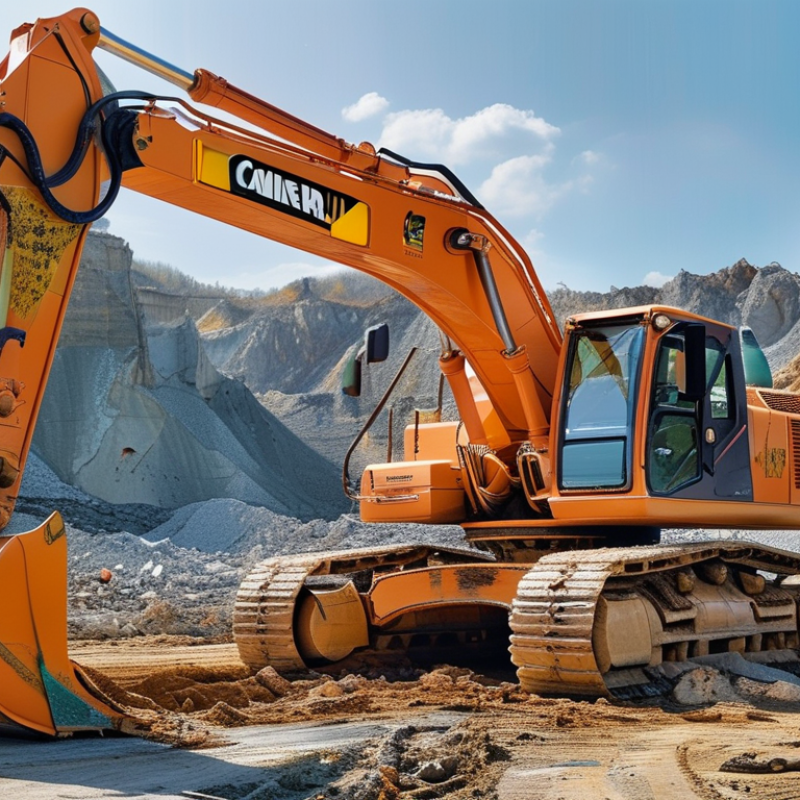
Understanding Different Types of Small Excavator Cylinders Available
When choosing a small excavator cylinder, understanding the types available is crucial. There are typically three main types: single-acting, double-acting, and Telescopic Cylinders. A single-acting cylinder applies force in one direction. It relies on gravity or an external force to retract. This design is simple and cost-effective but limits versatility in many applications.
Double-acting cylinders offer more control. They can push and pull, resulting in greater efficiency for complicated tasks. They can be more complex and require more maintenance. However, they provide a significant advantage in performance. Telescopic cylinders are unique. They can extend to various lengths, making them ideal for jobs needing variable reach. Despite their benefits, they are heavier and can be more prone to wear.
Understanding the specific needs of your projects is vital. Evaluate the job site conditions and your equipment's capabilities. Choosing the right cylinder goes beyond just understanding mechanics; it demands experience and insight into how different types perform under varying loads and conditions. Each cylinder type has its advantages and challenges. Seek advice if you're unsure, and don't hesitate to explore beyond initial options.
Comparison of Small Excavator Cylinder Types
Evaluating Cylinder Specifications: Stroke Length, Bore Size, and Pressure
When selecting a small excavator cylinder, you’ll want to focus on critical specifications like stroke length, bore size, and pressure. Stroke length determines how far the cylinder can extend or retract. Small excavators typically require cylinders with stroke lengths between 10 and 30 inches. This range is ideal for maneuverability in tight spaces where agility matters. Research suggests that matching the stroke length with the intended tasks can enhance efficiency and performance.
Bore size is equally important. It influences the cylinder's lifting capacity and overall hydraulic performance. A standard bore size for small excavators can range from 2 to 5 inches. Larger bore sizes may provide more power, but they also add weight and can reduce maneuverability. Understanding the application specifics is vital. For instance, a heavier attachment might necessitate a larger bore size.
Pressure ratings are crucial for operational success. Most small excavator cylinders operate effectively within a range of 2,000 to 3,000 psi. Higher pressure can improve force but may lead to increased wear if not managed properly. Regular inspections and maintenance of the hydraulic system are essential to prevent failures.
Tips: Always consider the total hydraulic system when choosing a cylinder. Ensure compatibility with existing components for smoother operation. Refer to industry guidelines and reports for specific use cases to avoid potential pitfalls. It’s better to err on the side of caution and conduct thorough evaluations before making a decision.
Assessing Application Requirements: Weight Capacity and Load Dynamics
When selecting the right small excavator cylinder, understanding your application requirements is crucial. Weight capacity plays a significant role in performance. It’s essential to know the heaviest loads your excavator will lift. This helps in choosing a suitable Small Hydraulic Cylinder that won’t easily be overwhelmed. Consider how often you operate in challenging terrains. Stability is key.
Load dynamics also matter. It refers to how weight shifts during operation. For instance, rapid lifting or swinging can generate higher forces. This impact affects cylinder choice. A cylinder that’s too weak may lead to failure or decreased efficiency. Ensure the hydraulic cylinder matches these demanding conditions to avoid mishaps.
Tips: Check the load rating of your chosen small hydraulic cylinder. Overestimating your equipment can lead to costly damages. Regularly inspect your cylinder for wear and tear, especially under heavy use. Remember, the best choice is one that aligns with your specific working conditions.
Comparing Hydraulic Systems: Open vs. Closed Loop Designs
When choosing a small excavator cylinder, understanding hydraulic systems is crucial. The two primary designs are open loop and closed loop systems. Open loop systems are simpler. They push fluid in one direction, leading to a straightforward operation. However, this simplicity comes with limitations in efficiency. They may struggle under heavy loads and require more frequent adjustments.
In contrast, closed loop systems offer more precision. They recycle hydraulic fluid, providing smoother operation and consistent power. This means less wear on components, such as the Hydraulic Cylinder Piston Small. Furthermore, they tend to perform better under demanding conditions. However, they can be more complex and costly. It’s essential to weigh these factors against your specific needs.
Choosing between these systems isn't always clear-cut. Many users report variable experiences based on their applications. Some find that what works for one project may not suit another. It’s wise to evaluate your workload and performance expectations. In some cases, a hybrid approach could yield the best results. Listen to industry feedback, as practical insights often highlight what specifications matter the most in real-world scenarios.
How to Choose the Right Small Excavator Cylinder for Your Needs? - Comparing Hydraulic Systems: Open vs. Closed Loop Designs
| Feature | Open Loop System | Closed Loop System |
| Efficiency | Lower efficiency due to continuous return of fluid | Higher efficiency with minimal fluid loss |
| Cost | Generally more affordable to purchase and maintain | Higher initial cost but potential long-term savings |
| Speed of Operation | Slower response due to fluid returning to the tank | Faster response time with direct flow of hydraulic fluid |
| System Complexity | Simpler design with fewer components | More complex with additional components for control |
| Applications | Ideal for standard construction tasks | Better suited for high-performance tasks |
| Maintenance | Easier maintenance with less technology | May require specialized knowledge for maintenance |
Choosing the Right Material: Steel vs. Aluminum Cylinders
Choosing the right material for your excavator cylinders is crucial. Steel and aluminum are the two primary options, each with unique benefits and drawbacks. Steel is known for its durability and strength. It can handle heavy loads and resist wear over time. That makes steel a common choice for high-demand environments. However, it comes with added weight, which may affect overall machine performance.
On the other hand, aluminum cylinders are lighter. This can enhance the mobility of your excavator. They are less resistant to corrosion and can be beneficial in wet environments. Yet, the trade-off is that they may not withstand extreme pressures as well as steel. It’s essential to assess the type of tasks you will tackle. For instance, if the job demands intense stress, a steel excavator cylinder is likely the better option. But for lighter tasks, an aluminum option may suffice.
Investigating the specific needs of your excavator is vital. Consider the role of the Excavator Oil Cylinder Bucket Cylinder in your machine’s operation. Reflect on what your projects entail, and choose based on that. Balancing weight, strength, and application will lead you to the best choice for your machinery.
Evaluating Maintenance Needs and Lifespan of Excavator Cylinders
When selecting a small excavator cylinder, understanding maintenance needs and lifespan is crucial. Excavator cylinders play a vital role; they facilitate movement and control. A thorough evaluation of these components can lead to informed decisions.
Average lifespan varies widely. Research indicates that well-maintained excavator cylinders can last between 5,000 to 10,000 operating hours. Neglecting maintenance drastically shortens this lifespan. Regular inspections and timely repairs are essential. A study noted that routine maintenance can reduce unexpected breakdowns by up to 30%.
Tip: Always check for leaks or unusual noises. Small signs can indicate larger issues.
While cylinders are designed for durability, wear and tear is inevitable. Factors like operating conditions and load capacity significantly influence lifespan. For instance, cylinders exposed to harsh environments may require more frequent checks.
Tip: Implement a maintenance schedule to track performance. Consistency can expand the functional life of your equipment.
Being aware of these aspects can help you select the right excavator cylinder and ensure longevity. Make thoughtful choices to optimize performance and reduce costs.
Cost Considerations: Budgeting for Purchase and Maintenance Expenses
When considering the purchase of a small excavator cylinder, costs can vary significantly. According to industry reports, the initial purchase price can range from $2,000 to $5,000, depending on specifications and manufacturer. This highlights the importance of budgeting not just for the purchase, but also for long-term maintenance. Maintenance costs may add another $300 to $1,500 annually, based on usage and upkeep.
Understanding the financial impact involves calculating potential repair or replacement costs. Some professionals suggest setting aside at least 15% of the cylinder's purchase price annually for maintenance. For instance, if the Bucket Stick Cylinder For Excavator Cylinder costs $4,000, budgeting $600 each year could mitigate unexpected expenses. This practice helps ensure reliable operation over time.
It's essential to factor in both direct and indirect costs. Training for operators, fuel, and downtime must also be considered. Industry experts suggest that failure to plan could lead to costly operational delays. Evaluating all these factors upfront will guide better decision-making and ensure the equipment supports operational needs effectively.
FAQS
: The three main types are single-acting, double-acting, and telescopic cylinders.
It applies force in one direction and relies on gravity or external factors to retract.
They offer better control and can perform both pushing and pulling tasks effectively.
They extend to various lengths, making them suitable for projects requiring variable reach.
They push fluid in one direction. This simplicity can lead to inefficiency under heavy loads.
Closed loop systems recycle fluid for smoother operation and consistent power under demanding conditions.
Prices can range from $2,000 to $5,000, depending on specifications and features.
Maintenance can add $300 to $1,500 annually, impacting overall long-term expenses.
Set aside at least 15% of the purchase price annually for maintenance to avoid surprises.
Training, fuel, and potential downtime can significantly affect overall budgeting for equipment use.
Conclusion
When selecting the right Small Excavator Cylinder, it is essential to understand the various types available and their specifications, including stroke length, bore size, and pressure ratings. Evaluating these factors will help determine the best fit for your application, taking into account weight capacity and load dynamics.
Furthermore, comparing hydraulic systems, such as open versus closed loop designs, is crucial in optimizing performance. Material choice, between steel and aluminum cylinders, affects durability and weight, while maintenance needs and lifespan should not be overlooked. Lastly, careful budgeting for both the initial purchase and ongoing maintenance expenses will ensure that the Small Excavator Cylinder meets your operational needs effectively.