Leave Your Message
0%

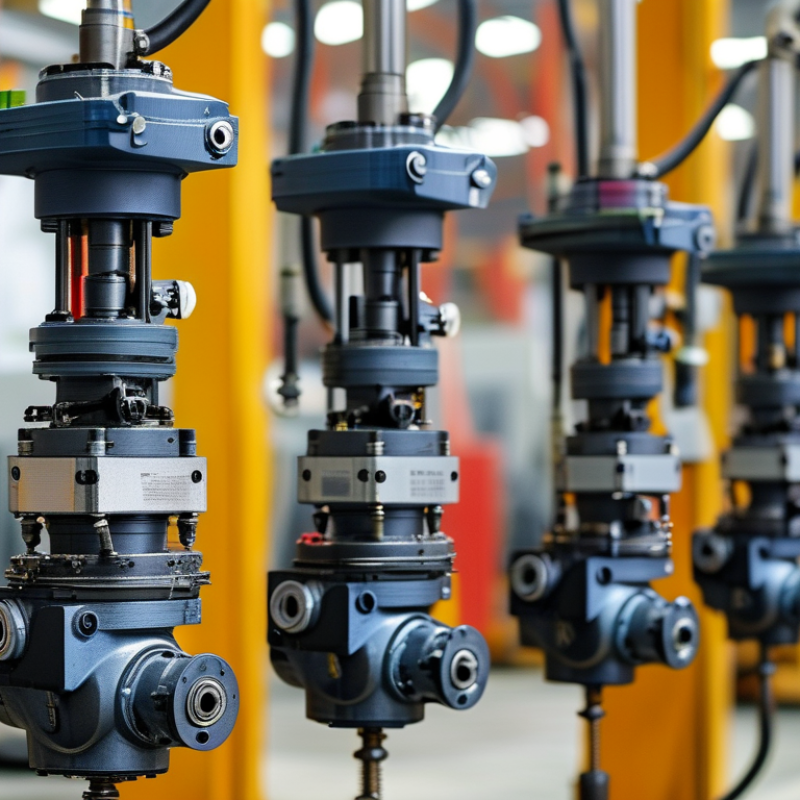
Picking the right Hydraulic Actuator really matters when you want your machinery to run smoothly. These things control movement across a bunch of industries, from manufacturing plants to space tech. Getting the perfect one can make a huge difference in how well things perform and how efficiently everything runs.

Think about what your project actually needs. Things like how much load it can handle, the speed you're aiming for, and the operating environment all come into play. A good choice in Hydraulic Actuators can boost productivity big time. But, if you pick the wrong one, you might end up dealing with hassle and frequent breakdowns.

Honestly, the market’s pretty crowded — there are so many options it can be overwhelming. For example, not every actuator is built to handle super hot temperatures. It's smart to go with reputable brands like Parker Hannifin or Bosch Rexroth. They’ve got the expertise to steer you in the right direction. Really, taking the time to understand the ins and outs can help you make smarter, more confident decisions.
2026 How to Choose the Right Hydraulic Actuator for Your Needs?

Understanding Hydraulic Actuators: Types and Functions

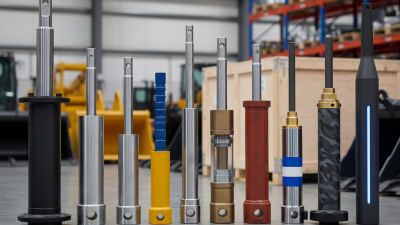
Hydraulic actuators play a crucial role in various industrial applications. Understanding the types and functions of these actuators can significantly influence your choice. There are primarily two types: linear and Rotary Hydraulic Actuators. Each type serves distinct purposes. For example, Rotary Hydraulic Actuators convert hydraulic energy into rotational motion. This makes them ideal for applications such as valve control or robotic arms.

Data from industry reports indicate that the demand for rotary hydraulic actuators is growing, particularly in the automotive sector. These actuators are often preferred due to their efficiency and reliability. In fact, a recent study highlighted that rotary hydraulic actuators can reduce energy consumption by up to 30% compared to other mechanisms. However, factors such as maintenance and compatibility with existing systems must be considered.

Choosing the right actuator involves examining specific needs. Some projects may require high torque, while others prioritize speed. It’s not uncommon to overlook the impact of hydraulic fluid quality on actuator performance. Users must reflect on their operational environment, as contamination can lead to failures. Ultimately, awareness of these aspects will help tailor your decision to the right hydraulic actuator for your application.

Key Factors to Consider When Selecting a Hydraulic Actuator

Choosing the right hydraulic actuator is crucial for optimal performance. Knowing the specific application is essential. Different systems require different types of actuators. For instance, a Vane Actuator is suitable for applications where compact design and high efficiency are needed.

Consider the force and speed requirements of your project. Determine the load that the actuator will handle. This helps in selecting an actuator that provides the necessary thrust. Additionally, check the operating environment. Temperature extremes or exposure to corrosive substances might limit your options.

Tips: Always evaluate the maintenance needs of an actuator. A complex system may require more downtime for repairs. Also, consider the available space for installation. Actuators come in various shapes and sizes. Make sure the chosen actuator fits perfectly in the designated area.

Take note of compatibility with existing systems. Sometimes, modifications may be needed to integrate a new actuator. This adds both time and cost to your project. Reflect on your choices and prioritize efficiency over complexity.

2026 How to Choose the Right Hydraulic Actuator for Your Needs? - Key Factors to Consider When Selecting a Hydraulic Actuator

Actuator Type Force Input (N) Speed (mm/s) Stroke Length (mm) Operating Pressure (bar) Weight (kg) Cost ($)
Double-Acting Cylinder 5000 50 100 200 20 1500
Single-Acting Cylinder 3000 30 150 150 15 1000
Telescoping Cylinder 4500 40 200 180 25 1200
Rotary Actuator 2000 60 N/A 120 10 800

Assessing Load Requirements and Performance Specifications

When selecting a hydraulic actuator, understanding load requirements is crucial. The load specifications will guide the size and type of actuator needed. For instance, a Tilt Actuator could be ideal for applications requiring precise angular adjustments. Knowing the maximum load helps in avoiding actuator overload, which can lead to failures.

Performance specifications significantly influence the actuator choice. Consider the operating environment, such as temperature and humidity. Some hydraulic actuators are designed for harsh conditions, ensuring reliability. If the actuator will operate intermittently, evaluate the cycle rate. Determining these factors helps in finding a suitable actuator that performs efficiently.

Assessing the hydraulic actuator’s response time and speed is essential. A Tilt Actuator may need a quick response for applications like automated machinery. Delays in response can cause misalignments and inefficiencies. It is wise to consult with technical experts to clarify specific performance needs, ensuring that the chosen actuator meets the application's demands.

2026 Hydraulic Actuator Load Requirements and Performance Comparison

Evaluating Environmental Conditions for Hydraulic Actuator Use

When selecting the right hydraulic actuator, one must carefully evaluate the environmental conditions of its intended use. Extremes in temperature, humidity, and exposure to contaminants greatly impact performance. Cold environments can cause fluids to thicken, while heat can lead to fluid breakdown and reduced efficiency.

Consider the installation site. Will the actuator be exposed to dust, chemicals, or moisture? Each factor plays a crucial role in selecting materials and sealing technologies that ensure long-lasting operation. Actuators used in outdoor settings should have protective coatings. Indoor applications may require different criteria, reflecting a range of challenges.

Maintenance planning is also essential. Actuators in harsh environments may need regular checks and replacements. This can be an area needing reflection. The long-term operational cost versus initial investment must be evaluated. Balancing performance and durability is key. Ultimately, the right choice hinges on a thorough understanding of specific operational challenges.

Compatibility with Existing Hydraulic Systems and Components

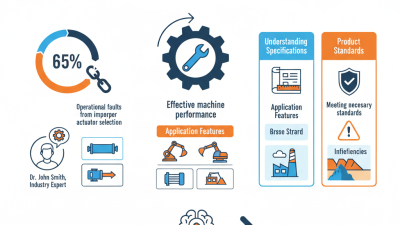
Choosing the right hydraulic actuator involves careful consideration of compatibility with your existing hydraulic systems and components. A well-suited actuator can directly enhance your system's performance and reliability. According to industry studies, over 70% of hydraulic issues arise from mismatched components. This underscores the importance of selecting an actuator that seamlessly integrates with your current setup.

When evaluating compatibility, pay attention to specifications like pressure ratings and flow requirements. A mismatched actuator can lead to inefficiencies and unexpected failures. For instance, a 2021 report highlighted that improper integration led to downtime costs averaging $1,200 per hour in manufacturing sectors. Ensuring a proper fit can prevent such costly interruptions.

**Tip:** Always cross-check the actuator's dimensions, connection types, and operational parameters with your system’s specifications.

Testing is also essential. Before finalizing your choice, conduct trials with your existing Hydraulic Components. Observe any signs of unusual wear or friction. Feedback from industry professionals suggests that nearly 30% of actuators do not perform optimally in their intended environments.

**Tip:** Document your findings during trials for future reference. This data is invaluable for ongoing maintenance and troubleshooting.

Maintenance and Lifespan Considerations for Hydraulic Actuators

When selecting a hydraulic actuator, maintenance and lifespan are critical factors. Proper care can significantly enhance the reliability of the actuator. According to industry reports, regular maintenance can extend the lifespan of hydraulic actuators by up to 30%. This includes scheduled inspections and timely replacements of worn parts.

Hydraulic actuators, such as the Angled Actuator, require specific attention. They are used in various applications, from manufacturing to aviation. Neglecting maintenance may lead to unexpected failures. It is important to monitor fluid levels, check for leaks, and ensure proper lubrication. Data suggests that actuators with regular oil changes last 25% longer on average.

Understanding the operating environment is also vital. Actuators exposed to harsh conditions may deteriorate faster. Investing in protective measures can mitigate wear and tear. Operators should evaluate their actuator's performance continuously and consider upgrading if issues arise. Actuating systems are complex, and even minor oversights can have significant repercussions.

Cost Considerations: Budgeting for Hydraulic Actuator Selection

When selecting a hydraulic actuator, budgeting plays a crucial role. Consider the initial purchase cost, which often varies significantly among different models. Assess your operational needs before making a decision. The right actuator should provide efficiency without breaking the bank.

Maintenance costs are another factor. Some actuators require more frequent upkeep, which can strain finances over time. A more affordable actuator may save money upfront, but higher maintenance costs could lead to greater long-term expenses. Weigh these factors carefully to make an informed choice.

Additionally, the application impacts your budget. Heavy-duty actuators usually have higher costs but offer enhanced durability. Evaluate the trade-offs between performance and budget before committing to a decision. Making the right choice today can avoid financial headaches later.

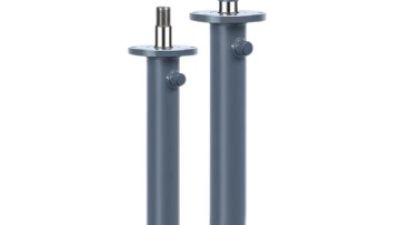
Maximizing Crane Efficiency: The Essential Role of the Outrigger Hydraulic Cylinder MPM-OHC12

In the realm of crane operations, maximizing efficiency is paramount, and the outrigger hydraulic cylinder plays a crucial role in achieving this goal. As a key component of truck cranes, the outrigger cylinder significantly enhances stability by extending the supporting base of the crane. This extension not only redistributes the load but also reduces the strain on the vehicle's tires. The improved design and functionality of the outriggers contribute to a safer operational environment, allowing for higher lifting capacities while mitigating the risk of overturning.

The importance of the outrigger hydraulic cylinder extends beyond stability; it directly influences the overall performance of the crane. By providing a strong foundation, the cylinder allows the crane to lift heavier loads with confidence. Operators benefit from increased productivity as they can tackle more demanding tasks without the usual concerns regarding equipment failure or instability. In essence, the outrigger hydraulic cylinder is a vital element that enhances crane efficiency by ensuring that lifting operations are both safe and effective.

FAQS

: What environmental factors should be considered when selecting a hydraulic actuator?

: Consider temperature, humidity, dust, chemicals, and moisture. Each affects performance and material choice.

How do extreme temperatures impact hydraulic actuators?

Cold can thicken fluids; heat may cause breakdown. Both scenarios reduce efficiency and performance.

Why is maintenance planning important for hydraulic actuators?

Harsh environments may require regular checks and part replacements. Reflect on operational schedules and costs.

How can outdoor use influence actuator selection?

Outdoor actuators need protective coatings against weather. Indoor units face different challenges.

What are the implications of choosing a budget-friendly actuator?

Cheap actuators may lead to higher maintenance costs. Assess overall expenses before finalizing your choice.

How does application specificity affect actuator budgeting?

Heavy-duty actuators cost more initially but offer durability. Balance performance needs with budget limits.

Conclusion

When selecting the right hydraulic actuator for your needs, it is crucial to understand the various types and functions of these devices. Key factors to consider include load requirements and performance specifications, as well as the environmental conditions in which the hydraulic actuator will operate. Ensuring compatibility with existing hydraulic systems and components is also essential to achieving optimal performance.

Additionally, maintenance and lifespan considerations must not be overlooked, as they can impact the overall reliability of the actuator. Finally, budgeting for hydraulic actuator selection is important to ensure you choose a solution that meets your operational requirements without exceeding your financial constraints. By meticulously evaluating these factors, you can make an informed decision that will enhance the efficiency and effectiveness of your hydraulic systems.

Evelyn

Evelyn

Evelyn is a dedicated marketing professional at Qingdao Micro Precision Machinery Co., Ltd., a leading global manufacturer since 2006. With a deep understanding of the company’s core products—including high-performance hydraulic systems, precision mechanical parts, and compact mechanical equipment......
Previous How to Choose the Right Small Excavator Cylinder for Your Needs?