Picking the right Welded Cylinder Base supplier in China isn’t just about comparing prices or glancing at some photos in a catalog. You need a supplier who really gets the ins and outs — like the base’s geometry, how thick the material is, weld penetration quality, surface protection, and whether it’s suited for the environment it’ll be used in. Small defects can sometimes make a big difference, you know? A tilted base could throw off stability, and uneven welds might cause stress issues over time, especially if it’s repeatedly handled or moved around.
John C. Lippold, a well-known expert in welding metallurgy, once said, “Welding is a materials joining process that produces coalescence of materials.” That’s pretty much where everything hinges, and it’s a good reminder for evaluating those welded bases. The supplier should be able to control heat input, prepare joints properly, use accurate fixtures, and perform thorough post-weld inspections. It’s also smart to ask for material certificates, dimensional reports, welding procedures, and batch traceability details. While ISO 9001 certification can boost your confidence, it’s no substitute for actually verifying the factory’s operations yourself.
In the end, the most trustworthy supplier in China is often the one who communicates clearly and shows consistent quality — not just makes promises. Don’t be afraid to ask for samples. Check out the weld profiles yourself, and measure things like the base diameter, height, flatness, and how well it fits in your setup. Always compare actual production records instead of just relying on what they say. Factory visits and independent testing can really help spot issues early on.
And yeah, price still matters. But it’s not the whole story. A cheaper base might save you money upfront, but it could end up costing more in rework, delaying your assembly, or dealing with unexpected coating repairs down the line. Even seasoned buyers can overlook packaging damage or recent steel quality issues — don’t ignore those little signs of trouble. This guide aims to walk you through evaluating supplier capability, manufacturing experience, quality control measures, customization options, delivery reliability, and after-sales support. The goal here isn’t to find the cheapest option or rank suppliers — it’s about making practical, informed decisions that work for your project.
What Is the Best Welded Cylinder Base Supplier in China?
What Is a Welded Cylinder Base and Why Does Supplier Quality Matter?
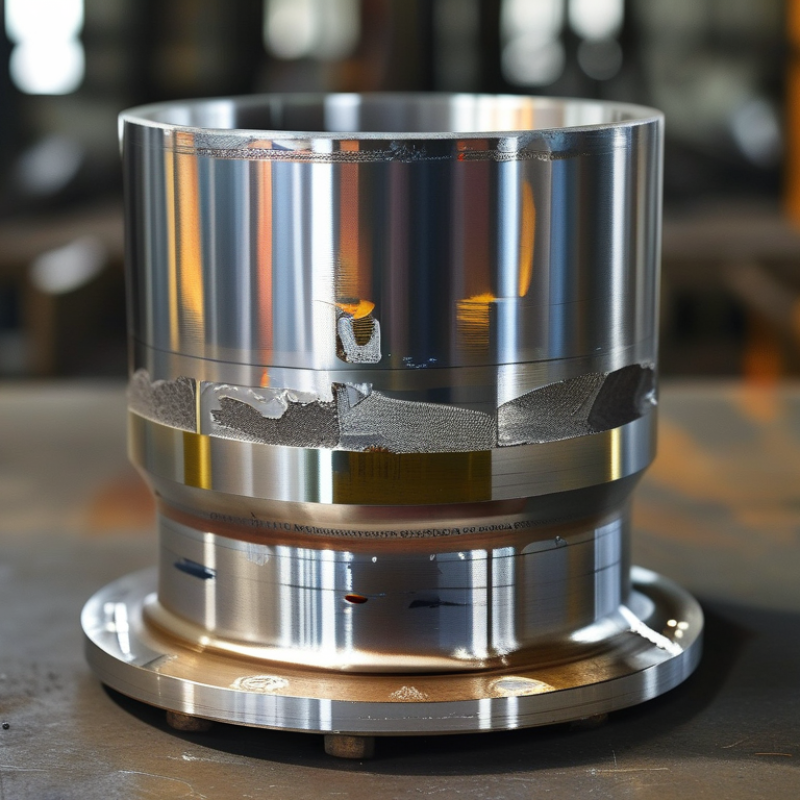
A welded cylinder base is the lower support fitted to a steel cylinder. It helps the cylinder stand upright and protects its bottom during handling. The Welded Cylinder Base End must match the cylinder’s diameter, wall profile, and operating requirements. Poor alignment can create uneven contact, unstable storage, or stress around the weld.
Supplier quality matters because small manufacturing defects can affect long-term safety. A reliable Chinese supplier should provide material certificates, controlled welding procedures, and traceable inspection records. Welders need verified training and consistent process control. Visual checks alone are not enough. Dimensional inspection, weld examination, and coating checks should follow the project’s technical requirements and applicable standards.
Ask for production samples.
During supplier audits, inspect forming tools, welding fixtures, and measurement equipment. A factory may show an excellent sample while routine production varies. That happens. It deserves attention. Compare several batches instead of trusting one attractive unit. Check weld penetration, surface uniformity, base flatness, and resistance to corrosion. Packaging also matters because damaged edges can appear before installation.
Experience helps identify practical issues that drawings may miss. For example, an overly sharp base edge can damage flooring or packaging. A supplier should discuss these details openly, document corrective actions, and accept reasonable third-party inspections. The best choice is not simply the lowest quotation; it is the supplier that repeatedly delivers verified, dimensionally stable products.
Material consistency and weldability are essential quality indicators for welded cylinder bases. This chart compares published strength values for commonly referenced carbon steels: ASTM A36 structural steel and AISI 1018 low-carbon steel. Actual requirements should be confirmed against the cylinder design, applicable regulations, and the supplier’s material certificates and weld inspection records.
What Is the Best Welded Cylinder Base Supplier in China?
A reliable Welded Cylinder Mounting Base begins with the correct technical standards. The supplier should identify the cylinder type, working load, mounting angle, and service environment. These details affect material selection and weld design. ISO 3834 can guide welding quality management. ISO 15614 supports welding procedure qualification, while ISO 9606 addresses welder qualification. For pressure equipment, the base must also match the cylinder’s applicable design code and local requirements.
Ask for material certificates, approved drawings, weld procedure records, and inspection reports. Dimensional checks should confirm hole spacing, plate thickness, and contact alignment. Visual inspection is useful, but it cannot reveal every internal defect. Non-destructive testing may be necessary for critical welds. Surface protection also matters. Poor coating preparation can cause rust around weld toes and drainage gaps. A certificate is not proof by itself. Documentation must match the delivered part.
Tips: Request a sample inspection plan before production. Check load testing methods, traceability, and corrective-action records. Visit the workshop when possible. Look closely at welding consistency, storage conditions, and measurement tools. One detail is often missed: bases may fit perfectly but fail after vibration. Ask how the design handles repeated movement. Suppliers should welcome technical questions, although some answers may need deeper verification.
Evaluating Chinese welded cylinder base manufacturers requires more than comparing quotations. Start with the engineering drawing, steel grade, wall thickness, and dimensional tolerances. Ask whether the manufacturer can provide material certificates and batch traceability. Look beyond certificates. A reliable supplier should explain its welding procedures, operator qualifications, and inspection standards in clear language.
Visit the production site, physically or through a verified audit. Observe how tubes are cut, fixtures are aligned, and welds are protected from contamination. Uneven weld beads, sharp edges, or inconsistent base heights suggest weak process control. Request sample units before placing a large order. Check load stability, weld penetration, coating adhesion, and resistance to handling damage. Small defects become expensive when thousands of units are stacked or transported.
Ask for records, not promises. These may include incoming material checks, in-process inspection reports, dimensional measurements, and final packing photographs. Confirm that testing matches the destination market’s technical requirements. A general quality certificate does not prove product suitability. I would also examine production capacity during busy periods, because quality can slip under pressure. A low price may reflect efficient sourcing, but it may also hide thinner steel or reduced inspection. No checklist is perfect. Leave room for independent inspection, revised drawings, and a clearly written remedy for nonconforming parts. Reliable communication matters when a drawing changes by only two millimeters.
A welded cylinder base must match the cylinder’s service environment, load, and expected lifespan. Carbon steel is often economical and provides strong impact resistance. However, it needs reliable surface protection in humid or coastal storage areas. Stainless steel resists corrosion better, but its higher cost and welding sensitivity require closer process control. Aluminum is lightweight, yet buyers should examine deformation risks under repeated loading.
Material certificates are essential. They should show grade, thickness, heat number, and mechanical test results. Check whether the supplier controls incoming material instead of trusting labels alone. A polished sample can mislead. Inspect the actual production batch.
Manufacturing quality depends heavily on fit-up and welding discipline. Compare laser cutting, stamping, bending, and robotic welding capabilities. Consistent dimensions help the base sit evenly on the cylinder. Ask about weld penetration, heat-affected zones, and distortion control. MIG welding may suit efficient carbon steel production, while TIG welding can offer cleaner control on thinner stainless parts. Neither process guarantees quality by itself. Fixtures, parameters, and operator training matter more.
I would also review visual inspection, dimensional checks, and non-destructive testing records. Salt-spray testing can reveal weak coatings, though it cannot represent every field condition. Request sample measurements, load tests, coating thickness data, and batch traceability. During one supplier review, a strong weld still failed because the base was slightly misaligned. Small errors become expensive after assembly. A factory audit should include storage areas, calibration records, rework procedures, and worker protection practices.
A reliable welded cylinder base supplier should prove quality with records, not attractive photographs. The ISO Survey 2023 reported 1,265,216 ISO 9001 certificates worldwide. However, certification alone does not confirm every Welded Hydraulic Cylinder Base End meets your drawing.
Ask for the supplier’s current ISO 9001 certificate, issuing body, scope, certificate number, and expiry date. Verify those details directly through the certification body’s public database. For welding control, request procedures covering material preparation, preheating, filler metal storage, and post-weld inspection. ISO 3834 certification can indicate controlled welding processes, while ISO 9606-1 welder qualification supports operator competence. Check the scope carefully.
Traceability should follow each part. The material certificate should match the heat number stamped on the steel. Inspection reports should record weld dimensions, concentricity, thread size, and surface defects. For pressure-bearing components, request documented hydrostatic or leakage test results under an agreed procedure. ISO 10100 provides a useful reference for Hydraulic Cylinder acceptance testing.
Independent inspection adds credibility. A third-party inspector can witness sampling, dimensional checks, and non-destructive testing. Dye penetrant testing may reveal surface cracks; ultrasonic testing can examine deeper weld areas. Yet mistakes happen. I would reject reports with identical readings across hundreds of parts. Real production shows variation. Ask for failed-test records and corrective actions, not only perfect results. Supplier experience matters, but verifiable evidence matters more.
The best supplier is not always the one offering the lowest unit price. In practice, pricing depends on steel grade, plate thickness, welding hours, tooling, surface treatment, and order volume. A reliable factory should explain each cost clearly. Ask for material certificates, weld inspection records, dimensional reports, and sample approval before placing a large order. I have seen low quotes become expensive after weak packaging, rework, or unexpected mold charges.
Delivery depends on production capacity, raw material availability, inspection time, and export preparation. A supplier producing a Welded Cylinder Base For Lock Valve should confirm drawings, tolerances, valve fit, and mounting-hole positions in writing. Customization may include diameter, height, steel thickness, reinforcement ribs, coating, and label placement. Small changes can affect tooling and lead time. This is where buyers sometimes misjudge the process.
Tips: Request a sample before mass production. Compare complete quotations, not unit prices alone. Confirm the inspection method and acceptable tolerance. Use a written timeline with milestone dates. Also, ask how damaged parts are handled during shipping. A supplier may promise flexibility, yet actual capacity can change during busy seasons. That detail deserves careful checking.
: Request the current certificate, issuing organization, covered activities, certificate number, and expiry date. Verify these details through the issuer’s public database. A certificate helps, but it does not prove every part matches your drawing.
Ask for welding procedures covering material preparation, preheating, filler storage, and post-weld inspection. Welder qualification records can support operator competence. Check whether the documents cover your actual product and materials.
Match the material certificate with the heat number stamped on the steel. Inspection reports should identify each batch or part. Keep records for dimensions, weld size, threads, concentricity, and surface defects.
Request documented hydrostatic or leakage test results. Agree on the test method, pressure, duration, and acceptance limits before production. Do not accept vague statements such as “tested successfully.”
Independent inspection can verify sampling, dimensions, and non-destructive testing. Surface testing may reveal cracks, while ultrasonic testing can examine deeper weld areas. It adds cost, but weak evidence can cost more.
Be cautious when hundreds of parts show exactly identical readings. Real production usually has small variations. Ask for failed-test records and corrective actions, not only perfect reports.
Price depends on steel grade, plate thickness, welding time, tooling, coating, and order quantity. Request a complete quotation with separate cost details. A low unit price may exclude packaging, rework, or tooling charges.
Confirm drawings, tolerances, mounting-hole positions, valve fit, and surface treatment in writing. Custom sizes, reinforcement ribs, coatings, and labels may change tooling and lead time. Request a sample and use milestone dates. Schedules can slip during busy seasons.
Choosing the best Welded Cylinder Base supplier in China requires more than comparing prices. Buyers should first understand how the base supports cylinder stability, load distribution, and safe handling. A dependable supplier should manufacture products according to relevant technical standards, maintain consistent welding quality, and provide clear specifications for dimensions, materials, surface treatment, and load capacity. Evaluating production experience, equipment, engineering capabilities, and customer service can help identify manufacturers capable of delivering stable results.
Material selection and manufacturing processes should match the intended application, with attention to steel grade, welding methods, dimensional accuracy, corrosion resistance, and finishing quality. Buyers should also verify quality-control procedures, inspection records, testing capabilities, and applicable product certifications. Finally, pricing should be assessed alongside production volume, customization requirements, packaging, delivery schedules, and after-sales support. A reliable supplier offers transparent communication, practical customization options, consistent quality, and dependable delivery rather than simply the lowest quotation.