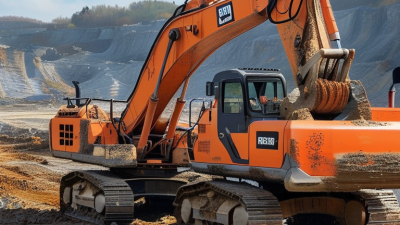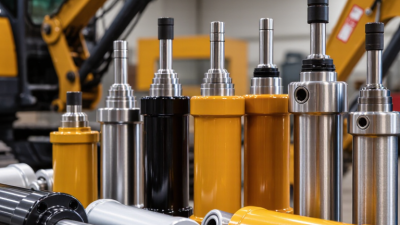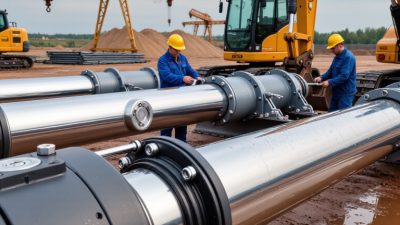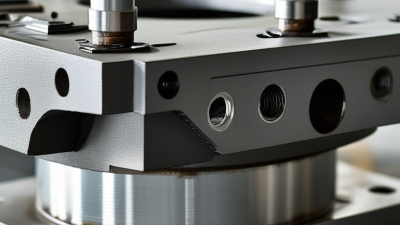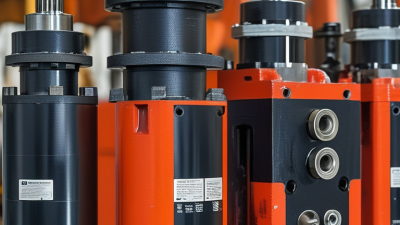
Picking the right Bucket Cylinder in 2026 isn't just about bore size and the cheapest price tag. If you're buying globally, you've also got to look at operating pressure, pin diameter, stroke length, seal quality, and mounting geometry. Sure, a cylinder can look tough on a product page. But put it beside a quarry wall or on a muddy construction road, and it might not hold up.
Martin L. Smith, an independent hydraulic systems engineer who specializes in excavator attachment hydraulics, puts it simply: 'A cylinder earns trust through controlled force, clean oil, and correct alignment.' That's still good advice. It's also what field techs see all the time: damaged rods, leaking seals, uneven loads. Usually those point to bigger system issues. The cylinder isn't always the only cause.
This guide looks at the 2026 Best Bucket Cylinder Types for Global Buyers. We compare standard, heavy-duty, compact, and custom-built designs for excavators, loaders, and backhoe equipment. You'll also see how the Excavator Oil Cylinder Bucket Cylinder category fits different working conditions. There are details on chrome-plated rods, forged eyes, hydraulic cushioning, dust protection, and replacement-part availability too.
Real-world selection is rarely perfect, right? Budget limits can clash with long service life. A heavier cylinder may add durability, but it can also slow down attachment response. Regional service support matters as well, especially when equipment works far from ports or urban workshops. Before ordering, buyers should verify technical drawings, test certificates, warranty terms, and oil compatibility.
Small details matter. A two-millimeter alignment error can create side loading. Dirty hydraulic oil can shorten seal life fast. This overview gives you a reliable starting point, but don't stop there. Confirm every specification with qualified engineers and established manufacturers.
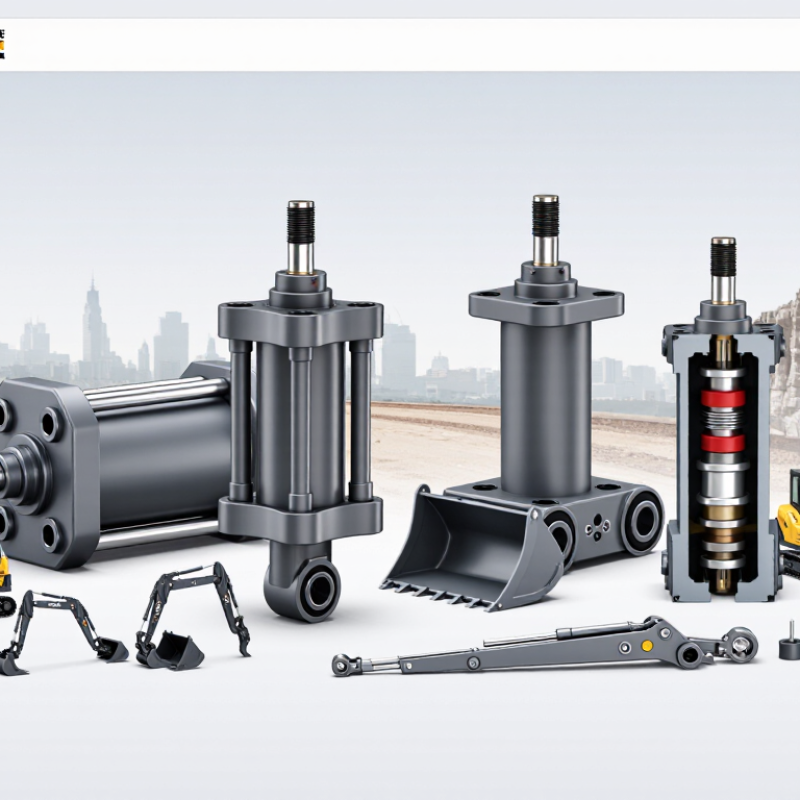
Bucket cylindersconvert Hydraulic Pressure into the digging force an excavator needs. They extend and retract the bucket linkage through a double-acting design. This movement controls filling, dumping, and precise grading. A properly matched cylinder improves breakout force without overloading the hydraulic circuit.
In field inspections, I look at rod condition, seal leakage, pin alignment, and unusual movement. A dry rod with light surface protection is normal. Deep scoring is not. Cylinder bore diameter, stroke length, operating pressure, and mounting dimensions must match the excavator’s working system. The phrase Bucket Stick Cylinder For Excavator Cylindercan create confusion, because bucket and Stick Cylinders serve different attachment movements. Buyers should verify the part function before comparing prices.
Cylinder types vary by application. Standard excavators often use Welded Hydraulic Cylinders with hardened rods and replaceable seals. Heavy-duty versions may include thicker barrels, reinforced mounts, or stronger cushioning at stroke ends. Cushioning reduces impact when the piston reaches its limit. It may also feel slower during rapid cycling. That trade-off deserves attention.
Weather, abrasive soil, and poor lubrication shorten service life. Clean hydraulic oil matters more than many operators expect. A small amount of contamination can damage seals and produce internal bypassing. I have seen machines lose digging power before external leakage became visible. Pressure testing can confirm that problem, although test results should be reviewed against the excavator’s service specifications. Some assumptions fail in the field. A larger cylinder is not automatically the better choice.
Bucket cylinders are usually double-acting hydraulic cylinders, but their design changes with excavator duty. Standard cylinders suit general digging, trenching, and loading. They balance bore size, stroke length, and cycle speed. Heavy-duty cylinders use thicker barrels, stronger rods, and improved sealing for quarrying or demolition. They handle repeated shock loads near the bucket linkage. Short-stroke, high-pressure cylinders can improve breakout force in compact excavators, especially where working space is limited. They may, however, increase heat and seal wear.
Grand View Research estimated the global hydraulic cylinder market at approximately USD 15.7 billion in 2023, with construction equipment remaining a major application area. Fortune Business Insights also identifies construction machinery as a significant demand driver through 2032. These figures support careful cylinder selection, not automatic oversizing. A larger bore can deliver more force, but it may slow movement and raise pump demand. I have seen buyers focus on force while ignoring pin alignment and rod exposure. That assumption needs testing.
Telescopic bucket cylinders are less common on standard excavators but can fit specialized reach systems. For abrasive soil, specify hardened rods, replaceable bushings, and contamination-resistant seals. For underwater or coastal work, corrosion protection becomes essential. Always compare the original stroke, closed length, mounting-pin diameter, operating pressure, and calculated buckling risk. Field measurements still matter. Reports show market direction; the machine’s actual duty decides the cylinder type.
2026 Best Bucket Cylinder Types for Global Buyers
How Bore Size, Stroke Length, and Pressure Affect Cylinder Selection
Bucket cylinders are usually double-acting welded cylinders for excavator linkage work. Their bore size controls pushing force, while rod diameter affects retraction strength and bending resistance. A 100 mm bore at 250 bar can theoretically produce about 196 kN of extension force. Real output is lower because of friction, seal drag, and pressure losses. Small differences matter.
The 2024 Grand View Research report estimates the global hydraulic cylinder market at approximately USD 14 billion in 2023. This growth reflects continued demand for compact construction equipment and replacement components. Buyers should not select bore size from machine weight alone. Check the pump’s continuous pressure, relief-valve setting, pin geometry, and available installation space. Stroke length must match the bucket’s full rotation without bottoming out. Measure both closed and extended center distances.
Too much pressure is not always better. It can shorten seal life and increase structural stress. A longer stroke may improve movement, but it can reduce cycle speed if oil flow remains unchanged. ISO 6020/2 and ISO 6022 provide useful dimensional and performance references, yet field conditions still deserve attention. Mud, side loading, and poor pin alignment often defeat a correctly rated cylinder. I have seen selections fail for that reason. The overlooked detail? Clearance during maximum curl. Recheck it.
Choosing the right Bucket Cylinder starts with material, not appearance. Steel grade affects strength, weight, and corrosion resistance. For wet soil, coated or treated surfaces can reduce early rust. In colder regions, impact performance deserves closer attention. A cylinder that works well in a dry quarry may fail faster near coastal air.
Sealing design controls service life. High-quality rod seals should resist dust, pressure, and temperature changes. Wipers are equally important when mud reaches the attachment. Polyurethane seals often handle abrasion well, while other compounds may suit heat or chemical exposure better. Confirm compatibility before ordering.
Manufacturing accuracy matters too. Smooth honing reduces friction and protects the seals. Correct welding alignment prevents uneven rod loading. Traceable pressure-test records add confidence, although paperwork alone cannot replace inspection. A polished cylinder can still disappoint.
Tips: Ask for material certificates, seal specifications, surface-treatment details, and test records. Check the rod finish under bright light. Small scratches matter. Compare mounting dimensions carefully, including pin diameter and closed length. Request samples when volumes are large. Field feedback should influence the final choice, even when the technical sheet looks complete.
Bucket cylinders face shock loads, dirt, and changing temperatures. Hydraulic cylinders remain the practical choice for most excavators. They deliver high force in a compact body and allow smooth bucket control. Mechanical cylinders suit simpler machines, but adjustment is slower and operator effort is higher. Specialized designs, including the Bucket Tilt Cylinder, support side-to-side grading and precision work.
MarketsandMarkets estimated the global hydraulic cylinder market at about USD 14.9 billion in 2024. Its report projects roughly USD 19.7 billion by 2029. These figures show expanding demand, but market estimates vary by region and product definition. For buyers, bore diameter is only one decision. Rod coating, seal material, pin alignment, and rated working pressure often decide service life. A cylinder may look strong. It can still fail early when the bucket linkage is misaligned.
Tips: Match the cylinder to the machine’s relief pressure, not only its advertised force. Check operating temperatures below -20°C or above 80°C. For coastal sites, request corrosion-resistant rods and protected welds. ISO 4413 recommends controlling hydraulic-system risks through design, installation, and maintenance. Keep a few millimetres of pin movement during inspection. That small habit can reveal load transfer problems before a bent rod appears. I would also compare test certificates carefully; paperwork is useful, but field evidence is better.
Choosing a bucket cylinder in 2026 requires more than checking bore size and price. Global buyers should match cylinder force, stroke length, mounting pins, and hydraulic pressure with the excavator’s working system. A Grapple Bucket Cylinder may need faster response and stronger side-load resistance than a standard digging cylinder. Measure the existing cylinder, including retracted length and pin diameter. Do not rely only on catalog drawings. A few millimeters can cause installation problems.
Tips:Request material certificates, pressure-test records, seal specifications, and dimensional drawings. Check whether seals suit the local temperature and hydraulic oil. Inspect the rod surface for chrome damage, pitting, or uneven polishing. Ask about spare seal kits and realistic delivery times. A supplier who explains failure limits clearly is usually more reliable than one promising unlimited service life.
Maintenance planning also affects compatibility. Clean hydraulic connections before installation, then check for leaks after the first operating cycle. Record rod extension, operating pressure, and unusual noise during inspections. In dusty sites, contamination can damage seals before visible leakage appears. In coastal regions, exposed steel needs better corrosion protection. I have found that buyers often measure the cylinder correctly but overlook pin-bushing wear. That mistake is easy to repeat. A final fit check under safe, unloaded conditions can reveal alignment stress before regular work begins. Specification sheets help, but field measurements remain essential.
Bore size mainly controls extension force. A larger bore usually produces more pushing power. More is not always better.
Rod diameter influences retraction strength and bending resistance. A thicker rod may handle side loads better, but it adds weight.
Check pump pressure, relief-valve settings, pin geometry, and installation space. Machine weight alone is not enough.
The stroke should cover the bucket’s full rotation without bottoming out. Measure closed and extended center distances carefully.
Higher pressure can increase force, but it may shorten seal life. It also increases structural stress. Check the system rating first.
A longer stroke may provide greater movement. However, cycle speed can decrease when oil flow stays unchanged.
Treated or coated steel can reduce early rust in wet soil. Coastal air requires closer corrosion checks.
Rod seals should resist dust, pressure, and temperature changes. Wipers help block mud near the attachment.
Smooth honing reduces friction and seal wear. Accurate welding alignment helps prevent uneven rod loading.
Request material certificates, seal details, surface-treatment information, and pressure-test records. Inspect samples when possible. Paperwork is not enough.
Choosing the right Bucket Cylinder is essential for improving excavator digging force, control, efficiency, and service life. This article explains the fundamentals of bucket cylinders and their role in transferring hydraulic power to the attachment. It introduces key cylinder types for compact, standard, heavy-duty, mining, and specialized excavator applications, while showing how bore size, stroke length, operating pressure, and mounting dimensions influence performance and compatibility.
The guide also examines material selection, rod protection, sealing systems, corrosion resistance, and manufacturing quality for demanding global environments. It compares hydraulic, mechanical-assist, and specialized cylinder designs, helping buyers understand the strengths and limitations of each option. A practical checklist covers quality verification, dimensional matching, pressure ratings, maintenance access, spare parts, warranty considerations, and supplier communication. By evaluating operating conditions and long-term maintenance needs, global buyers can select a reliable cylinder that supports productivity, safety, and predictable equipment performance.