Leave Your Message
0%

Choosing the right electric forklift truck in 2026 isn’t just about crunching numbers like lifting capacity or the sticker price. Honestly, it’s a lot more complicated since buyers worldwide are dealing with all sorts of different warehouse setups, weather conditions, charging setups, labor practices, and safety standards. For example, a small three-wheel model might handle tight corners in narrow aisles pretty easily, but a four-wheel forklift could feel a lot more stable when working outdoors on uneven ground. Every option comes with its own set of pros and cons, right?

In this guide, we’ll look at some of the top electric forklift types used today across logistics, manufacturing, retail, and cold storage. We’ll talk about things like battery chemistry, max capacity, how high they can lift, turning radius, operator visibility, charging times, and overall costs over their lifespan. All these details really matter, especially when you’re maneuvering pallets near racks, loading docks, or sensitive equipment. And let’s not forget—a quiet motor makes a huge difference indoors. It helps keep the working environment more comfortable and safer, since noise and air quality are important for everyone.

From practical experience, I can tell you that cold weather can really impact battery performance. And looking at maintenance records often gives a clearer picture than just what brochures promise. Before committing, make sure to check out how easy it is to access service parts, if replacement parts are readily available, what the warranty covers, and if you’ve got good local support. Also, regional standards and workplace rules can vary a lot, so it’s worth double-checking those with the right authorities. Honestly, no forklift ranking or review is perfect. Many specs assume perfect floors, trained operators, and gentle handling—reality’s usually a lot messier.

Bottom line: the newest or most powerful forklift isn’t always the best fit. The real key is finding one that matches your specific needs, whether that’s the working conditions, the workload, your infrastructure, or safety considerations. By doing a thorough comparison, your purchasing team can pick an Electric Forklift Truck that keeps things running smoothly, safely, and cost-effectively in the long run.
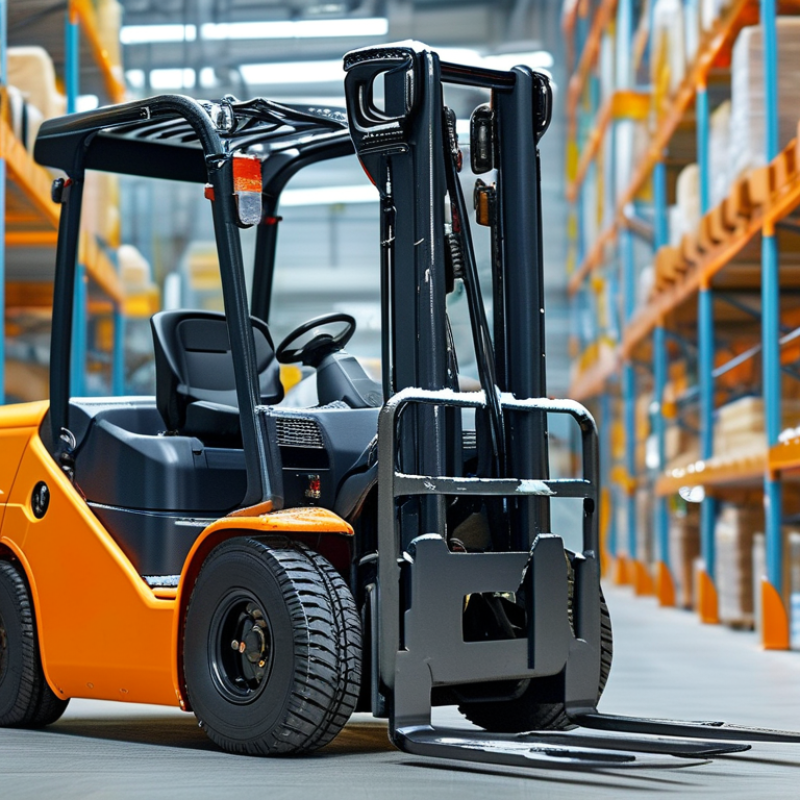
2026 Top Electric Forklift Truck Types for Global Buyers

Electric Forklift Trucks: Definition, Core Features, and 2026 Market Role

2026 Top Electric Forklift Truck Types for Global Buyers

Electric Forklift Trucks: Definition, Core Features, and 2026 Market Role

Electric forklift trucks use battery power instead of internal combustion engines. They move pallets, cartons, and materials through warehouses, factories, and retail facilities. The term Forklift Electric usually describes equipment designed for cleaner indoor operation. Lower noise helps operators hear alarms and nearby movement.

Core features include electric drive motors, regenerative braking, adjustable forks, and onboard diagnostics. Lithium-ion batteries can support frequent charging during short breaks. Lead-acid systems remain practical where purchase budgets are limited. Each choice affects charging space, maintenance routines, and daily productivity.

Market demand in 2026 is shaped by tighter energy goals and growing warehouse automation. Counterbalance, reach, pallet, and narrow-aisle models serve different working conditions. A reach truck may suit high racks, while a pallet truck fits short horizontal moves. Details matter. Measure aisle width, load centers, floor quality, and shift length before buying. Cold storage needs special battery planning. Dusty sites need stronger protection.

In warehouse assessments, buyers often focus on lifting height and ignore battery recovery time. That mistake can create delays near the final shift. No specification is perfect. Real performance depends on training, charging discipline, tire condition, and service access. Procurement teams should compare total operating cost, not only the invoice price. A short trial with actual loads can reveal uncomfortable truths.

How Electric Forklifts Are Classified by Design, Capacity, and Power System

Electric forklift classification begins with design. Counterbalance trucks carry loads outside their wheelbase, making them suitable for pallets, loading bays, and uneven transitions. Reach trucks place the mast forward, reducing aisle width requirements. Pallet trucks and stackers work closer to the floor, often inside warehouses with smooth concrete. Order pickers prioritize operator access rather than lifting height. These differences matter more than appearance. A compact body can still feel unstable with a high, rear-heavy load.

Capacity is normally stated in kilograms or tonnes, but buyers should inspect the rated load center. A 2.5-tonne truck may lift less at 600 millimeters than at 500 millimeters. Small details change the result. FEM market statistics for 2023 indicated that electric trucks represented roughly two-thirds of European industrial truck deliveries, showing strong demand beyond light warehouse use. WITS global statistics also recorded more than two million industrial truck deliveries in 2023, although market definitions vary between regions.

Power system classification adds another layer. Lead-acid batteries remain practical for lower budgets and predictable shifts. Lithium-ion systems support opportunity charging and reduce battery handling, but charging infrastructure must match duty cycles. Fuel-cell systems can support rapid refueling, yet they require specialized site planning. Electric Rotary Actuator systems may appear in steering or lifting controls, but they should not be confused with the truck’s main traction system. The weak point is often the evaluation itself. Catalog capacity looks precise, while real aisles, ramps, cold rooms, and operator habits are less predictable. Data from the IEA Global EV Outlook 2024 supports wider industrial electrification, but forklift decisions still need site-level measurements.

Key Electric Forklift Types for Warehouses, Factories, and Outdoor Operations

In 2026, electric Forklift Truck selection depends on the workplace, not a fashionable specification. Warehouses often need electric counterbalance forklifts for pallets, loading bays, and regular rack work. Their tight turning radius helps, but mast height can reduce overhead visibility. For narrow aisles, reach forklifts extend into racking without requiring excessive aisle width. Operators still need measured clearances.

Walkie stackers suit smaller warehouses, back rooms, and short-distance pallet movement. They are easier to position near packing stations, where full-size equipment may feel cumbersome. Pallet trucks handle low-level transfers quickly, especially across smooth concrete floors. Factories may prefer electric counterbalance models with side-shift capability for uneven pallet placement. Check floor dust, oil, ramps, and door thresholds before choosing. A clean floor is not guaranteed.

Outdoor operations require more than battery capacity. Electric rough-terrain forklifts can serve construction yards, farms, and mixed surfaces when traction and ground clearance are suitable. Solid tires resist punctures, while pneumatic tires may provide a softer ride on broken pavement. Rain protection, battery temperature control, and charging access deserve practical inspection. In my experience, published lift capacity can mislead when loads are tall, offset, or lifted high. Request a capacity chart for the actual load center. One mistake remains common: choosing one Forklift Truck for every task. That approach saves planning time, but often increases wear, delays, and operator fatigue.

Battery Technologies, Charging Methods, and Runtime Considerations

2026 Top Electric Forklift Truck Types for Global Buyers

Battery choice shapes an electric forklift’s productivity, cost, and daily reliability. Lead-acid batteries remain familiar and economical for moderate warehouse work. They need watering, ventilation, and scheduled charging. Lithium-ion batteries support opportunity charging during short breaks. They usually offer steadier voltage and less routine maintenance. However, higher purchase costs may challenge smaller operations. Some newer battery systems use lithium iron phosphate chemistry for improved thermal stability. Buyers should still verify service support and replacement availability locally.

Charging method must match the work pattern. Standard overnight charging suits one-shift operations with predictable schedules. Opportunity charging works better for multi-shift fleets, but it requires suitable chargers and disciplined procedures. Fast charging may reduce downtime, yet it can increase equipment and installation costs. Runtime depends on load weight, travel distance, lift height, floor condition, temperature, and operator habits. A cold loading area can reduce available energy. Duty cycle matters. Published runtime figures are useful, but they rarely match every site. Field testing is wiser.

Tips: Record energy use across a full working week. Compare actual shift hours, not advertised averages. Keep spare capacity for older batteries and winter conditions. Avoid choosing the smallest battery to reduce upfront cost. It may create longer charging queues later. Ask suppliers for test data under your real load and schedule. Also check charger compatibility before purchasing. Small oversights become expensive.

2026 Top Electric Forklift Truck Types for Global Buyers

Battery Technologies, Charging Methods, and Runtime Considerations

Typical planning values for industrial electric forklifts are shown above. Lead-acid batteries commonly provide about 5–6 hours of operation and require approximately 8 hours for a full recharge, while lithium-ion and lithium iron phosphate batteries typically provide about 6–8 hours and can be fully recharged in roughly 2 hours. Lithium-based systems also support opportunity charging during breaks, which can reduce the need for battery swapping. Actual runtime varies with load weight, duty cycle, ambient temperature, operator behavior, and charging infrastructure.

Safety Systems, Ergonomics, and Compliance Requirements for Global Buyers

Electric forklift selection should begin with safety, not lifting capacity alone. Global buyers should verify emergency stops, speed control, reversing alarms, and overhead guards. These features matter in narrow aisles, loading ramps, and mixed pedestrian zones. Ask for documented testing, maintenance records, and operator training evidence. A compliant machine should match the rules of its operating country and facility. Requirements may differ between warehouses, ports, and public-facing sites. Do not assume one certificate covers every destination.

Ergonomics also affects daily risk. Check seat adjustment, control spacing, steering effort, visibility, vibration, and entry height. Operators notice small problems first. Inspect the Truck Hydraulic system for leaks, slow lifting, or unusual noise. Battery charging areas need clear ventilation, protective equipment, and restricted access. A qualified technician should confirm electrical isolation and routine service procedures before delivery.

Tips: Test the forklift with a real pallet. Watch turning clearance and braking distance. Ask operators to use every control. Record their complaints, even minor ones. A perfect checklist is not enough. In practice, a quiet motor can hide poor visibility, and a clean cabin can hide weak maintenance discipline. Keep inspection logs, training records, and corrective actions together. Review them with local safety professionals before the truck enters service.

2026 Top Electric Forklift Truck Types for Global Buyers - Safety Systems, Ergonomics, and Compliance Requirements for Global Buyers

Practical comparison of common electric industrial truck categories, operating characteristics, safety systems, ergonomic features, and international compliance considerations.

Truck type Typical rated capacity Typical lift or operating range Best-fit applications Common power and charging options Key safety systems Ergonomic considerations Primary compliance considerations for global buyers Buyer evaluation priorities
Electric counterbalanced rider forklift Approximately 1.3–8.0 tonnes, depending on configuration and load center Common lift heights of about 3–7 m; cushion tires for smooth indoor floors or pneumatic tires for mixed surfaces General warehousing, manufacturing, loading docks, food and beverage facilities, and container handling with suitable specifications Lead-acid or lithium-ion battery; opportunity charging is commonly used with lithium-ion systems where approved by the truck and charger manufacturer Seat-belt interlock, parking-brake interlock, load backrest, overhead guard, horn, lights, reversing alarm or visual warning, speed control, and stability protection Adjustable seat and steering column, low-effort hydraulic controls, clear mast visibility, suspension seat, reduced vibration, and entry/exit handholds ISO 3691-1 or applicable regional equivalent; workplace rules such as OSHA 29 CFR 1910.178 in the United States; CE and applicable EU machinery, EMC, electrical, and battery requirements for European markets Confirm residual capacity at the required lift height, attachment compatibility, turning radius, ramp performance, battery service plan, and local operator-training requirements
Reach truck Approximately 1.0–2.5 tonnes Typically 6–12 m in high-density warehouse applications; designed mainly for level indoor floors High-bay racking, narrow aisles, distribution centers, and pallet storage operations Lead-acid or lithium-ion battery; multi-shift operations may use battery exchange or scheduled opportunity charging Mast-height speed reduction, tilt and reach interlocks, load-weight or overload monitoring where specified, fork-height visibility aids, parking-brake interlock, and stability controls Adjustable operator compartment, suspended seat or stand-on platform, low-vibration chassis, fingertip controls, panoramic mast design, and adjustable steering position ISO 3691-1 and relevant national workplace rules; rack and aisle design should be assessed with applicable storage-system standards, including EN 15635 where relevant in Europe Check required aisle width, rack beam height, residual capacity at maximum lift, floor flatness, mast deflection, visibility, and emergency lowering provisions
Electric pallet truck Approximately 1.5–3.0 tonnes Low-level transport, generally up to about 0.2 m fork lift height; pedestrian, platform, or rider variants are available Horizontal pallet movement, order staging, truck unloading, retail backrooms, and cross-docking Compact lead-acid or lithium-ion battery; built-in chargers are common for light-duty models Emergency reverse button, anti-crush belly switch, controlled travel speed, electromagnetic braking, horn, key or PIN access, and automatic neutral or parking functions Low tiller effort, rounded handle, ergonomic control layout, low entry height on rider models, reduced steering force, and reduced noise in occupied work areas Applicable parts of ISO 3691-1 and local powered-industrial-truck rules; pedestrian separation, traffic plans, and operator authorization remain essential Evaluate pallet quality, ramp capability, ground clearance, turning geometry, tiller length, battery removal method, and charging-area ventilation requirements
Electric stacker Approximately 0.8–2.0 tonnes Common lift heights of about 1.6–5.5 m; pedestrian or rider platforms are available Light to medium-duty pallet stacking, small warehouses, production lines, and short-distance storage operations Lead-acid or lithium-ion battery; onboard charging is often selected for single-shift operations Mast or load-height speed reduction, anti-roll-back on ramps, emergency stop, tiller belly switch, overload protection, fork guards, and controlled lowering Adjustable tiller, low steering effort, clear fork visibility, compact chassis, cushioned platform on rider versions, and low-noise operation ISO 3691-1 or applicable local equivalent; verify safeguards for pedestrian operation, mast access, battery charging, and workplace traffic control Confirm pallet type, mast visibility, maximum lift with actual load, floor gradient, overhead clearance, and compatibility with racking or workstations
Electric order picker Approximately 1.0–2.0 tonnes at the forks, depending on design Low-level and medium-level picking; operator platforms may elevate to approximately 1.2–5.0 m in specialized models Piece-picking, e-commerce fulfillment, retail distribution, carton handling, and mixed-SKU warehouses Lithium-ion or lead-acid battery; opportunity charging is useful for intensive multi-shift picking when permitted Platform presence sensor, guardrails or gates, travel interlock, emergency stop, automatic braking, speed limitation at height, horn, and anti-crush protection Height-adjustable platform, ergonomic storage compartments, low step-in height, reduced vibration, easy-access controls, and visibility of the picking area ISO 3691-1 and applicable regional rules for elevating work platforms; fall protection, guardrail design, and site-specific risk assessment are critical Assess order-picking height, platform dimensions, fall protection, pedestrian interface, battery runtime, operator access, and integration with warehouse systems
Electric tow tractor Typical towing capacity of approximately 2–50 tonnes, depending on trailer configuration and site conditions Low-level material movement over defined indoor or outdoor routes; no fork lift function on standard models Factory line-side delivery, airport or logistics handling, automotive production, and warehouse-to-warehouse transport Lead-acid or lithium-ion battery; depot charging, opportunity charging, or battery exchange may be selected according to route length Trailer coupling interlock, automatic parking brake, anti-roll-back, speed control, pedestrian warning, emergency stop, and controlled braking for loaded trains Suspension seat, adjustable steering column, low step-in height, reduced vibration, clear sightlines, and easy coupling controls ISO 3691-1 where applicable, local industrial-vehicle regulations, trailer and coupling requirements, route risk assessment, and site traffic rules Verify drawbar load, trailer braking, route gradients, turning radius, coupling height, pedestrian crossings, outdoor weather protection, and battery endurance

Core safety requirements

Buyers should verify stability, rated capacity, load-center assumptions, braking performance, visibility, pedestrian warning systems, emergency stops, operator restraints, maintenance access, and documented risk controls before commissioning.

Battery and charging checks

Confirm charger and battery compatibility, connector type, charging temperature limits, ventilation or hydrogen-control requirements for lead-acid batteries, thermal-event procedures for lithium-ion systems, and safe battery handling provisions.

Global compliance note

Compliance depends on the destination country, truck configuration, attachments, battery system, and intended workplace. Typical references include ISO 3691-1, OSHA 29 CFR 1910.178, applicable EU conformity requirements, EMC and electrical-safety rules, and local operator-training regulations.

Note: Capacity, lift height, speed, battery runtime, and safety features are typical market ranges rather than universal specifications. Final selection should be based on the manufacturer’s technical data, the actual load center, site conditions, local legislation, and a documented workplace risk assessment.

How to Select the Right Electric Forklift for Different Operating Conditions

2026 Top Electric Forklift Truck Types for Global Buyers

How to Select the Right Electric Forklift for Different Operating Conditions

Selecting an electric forklift begins with the workplace, not the catalogue. Measure aisle width, floor quality, lifting height, load dimensions, and daily operating hours.

A compact three-wheel forklift suits narrow indoor aisles and frequent turning. A four-wheel model offers greater stability for heavier loads and uneven routes. Check the real load center, not only the rated capacity. This detail is often overlooked.

Smooth warehouse floors usually support solid tires and standard electric systems. Wet areas, outdoor yards, or dock platforms need better traction, ground clearance, and protected electrical components. Cold-storage operations require batteries and controls designed for low temperatures. High-rack work demands a stable mast, accurate visibility, and enough residual capacity at maximum lift. Operators should test these conditions with a representative pallet.

Battery selection also affects productivity. Lithium systems can support quick opportunity charging, while lead-acid batteries may suit fixed shifts with planned charging periods. Charging space, ventilation, electricity supply, and replacement procedures deserve practical review. A forklift can look efficient on paper yet lose time during every shift.

Ask experienced operators to assess visibility, steering response, seat comfort, and control layout. Their feedback often reveals problems missed during procurement. Keep service records and inspect brakes, tires, forks, mast chains, and warning devices on schedule.

I have seen specifications change after a single week of floor testing. That is not failure. It is useful evidence. Recheck the choice before placing a large order.

FAQS

: Which electric forklift suits regular warehouse pallet work?

: Electric counterbalance forklifts suit pallets, loading bays, and standard rack work. A tight turning radius helps in crowded areas. However, a tall mast may reduce overhead visibility.

What equipment works best in narrow aisles?

Reach forklifts can extend into racks without needing very wide aisles. Measure rack clearance, turning space, and overhead height before purchase. Small gaps matter.

When should a warehouse use a walkie stacker or pallet truck?

Walkie stackers suit small warehouses, back rooms, and short pallet movements. Pallet trucks move low-level loads quickly across smooth concrete floors. They may feel easier near packing stations.

What should factories check before choosing an electric forklift?

Check floor dust, oil, ramps, and door thresholds. Electric counterbalance models with side-shift can help position uneven pallets. A clean floor is not guaranteed.

Can electric forklifts operate outdoors?

Electric rough-terrain forklifts can work on farms, construction yards, and mixed surfaces. Confirm traction, ground clearance, weather protection, and charging access. Solid tires resist punctures. Pneumatic tires may ride more softly on broken pavement.

How can buyers confirm the real lifting capacity?

Request a capacity chart for the actual load center. Tall, offset, or high loads can reduce practical capacity. Published numbers may mislead. Test the forklift with a real pallet.

Which safety features should buyers verify?

Check emergency stops, speed control, reversing alarms, and overhead guards. Also review testing records, maintenance history, and operator training evidence. One certificate may not cover every operating location.

What ergonomic details deserve attention?

Inspect seat adjustment, control spacing, steering effort, visibility, vibration, and entry height. Ask operators to use every control during testing. Record minor complaints. Small discomfort can become daily fatigue.

What should buyers inspect before delivery?

Look for hydraulic leaks, slow lifting, and unusual operating noise. Check battery temperature control, ventilation, access restrictions, and electrical isolation procedures. Keep inspection, training, and corrective-action records together. A clean cabin proves little.

Conclusion

This guide explains the role of the Electric Forklift Truck in modern warehouses, factories, distribution centers, and selected outdoor operations. It introduces the main ways electric forklifts are classified, including design, lifting capacity, wheel configuration, and power system. Readers will learn about common types such as counterbalance, reach, pallet, and narrow-aisle forklifts, along with the operating conditions each type is designed to support.

The article also reviews battery technologies, charging methods, runtime factors, and daily maintenance considerations that affect productivity and operating costs. It highlights essential safety systems, ergonomic features, visibility requirements, operator training, and compliance expectations for global buyers. Finally, it provides a practical framework for selecting the right electric forklift according to load size, aisle width, floor conditions, indoor or outdoor use, duty cycle, charging access, and long-term fleet requirements.

Amelia

Amelia

Amelia is a dedicated marketing professional at Qingdao Micro Precision Machinery Co., Ltd., a leading manufacturer of high-performance hydraulic systems and precision Mechanical Parts since 2006. With a profound understanding of the company's core business and product offerings, she excels in......
Previous What Is the Best Welded Cylinder Base Supplier in China?