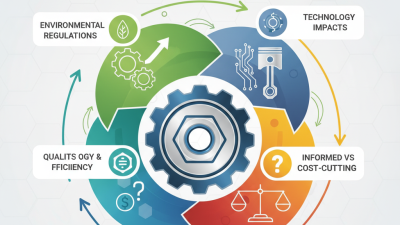
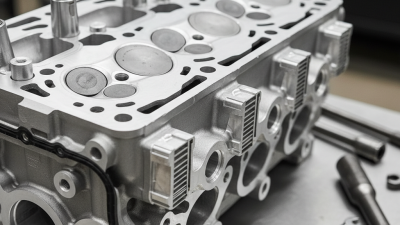
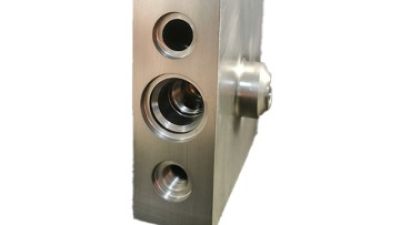
So, as industries keep evolving, you can really see how the demand for advanced hydraulic manifoldsystems is just skyrocketing. I came across a recent report from MarketsandMarkets that estimates the global Hydraulic Manifold market will hit around $3.2 billion by 2026. Crazy, right? This really shows how crucial these components are in boosting machinery performance—whether we’re talking construction, farming, or manufacturing.
Hydraulic manifolds are kinda the unsung heroes when it comes to fluid distribution in Hydraulic Circuits. They make systems more efficient and reliable, which is a big deal. Plus, with automation and smart tech gaining ground, these systems are pushing new limits every day. Big names like Parker Hannifin and Bosch Rexroth are always innovating, but of course, there are some hurdles. For instance, quality can vary, and sometimes products just don’t quite fit with modern setups. It’s a good reminder that not everything out there meets the high standards needed.
For folks buying these things worldwide, staying up-to-date with the latest trends really matters. Knowing about new tech and best practices can make a huge difference. With more players entering the scene, companies gotta focus on quality and fantastic customer support to stay ahead. Getting a good handle on all this can really help you make smarter decisions when it comes to buying hydraulic manifolds and related components.

2026 Overview of Hydraulic Manifold Trends in Global Markets
The hydraulic manifold market is evolving rapidly. By 2026, several trends will shape how global buyers approach these essential components. Sustainability stands out as a key focus. Manufacturers are increasingly adopting eco-friendly materials and practices. This shift not only meets regulatory demands but also attracts a more environmentally conscious market.
Predictive maintenance will gain momentum. Advanced sensors integrated within hydraulic manifolds will monitor performance in real-time. Buyers will benefit from improved uptime and reduced costs. Digital twins technology could assist in simulating manifold behavior before implementation. This strategy allows for enhanced design and troubleshooting.
Customization will drive competition. Buyers are likely to seek tailored solutions that fit specific applications. However, balancing customization with production efficiency remains a challenge. Companies must evaluate the trade-offs carefully. As the market evolves, these trends will necessitate continuous adaptation and learning from industry players.
Key Innovations Driving Hydraulic Manifold Development
The hydraulic manifold industry is experiencing significant innovations. As of 2023, the global market for hydraulic manifolds is projected to grow annually by over 5%. This growth is primarily driven by the increasing demand in sectors like agriculture and construction. Advances in materials and design have enhanced the efficiency and safety of Hydraulic Valve Manifolds. Manufacturers are integrating smart technologies into these components, enabling real-time monitoring and diagnostics.
One interesting trend is the focus on miniaturization. Smaller Hydraulic Valve Manifolds can fit into tighter spaces, offering versatility. Additionally, manufacturers are turning to eco-friendly materials, reflecting a shift towards sustainability in hydraulic systems. According to a recent market analysis, approximately 40% of buyers prefer products with proven environmental benefits. This shift is not just a trend; it signifies a fundamental change in buyer preferences.
A key innovation is the move towards modular designs. Modular hydraulic valve manifolds allow for easy customization and quicker repairs. Users can replace parts without needing to overhaul the entire system. It’s vital to consider the implications of these innovations on long-term costs and reliability. Investing in new technology can be beneficial, but assessments should weigh usability against initial expenses.
2026 Top Hydraulic Manifold Trends for Global Buyers
| Trend | Description | Key Innovations | Expected Impact |
| Smart Manifolds | Integration of IoT for real-time monitoring and control. | Sensors, wireless connectivity, and data analytics. | Enhanced efficiency and predictive maintenance. |
| Compact Designs | Reducing size without sacrificing performance. | Advanced materials and optimized flow paths. | Increased application versatility and space efficiency. |
| Sustainable Solutions | Focus on eco-friendly materials and processes. | Biodegradable components and energy-efficient designs. | Reduced environmental impact and compliance with regulations. |
| Modular Manifolds | Interchangeable components for customizable systems. | Modular designs that allow easy upgrades. | Lower costs and rapid adaptation to new requirements. |
| Enhanced Safety Features | Improved designs to minimize risks and failures. | Built-in safety valves and pressure monitoring. | Increased operational safety and reduced accidents. |
Sustainability and Eco-Friendly Designs in Hydraulic Manifolds
Sustainability in hydraulic manifolds is becoming increasingly important. As global awareness of environmental issues grows, manufacturers are adapting. Eco-friendly designs are a focal point for many buyers.
Hydraulic Manifold Block designs now incorporate recyclable materials. This shift reduces waste and enhances sustainability. Innovative approaches also involve energy-efficient production processes. Yet, challenges remain in sourcing these materials. Not all manufacturers prioritize ecologically friendly options.
Implementing sustainable practices can be overwhelming for smaller companies. It’s essential to start with small steps. Research local suppliers who offer eco-friendly materials. Also, consider how your designs influence the lifecycle of the products. A thoughtful approach can lead to significant long-term benefits. Embracing these changes may take time but yields a positive impact on the environment.
The Role of Automation in Hydraulic Manifold Manufacturing
The manufacturing landscape for hydraulic manifolds has been reshaped by automation. Automation streamlines various processes, from design to production. With advanced software, engineers can create intricate manifold designs efficiently. This precision reduces human error, leading to higher quality products. Additionally, robotic systems assist with assembly tasks, enhancing speed and consistency.
Investing in automation can significantly improve operational efficiency. It helps manufacturers meet growing demands without sacrificing quality. Adopting such technology may initially seem daunting, but the long-term benefits are undeniable. While automation can reduce labor costs, it also raises questions about workforce displacement. Companies must strike a balance between technology and skilled labor.
In this evolving industry, staying informed is crucial. Observing automation trends can guide purchasing decisions. Look for features that incorporate smart technologies. These innovations can offer deeper insights into performance and maintenance needs. Consider how these advancements can enhance your supply chain.
Market Demand vs. Supply Trends for Hydraulic Manifolds
The hydraulic manifold market is evolving rapidly. Demand continues to grow, driven by automation and advanced machinery. According to a recent market report, the hydraulic manifold sector is expected to witness a CAGR of 5.8% from 2023 to 2030. This surge indicates a robust interest in hydraulic systems across various industries, such as construction and manufacturing.
However, supply trends reveal some challenges. While demand is on the rise, manufacturers face shortages of key raw materials. For example, recent studies show that supply chain disruptions have led to delays in production timelines. These delays can impact the availability of the Hydraulic Manifold System, leading to longer lead times for buyers. Despite these challenges, companies are exploring alternative materials and suppliers to ensure steady production.
The complexity of the hydraulic manifold market requires a nuanced understanding. Buyers often struggle to balance their needs with what is available in the market. There’s a pressing need for effective communication between suppliers and buyers. Frequent updates on available stock help buyers make informed decisions. With the right data, buyers can navigate this complex landscape effectively, even amid unpredictable market fluctuations.
Impact of Global Regulations on Hydraulic Manifold Trade
Global regulations significantly shape the hydraulic manifold trade landscape. As countries enforce stricter environmental policies, manufacturers must adapt. Compliance with these regulations can drive innovation. Companies may invest in advanced technologies to reduce emissions and enhance efficiency. Regulatory bodies often set standards for materials and processes. Adapting to these changes can be a challenge for many firms.
Another impact arises from trade agreements. Tariffs and import restrictions vary across regions. These factors influence cost structures and pricing strategies. Businesses navigating these complexities must remain agile. Understanding local regulations is essential for successful market entry. Non-compliance can lead to penalties and loss of market access.
Finally, the focus on sustainability is shifting manufacturing practices. An emphasis on eco-friendly materials is growing. Many firms are seeking certifications to bolster credibility. Yet, the path to sustainability can be fraught with contradictions. Balancing cost-effectiveness with environmental responsibility requires careful planning. The future of hydraulic manifolds lies in navigating these intertwined challenges effectively.
Future Technologies Shaping the Hydraulic Manifold Industry
Innovation in the hydraulic manifold industry is rapidly evolving. Future technologies are driving changes that global buyers must watch closely. According to recent market analysis, the hydraulic manifold market is expected to grow significantly. By 2027, it could exceed USD 2 billion, reflecting a compound annual growth rate of 5.2%.
One trend is the integration of IoT in hydraulic systems. This allows for real-time monitoring and predictive maintenance. Improved data analytics can help optimize performance and reduce downtime. Many manufacturers are investing in smart technologies to enhance efficiency. One study revealed that companies adopting smart Hydraulic Control Manifolds reported a 30% increase in operational efficiency.
Consider this: how well is your hydraulic system performing? Regular assessments can uncover efficiency gaps. Exploring advancements in Hydraulic Control Manifold designs may lead to new opportunities. On the other hand, the transition to these technologies requires careful strategy. Not all companies will adapt quickly. Investing in training and understanding these advancements is crucial for staying competitive.
Optimizing Hydraulic Systems with T3A Hydraulic Counterbalance Valve Block MPM-HCVB3A for Enhanced Performance and Safety
In hydraulic systems, the optimization of performance and safety is paramount, particularly in applications that involve heavy loads such as cranes and lifts. The T3A Hydraulic Counterbalance Valve Block plays an essential role in achieving this goal by integrating counterbalance valves, check valves, and safety valves into a single unit. This innovative design effectively prevents uncontrolled load movement, providing operators with a reliable mechanism that locks loads securely, even in the event of hydraulic line rupture. The result is a significant enhancement in operational safety, reducing the risk of accidents during lifting and lowering tasks.
What sets the T3A Hydraulic Counterbalance Valve Block apart is its pressure-adaptive functionality, which allows the system to dynamically adjust flow and pressure. This capability ensures smooth operation across varying conditions, making it an ideal choice for construction machinery and industrial hydraulic applications. The compact design coupled with a rapid response time of less than 15 milliseconds makes it highly efficient, while its strong resistance to contamination allows for prolonged performance in challenging environments. This combination of features not only contributes to precise load control but also emphasizes the importance of integrating advanced hydraulic components for optimal system reliability and safety.
FAQS
: Demand in agriculture and construction is driving growth. The market is projected to grow by over 5% annually.
Miniaturization helps fit hydraulic valve manifolds into tighter spaces. This offers greater versatility for various applications.
Many are using eco-friendly materials in their designs. This reflects a growing awareness of environmental issues.
Modular designs allow for easy customization and repairs. Users can replace parts without overhauling the entire system.
Around 40% of buyers prefer products with proven environmental benefits. This trend indicates a shift in buyer preferences.
Yes, but it can be challenging. Small steps like using local suppliers can help in adopting eco-friendly options.
Begin by researching eco-friendly materials. Consider the life cycle impact of your designs.
Assessments should weigh usability against initial expenses. Innovations can be beneficial, but they may require careful consideration.
No, not all manufacturers focus on eco-friendly options. Challenges remain in sourcing these materials effectively.
A thoughtful approach can lead to significant benefits. It may take time but can positively impact the environment.
Conclusion
The article titled "2026 Top Hydraulic Manifold Trends for Global Buyers" provides an insightful overview of the evolving landscape of hydraulic manifolds within global markets. It highlights critical innovations that are driving the development of hydraulic manifolds, emphasizing the increasing focus on sustainability and eco-friendly designs. Additionally, the growing role of automation in the manufacturing processes of hydraulic manifolds is explored, which is expected to enhance efficiency and reduce production costs.
Furthermore, the article addresses the balance between market demand and supply trends for hydraulic manifolds, underscoring how global regulations are shaping trade dynamics within the industry. Lastly, it discusses future technologies that are poised to influence the hydraulic manifold sector, indicating a forward-thinking approach that will likely redefine the market in the coming years. This comprehensive overview serves as a valuable resource for global buyers looking to navigate the intricate world of hydraulic manifolds.